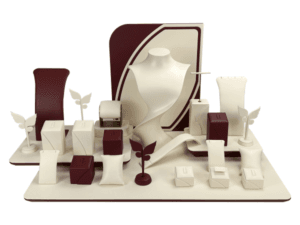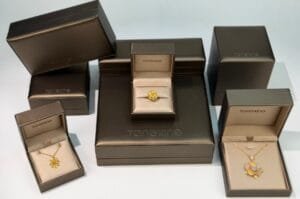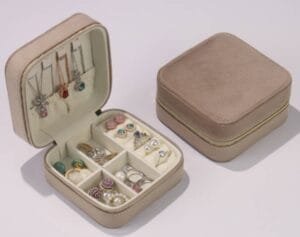
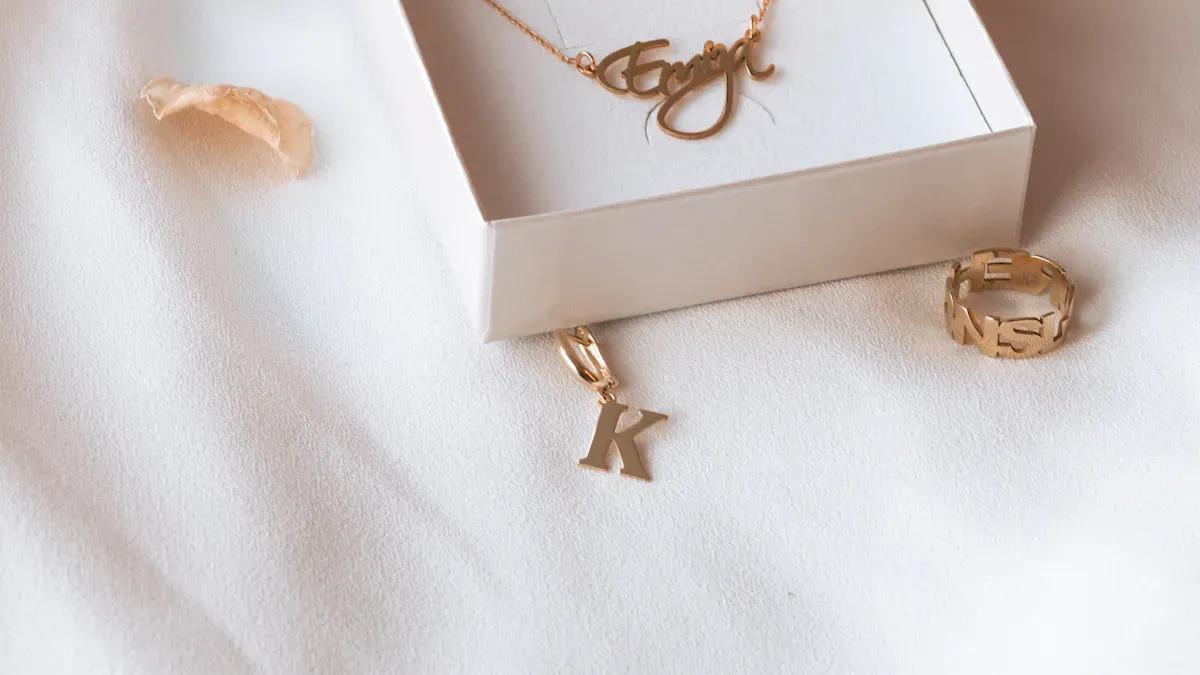
Necklaces often tangle during transit due to unsecured chains and improper jewelry packaging. Many jewelry packaging manufacturer experts recommend using custom jewelry boxes or a Jewelry Pouch for safe transport. He can also utilize a Jewelry Display to keep chains separated. When individuals pack and ship necklaces, they protect each piece from damage. Professionals suggest wrapping each item securely to avoid knots and maintain its condition.
A well-packed necklace arrives untangled and ready to wear.
Why Necklaces Tangle During Shipping
Shipping jewelry presents unique challenges, especially when it comes to keeping necklaces untangled. Understanding the causes and risks of tangling helps ensure each piece arrives in perfect condition.
Common Causes of Tangling
Movement in Transit
Packages experience constant motion during shipping. Vibrations from vehicles and conveyor belts cause jewelry to shift inside its packaging. Sudden drops or impacts can jostle the contents, making chains twist and loop around themselves. Even when packed tightly, compression can sometimes force chains into awkward positions, increasing the risk of tangling if not properly secured.
Tip: Secure each necklace individually to minimize movement and reduce the chance of tangling.
Loose Packing
Loose packing leaves too much space for jewelry to move around. When a necklace slides freely inside a box or pouch, the chain can easily knot or wrap around itself. Proper interior protection, such as foam inserts or padded compartments, keeps items in place and prevents unnecessary shifting.
Multiple Necklaces Together
Packing several necklaces in the same container without separation almost guarantees tangling. Chains intertwine, clasps catch on links, and pendants become entangled. Using dividers or individual pouches for each piece keeps them apart and maintains their original shape.
Risks of Tangling
Damage to Chains and Clasps
Tangled necklaces often suffer from bent or broken links and damaged clasps. Fine chains are especially vulnerable to stress when pulled apart. Strong interior protection, such as soft pouches or jewelry boxes, helps prevent scratches and breakage during transit.
Time-consuming Untangling
Untangling a knotted necklace can take significant time and patience. Customers may feel frustrated if they receive jewelry in a tangled mess. Organized packing with padded inserts or compartmentalized boxes saves time for both sender and recipient.
Customer Dissatisfaction
Customer satisfaction depends on receiving jewelry in pristine condition. Tangled or damaged necklaces lead to disappointment and potential returns. Companies that use the right shipping materials, such as bubble mailers or sturdy boxes, and train staff to handle items gently, build trust and encourage repeat business.
Note: Regularly cleaning and organizing packing stations also helps prevent accidental damage and ensures a professional presentation.
Essential Packing Materials for Packing and Shipping Necklaces
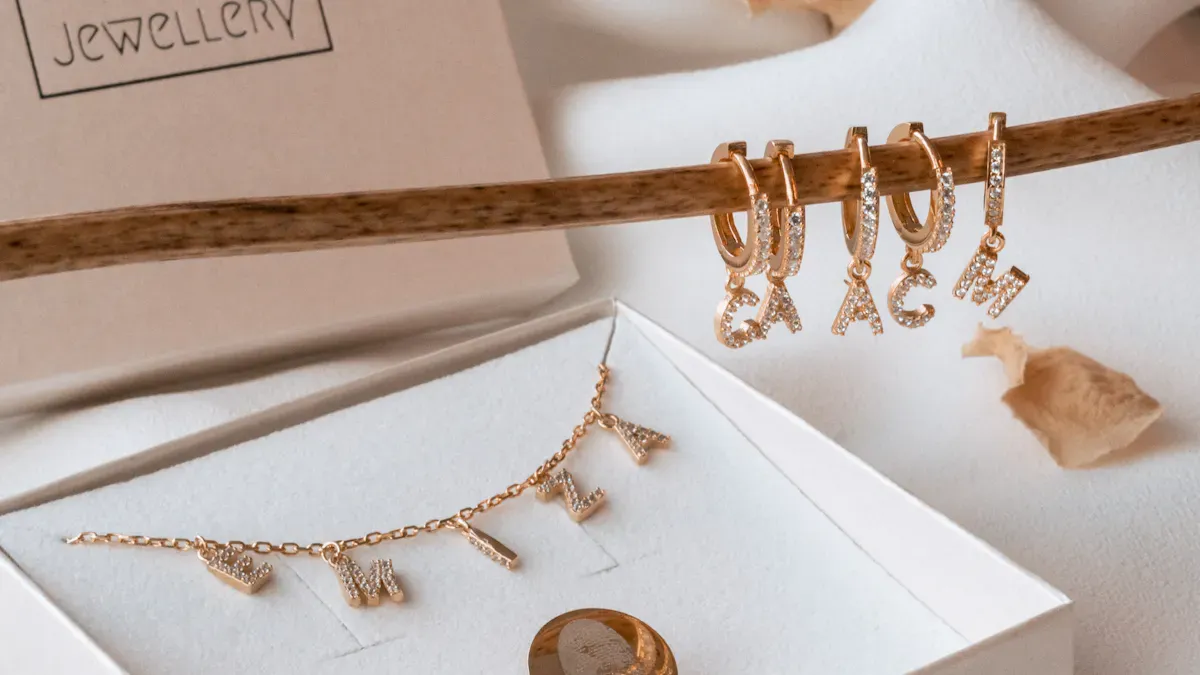
Selecting the right packing materials plays a crucial role in preventing tangling and damage during shipping. Professional jewelers and shipping companies recommend a combination of specialized jewelry boxes, household items, and protective wrapping to keep necklaces secure.
Jewelry Boxes and Inserts
Foam Inserts
Foam inserts provide a soft, cushioned base that holds each necklace in place. Jewelers often use foam with pre-cut slots or hooks to secure chains and prevent movement. This method protects delicate links and clasps from scratches and bending. Foam inserts also absorb shocks during transit, reducing the risk of damage.
Compartmentalized Boxes
Compartmentalized boxes separate each piece, making them ideal for shipping multiple necklaces. These boxes often feature notched boards, tension-based hooks, and suede-lined notches. The table below highlights features and benefits of professional jewelry box inserts:
| Feature | Benefit |
|---|---|
| Notched boards | Keeps chains straight and pendants centered |
| Tension-based hooks | Prevents knotting in fine chains |
| Suede-lined notches | Protects delicate gold from scratches |
| Dual notches | Prevents pendants from sliding |
| Tapered slots | Accommodates different chain gauges |
A travel jewelry box with these features offers both organization and protection, especially for those who need to transport jewelry frequently.
Household Items for Packing Necklaces for Travel
Many household items serve as effective tools for packing necklaces, especially when professional materials are unavailable.
Straws
- Threading each chain through a drinking straw keeps it rigid and prevents knots.
- Choose a straw length that matches or exceeds the necklace’s length for best results.
- The straw trick remains one of the most effective and budget-friendly methods.
Plastic Wrap
- Lay the necklace flat on plastic wrap and fold it over to keep the chain in place.
- This method prevents movement and reduces friction between links.
Zip-top Bags
- Place each necklace in a separate small zip-top bag.
- Clasp the chain, let the main part rest inside, and allow the clasped end to hang out.
- This approach keeps chains separated and untangled.
Pill Boxes
- Use pill boxes to store individual necklaces in separate compartments.
- This method works well for short chains and small pendants.
Napkins or Paper Towels
- Roll the necklace in a napkin or paper towel to cushion and separate it.
- This simple technique provides basic protection during short trips.
Protective Wrapping
Bubble Wrap
Bubble wrap adds a layer of cushioning around jewelry boxes or loose necklaces. It absorbs shocks and prevents external pressure from damaging delicate pieces. For eco-conscious shippers, honeycomb paper wrap offers a plastic-free alternative with similar protective qualities.
Tissue Paper
Acid-free tissue paper protects against scratches and tarnish. Rolling a necklace in tissue paper keeps the chain straight and minimizes contact with other items. This method works well for both shipping and storage.
Tip: Choose eco-friendly materials like recycled cardboard, kraft paper, or biodegradable plastics to reduce environmental impact and enhance brand sustainability.
Securing Tools
Selecting the right securing tools ensures necklaces remain untangled and protected throughout shipping. These tools help keep chains in place, minimize movement, and reduce the risk of damage. Professional packers rely on simple yet effective items to achieve optimal results.
Twist Ties
Twist ties offer a practical solution for securing necklaces. They wrap easily around chains, holding them together without causing pressure or marks. Many jewelers use twist ties to fasten the ends of a necklace after threading it through a straw or tubing. This method prevents the chain from slipping out and keeps it straight during transit. Twist ties also work well for grouping pendants with their chains, ensuring each piece stays organized. Their flexibility allows for quick adjustments, making them suitable for various chain lengths and thicknesses.
Tip: Always use soft, coated twist ties to avoid scratching delicate metals or gemstones.
Rubber Bands
Rubber bands provide another versatile tool for securing jewelry. They can hold a necklace in a coiled position or keep a protective wrap in place. When using rubber bands, packers should avoid overtightening, as excessive pressure may bend or damage fine chains. For best results, wrap the necklace in tissue paper or plastic wrap first, then secure the bundle with a gentle rubber band. This approach minimizes friction and keeps the chain from unraveling. Rubber bands also help keep multiple wrapped necklaces separated inside a jewelry box or travel jewelry roll organizer.
- Advantages of rubber bands:
- Easy to apply and remove
- Inexpensive and widely available
- Suitable for both short and long chains
Cable Organizers
Cable organizers, originally designed for electronics, have become popular for jewelry packing. These organizers feature slots or loops that hold necklaces securely in place. By threading each chain through a separate slot, packers prevent tangling and maintain the original shape of the jewelry. Cable organizers work especially well for shipping multiple necklaces in one package. They also fit neatly inside a jewelry travel organizer, making them ideal for both shipping and travel.
Packers often combine cable organizers with other methods, such as laying necklaces flat in zip-top bags or wrapping them in plastic wrap. This layered approach provides extra protection and reduces movement during transit. Many professionals recommend packing necklaces last and ensuring they remain flat to further minimize the risk of knots.
Note: Using a combination of securing tools and protective wraps offers the highest level of safety for valuable or delicate pieces.
Step-by-Step Guide to Pack and Ship Necklaces
Packing necklaces for shipping requires careful preparation and the right techniques. Following a systematic approach ensures each piece arrives untangled and in excellent condition. This guide outlines the essential steps to pack and ship necklaces efficiently.
Preparing the Necklace
Proper preparation forms the foundation for safe shipping. Each necklace should be clean, dry, and ready for secure packing.
Cleaning and Inspecting
- Clean each necklace thoroughly to remove dirt, oils, or residues. Dirt can scratch metals or gemstones during transit.
- Allow the jewelry to dry completely. Moisture can cause tarnish or damage, especially to silver or plated pieces.
- Inspect the chain and clasp for any signs of weakness or damage. Address repairs before packing to prevent further issues.
- Organize necklaces individually. This step prevents tangling and makes identification easier upon arrival.
Tip: Use a soft, lint-free cloth for cleaning. Avoid harsh chemicals that may harm delicate finishes.
Fastening the Clasp
Fasten the clasp on each necklace before packing. Securing the ends keeps the chain from moving freely and reduces the risk of knots. For necklaces with adjustable lengths, set the clasp at its shortest position to minimize slack.
Using Straws to Prevent Tangling
The straw method remains one of the most effective ways to pack your necklaces for shipping. This technique keeps chains straight and prevents them from knotting.
Threading the Chain Through a Straw
- Select a drinking straw or slim tube that matches or slightly exceeds the length of the necklace.
- Unclasp the necklace and gently thread one end of the chain through the straw until the pendant or center reaches the edge.
- For best results, cut the straw to fit the chain length. A straw longer than the necklace provides extra protection.
Threading a necklace through a straw keeps the chain rigid and separated from other items. This method works especially well for delicate or fine chains, as it prevents bending and breakage.
Securing Both Ends
- After threading, fasten the clasp so the straw sits in the middle, holding the chain taut.
- Use a soft twist tie or a small piece of tape to secure both ends if needed. This step ensures the necklace does not slip out during transit.
- For easy identification, color code the straws or attach a small label with the necklace’s description.
Note: The straw method is ideal when you need to pack and ship necklaces quickly and with minimal materials.
Packing with Plastic Wrap or Zip-top Bags
Plastic wrap and zip-top bags offer simple yet effective solutions for keeping necklaces untangled during shipping.
Laying Out the Necklace Flat
- Place the necklace flat on a sheet of plastic wrap or inside a zip-top bag.
- Arrange the chain in a straight line, avoiding loops or overlaps.
- For added protection, lay the necklace on a soft cloth or tissue paper before wrapping.
Sealing to Prevent Movement
- Fold the plastic wrap over the necklace, pressing gently to hold the chain in place.
- If using a zip-top bag, seal the bag with the clasped end of the necklace near the opening. This arrangement prevents the chain from moving inside the bag.
- Label each bag for easy identification upon arrival.
Tip: Packing each necklace in its own bag or wrap prevents tangling and makes unpacking more efficient.
By following these steps, anyone can pack your necklaces securely and ensure they arrive untangled. These methods provide reliable protection for both everyday and valuable pieces.
Using Jewelry Boxes and Inserts
Jewelry boxes and inserts offer a superior solution for shipping and storing necklaces. These specialized containers provide both protection and an elevated presentation, making them a preferred choice for professionals and enthusiasts alike.
Placing Necklace in Box
To begin, select a jewelry box that fits the necklace’s length and style. Place the necklace flat inside the box, ensuring the chain remains straight and the clasp is fastened. For pieces with pendants, center the pendant in the display area. This arrangement prevents shifting and highlights the jewelry’s design.
A well-chosen jewelry box not only protects but also enhances the perceived value of the necklace.
Securing with Foam or Compartments
Foam inserts and compartmentalized boxes add another layer of security. Custom inserts cradle each necklace, holding it firmly in place. These inserts prevent movement, reducing the risk of tangling or damage during transit. Compartments separate multiple pieces, ensuring each remains untangled and pristine.
| Advantage | Description |
|---|---|
| Enhanced Presentation | Jewelry boxes and inserts improve the visual appeal of the product, making it more attractive. |
| Protection | Inserts secure the jewelry, preventing damage during shipping. |
| Memorable Unboxing Experience | Luxury packaging creates an emotional connection with customers, enhancing brand loyalty. |
Custom inserts ensure a perfect fit for each necklace, keeping it secure throughout the journey. The design of these inserts also elevates the overall aesthetic, creating a memorable unboxing experience. Luxury linings, such as velvet or suede, further enhance the emotional impact for recipients.
Packing Multiple Necklaces
Shipping or storing several necklaces together requires careful planning. Without proper separation, chains can easily tangle, leading to frustration and potential damage.
Separating Each Piece
Always pack each necklace individually. Use soft pouches, foam compartments, or thread each chain through a straw. This approach prevents scratching and knotting. For added protection, wrap each necklace in tissue paper or bubble wrap before placing it in its designated compartment.
| Method | Description |
|---|---|
| Use Straws | Thread each necklace through a straw to prevent tangling and protect delicate chains. |
| Individual Pouches | Place each necklace in its own pouch to avoid tangling and damage, making unpacking easier. |
| Jewelry Organizer | Design a dedicated organizer with compartments to keep necklaces separated and tangle-free. |
| Label Your Boxes | Clearly mark boxes with contents for easy identification during unpacking. |
| Jewelry Roll | Use a roll to keep necklaces organized and secure, making them easy to transport. |
| Soft Padding | Wrap necklaces in soft materials to prevent scratches and tangling during transport. |
| Sturdy Containers | Choose strong boxes to protect jewelry from impact and pressure during the move. |
Professionals recommend using eco-friendly materials, such as paper straws or recycled tissue, to minimize environmental impact.
Labeling for Easy Identification
Clear labeling streamlines the unpacking process. Mark each pouch, compartment, or box with the necklace’s description or style. This practice saves time and reduces the risk of misplacing valuable pieces. Labels also enhance organization, especially when shipping multiple items to a single recipient.
Tip: Use color-coded stickers or tags for quick visual identification.
Packing Necklaces for Travel
Traveling with jewelry presents unique challenges. Proper techniques ensure necklaces arrive untangled and ready to wear, whether for business trips or vacations.
Rolling in Napkins or Paper Towels
One effective method to pack necklaces for travel involves rolling each piece in a soft napkin or paper towel. Lay the necklace flat, fold the napkin over, and gently roll it up. Secure the roll with a rubber band or soft tie. This technique cushions the chain and prevents movement inside luggage.
Travelers can also use a face cloth to separate and roll necklaces, providing extra padding and protection. This method works well for both delicate and bulky pieces.
Using Pill Boxes for Separation
Pill boxes offer a compact and organized solution for packing jewelry for travel. Place each necklace in a separate compartment to keep chains straight and prevent knots. This approach suits short chains and small pendants best. For longer necklaces, consider using straws or a jewelry roll with zippered pockets.
Additional tips for those who pack necklaces for travel include:
- Use a jewelry case with compartments to prevent tangling.
- Wrap necklaces in plastic wrap and place them in zip-top bags for added security.
- Label each compartment or bag for easy identification upon arrival.
These strategies help travelers keep their necklaces organized and protected, making the journey stress-free and ensuring every piece remains in perfect condition.
Securing Necklaces for Shipping
Choosing the Right Shipping Container
Selecting an appropriate shipping container forms the foundation of safe jewelry transport. The container must fit the jewelry’s shape and size to prevent shifting. Materials such as velvet, silk, or custom cardboard enhance both protection and presentation. A well-designed container not only shields the contents but also elevates the unboxing experience.
Padded Envelopes
Padded envelopes offer a lightweight and cost-effective solution for shipping single, well-protected pieces. The inner cushioning absorbs minor impacts and reduces the risk of scratches. For best results, packers should use padded envelopes only when the necklace is already secured in a sturdy box or wrapped with ample padding. This method works well for short-distance shipments or less fragile items.
Small Shipping Boxes
Small shipping boxes provide superior protection for delicate or valuable jewelry. These boxes resist crushing and external pressure during transit. Packers often line the interior with soft padding, such as bubble wrap or foam, to keep the necklace stationary. A snug fit prevents movement and minimizes the risk of tangling or breakage. Many professionals choose boxes with attractive finishes to showcase the jewelry upon arrival.
Tip: Choose a box that fits the necklace closely to avoid unnecessary movement and maximize protection.
Adding Extra Protection
Jewelry experts recommend several additional measures to protect your necklaces during shipping. Each layer of protection reduces the risk of damage from shocks or rough handling.
Bubble Wrap Around Jewelry Box
Wrapping the jewelry box in bubble wrap creates a shock-absorbing barrier. This layer cushions the contents against drops and vibrations. For statement pieces, packers should wrap each decorative element separately before placing the box inside the bubble wrap. This approach prevents scratches and preserves the necklace’s appearance.
Filling Empty Space
Empty space inside the shipping container can lead to unwanted movement. Packers fill gaps with soft materials such as tissue paper, packing peanuts, or air pillows. These fillers stabilize the jewelry box and prevent shifting. For longer or elaborate necklaces, necklace tubes or cardboard inserts hold chains in an extended position, further reducing the risk of tangling.
Preventing Movement Inside the Package
Movement inside the package remains the leading cause of tangling and damage. Industry standards emphasize the importance of immobilizing each piece.
Using Packing Peanuts
Packing peanuts provide lightweight, flexible cushioning. They fill voids around the jewelry box, absorbing shocks and keeping the contents centered. Packers should ensure that the jewelry box does not sink or shift within the peanuts.
Taping Down Loose Items
Taping down loose items, such as jewelry cards or cardboard inserts, adds another layer of security. This technique keeps shorter necklaces straight and prevents them from sliding. For added safety, packers thread delicate chains through straws or wrap them around small pieces of cardboard, then tape the ends down. This method maintains the necklace’s shape and prevents knots.
Note: Soft padding, sturdy containers, and careful immobilization work together to ensure necklaces arrive untangled and in pristine condition.
Troubleshooting Delicate or Tricky Pieces When You Pack and Ship Necklaces
Delicate jewelry often presents unique challenges during shipping. Fine chains, pendants, and multi-strand designs require extra attention to prevent tangling, breakage, or scratches. By using specialized techniques and materials, packers can ensure each piece arrives in pristine condition.
Packing Fine Chains
Fine chains are especially prone to knots and breakage. Proper separation and secure wrapping help maintain their integrity.
Using Straws or Cable Organizers
- Thread each fine chain through a plastic straw cut to size. This isolates the chain and keeps it straight.
- Use cable organizers or a dedicated travel case with individual compartments. Each necklace should rest in its own section to prevent intertwining.
- Place each chain in a separate bag or compartment within a jewelry organizer.
Tip: Isolating each chain reduces friction and eliminates the risk of tangling during transit.
Double Wrapping
- Wrap each fine chain in a layer of plastic wrap or soft tissue paper.
- After the initial wrap, place the chain inside a small zip-top bag or a padded compartment.
- Double wrapping provides both cushioning and immobilization, protecting against shocks and movement.
Securing Pendants and Charms
Pendants and charms can shift during shipping, causing scratches or damage to both the pendant and the chain.
Wrapping Separately
- Detach pendants or charms from the chain if possible.
- Wrap each pendant individually in tissue paper or a soft cloth.
- Secure pendants using jump rings, bails, or charm clips to keep them attached and prevent loss.
Cushioning with Tissue Paper
- Place a layer of acid-free tissue paper around each pendant or charm.
- Use a small compartment or pouch to keep the wrapped pendant separate from the chain.
- For heavier pendants, select a bail that distributes weight evenly and prevents twisting.
Note: Proper attachment methods, such as jump rings or head pins, add security and reduce the risk of pendants detaching during shipping.
Handling Multi-Strand Necklaces
Multi-strand designs require careful handling to prevent the strands from intertwining.
Separating Strands
- Thread each strand through its own straw or use slits in a business card to anchor clasps and pendants separately.
- Insert pads or professional necklace bags hold each strand in place, preventing movement.
- For short chains, anchor the ends using a business card with slits.
Using Multiple Compartments
- Place each strand in a separate compartment within a hard-shell case or paper box.
- Eco-friendly paper boxes protect against external pressure and keep the strands compact.
- Professional necklace bags display each strand elegantly while preventing tangles.
| Method | Benefit |
|---|---|
| Insert Pads | Securely anchor strands and prevent movement |
| Paper Boxes | Offer eco-friendly protection and structure |
| Necklace Bags | Display and separate strands effectively |
Callout: Multi-strand pieces benefit from structured inserts and compartmentalized storage, ensuring each strand remains untangled and protected.
By following these troubleshooting strategies, packers can confidently ship even the most delicate or complex jewelry designs.
Quick Tips and Checklist for Packing and Shipping Necklaces
Shipping jewelry requires attention to detail and adherence to best practices. Professionals rely on proven methods to ensure each piece arrives safely and untangled. The following quick tips and checklist help streamline the packing process and minimize common mistakes.
Dos and Don’ts
Do Secure Clasps
- Close the clasp on every necklace before packing. This prevents chains from catching or twisting into knots during transit.
- Pack each necklace individually in a bag, pouch, or compartment. Individual packing keeps chains straight and reduces the risk of tangling.
- Use padding such as tissue paper or foam inserts to cushion delicate surfaces and absorb shocks.
- Choose nondescript packaging to avoid drawing attention to valuable contents.
- Double-box items with padding for extra protection and to conceal the inner contents.
- Deliver the package directly to the postal service and request a signature upon delivery for added security.
- Insure every shipment to protect against loss or damage.
Don’t Pack Necklaces Together
- Avoid tossing multiple necklaces into one pouch or box. This practice almost always results in knots and tangles.
- Never mix heavy items with delicate chains. Heavier pieces can crush or damage lighter ones.
- Do not leave clasps open, as open clasps can catch on links and create knots.
- Refrain from using loose or oversized packaging that allows movement inside the box.
- Do not reveal the contents on the outer label to reduce theft risk.
Tip: Keeping each necklace separated and cushioned is the most effective way to prevent tangling and damage.
Checklist Before Shipping
Inspect for Damage
- Examine each necklace for broken links, weak clasps, or missing stones.
- Clean and dry every piece to remove oils or residues that could cause tarnish or scratches.
- Confirm that all clasps are securely fastened.
Confirm Secure Packing
- Select the right box size to prevent movement.
- Use anti-tarnish and scratch-resistant wraps for added protection.
- Separate and cushion each necklace individually.
- Add padding at the bottom of the box for shock absorption.
- Place the necklace in a small inner box or pouch for organization.
- Double-box for valuable items and fill all empty space to prevent shifting.
- Seal the box with high-quality tape.
Choose Proper Shipping Method
- Label the package discreetly, avoiding any mention of jewelry.
- Include a packing slip or care instructions for the recipient.
- Use first-class registered mail for the safest delivery.
- Always insure the shipment and request a signature upon delivery.
Note: Following this checklist ensures that every shipment of necklaces arrives safely, untangled, and ready to delight the recipient.
Packing experts recommend several proven strategies to pack and ship necklaces without tangling. They suggest threading chains through drinking straws or toilet paper rolls, placing each piece in its own pouch, and adding foam inserts or bubble wrap for security. Customized packaging reduces product movement and damage, which lowers return rates and improves customer satisfaction.
Final Checklist:
- Thread chains through straws or rolls
- Use individual bags or pouches
- Add padding to prevent movement
These methods help anyone pack and ship necklaces safely and ensure a positive unboxing experience.
FAQ
How can someone prevent necklaces from tangling during shipping?
Individuals should secure each necklace separately using straws, zip-top bags, or foam inserts. They must fasten the clasp and use padding to limit movement. Proper separation and immobilization remain the most effective strategies.
What is the best material for wrapping delicate chains?
Acid-free tissue paper offers gentle protection for delicate chains. It prevents scratches and tarnish. Many professionals also use soft foam inserts or bubble wrap for extra cushioning.
Can someone ship multiple necklaces in one package?
Yes, but each necklace must stay separated. Use individual pouches, compartments, or straws for each piece. Label each section for easy identification. This method prevents tangling and damage.
Are household items effective for packing necklaces?
Household items like straws, pill boxes, and plastic wrap work well for short trips or budget-friendly solutions. They keep chains straight and separated. For valuable pieces, professional jewelry boxes provide better protection.
Should someone insure their jewelry shipment?
Insurance protects against loss or damage during transit. Most experts recommend insuring valuable or sentimental jewelry. Requesting a signature upon delivery adds another layer of security.
What should someone do if a necklace arrives tangled?
Gently lay the necklace on a flat surface. Use a pin or needle to loosen knots. Apply a small amount of baby oil if needed. Patience and gentle handling prevent further damage.
How does someone choose the right shipping box size?
Select a box that fits the jewelry closely. Avoid oversized boxes, as extra space allows movement. Fill gaps with tissue paper or packing peanuts to immobilize the contents.