
Reducing carbon footprint in the jewelry supply chain has become essential as the environment faces increasing pressure from industrial activities. Global jewelry operations generate 53 tonnes of carbon emissions, with 90% linked to transportation. Sustainable practices offer immediate benefits:
- Lab-created gems cost 30-40% less than natural diamonds.
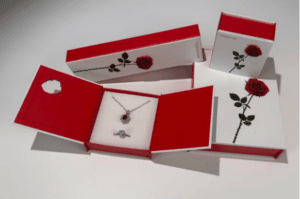
- Brands experience cost savings and improved reputation when they use eco-friendly jewelry packaging, custom jewelry boxes, and Jewelry Display solutions.
- Ethical sourcing and partnerships with a responsible jewelry packaging manufacturer support fair wages and safe conditions.
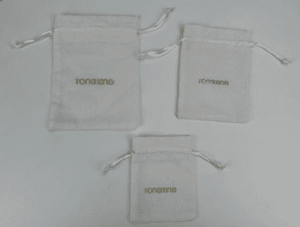
- Jewelry Pouch alternatives made from sustainable materials appeal to the 70% of millennials who value environmental responsibility.
| Aspect | Before Reduction | After Reduction | Impact |
|---|---|---|---|
| Consumer Perception | Neutral or Negative | Positive | Attracts environmentally conscious consumers, enhances brand reputation |
| Environmental Impact | High | Low | Reduces carbon footprint, conserves resources, avoids penalties |
Brands like Tiffany & Co. lead by example, pledging net-zero emissions and adopting certified facilities. These efforts build trust and ensure compliance with evolving regulations.
Understanding the Carbon Footprint of Jewelry
Defining Carbon Footprint in the Jewelry Industry
The carbon footprint of jewelry refers to the total amount of greenhouse gas emissions produced throughout the lifecycle of a jewelry piece. This includes every stage, from mining raw materials to the final sale and disposal. The jewelry industry generates a significant carbon footprint, mainly due to energy-intensive mining and production processes. These activities account for 95% of the total carbon emissions linked to jewelry. Mining operations often require heavy machinery and large amounts of fuel, which leads to high energy consumption and substantial greenhouse gas emissions. For example, mining in the Peruvian Amazon Rainforest produces carbon emissions equal to those from 250,000 cars each year. This highlights the severe environmental impact of the jewelry sector.
Note: The carbon footprint of jewelry is not limited to visible pollution. It also includes invisible greenhouse gas emissions that contribute to climate change.
Main Sources of Emissions in Jewelry Supply Chains
The main sources of carbon emissions in the jewelry supply chain can be grouped into four key areas:
Mining and Material Extraction
Mining stands as the largest source of greenhouse gas emissions in the jewelry industry. Diamond mining alone produces carbon emissions comparable to the annual output of 1.5 million cars. Gold extraction also contributes heavily, as it involves toxic chemicals and releases significant amounts of greenhouse gases. The extraction process uses extensive machinery, which increases the carbon footprint of jewelry.
Manufacturing and Processing
Manufacturing processes such as melting, molding, and polishing jewelry require large amounts of energy. These steps generate high levels of greenhouse gas emissions. The carbon footprint of jewelry increases further when factories rely on fossil fuels for power. Most emissions in this stage come from the energy needed to transform raw materials into finished pieces.
Packaging and Distribution
Packaging and distribution add another layer of carbon emissions. Shipping jewelry from mines to factories and then to retail stores involves long-distance transportation. This process relies on trucks, ships, and planes, all of which emit greenhouse gases. Packaging materials, especially those made from plastics or non-recyclable substances, also contribute to the overall carbon footprint.
Retail and End-of-Life
Retail operations and the end-of-life phase of jewelry generate smaller amounts of greenhouse gas emissions compared to mining and manufacturing. However, these stages still matter. Energy use in stores, display lighting, and the disposal of unsold or broken jewelry all add to the carbon footprint of jewelry. Only about 5% of total emissions come from these later stages, but they remain important for brands aiming to reduce their environmental impact.
Assessing and Measuring Your Jewelry Supply Chain’s Carbon Footprint
Mapping the Jewelry Supply Chain
Mapping the jewelry supply chain forms the foundation for understanding where carbon emissions and greenhouse gas emissions originate. Companies must examine each stage, from raw material extraction to product delivery. This process involves collecting detailed data about energy use, transportation, and business operations.
Carbon accounting involves meticulous data collection, including:
- The amount of electricity used in various office areas.
- The distance traveled by team members to the office, including transport modes and fuel types.
- The transportation of raw materials from their sources to the office, detailing vehicle types and fuel used.
- Energy consumption in mining, refining, and smelting processes.
- Annual business travel and website hosting. This comprehensive approach helps identify emission sources effectively.
By mapping these activities, companies can visualize the flow of materials and energy. This step highlights the most emission-intensive processes and pinpoints where improvements can reduce the carbon footprint.
Tools and Methods for Measuring Emissions
Jewelry brands use several tools and methodologies to measure carbon emissions. The ecological footprint approach stands out as a practical method. This approach calculates carbon emissions by converting monetary expenditures on materials, goods, and services into equivalent CO2 emissions. Companies rely on conversion tables and accounting data to estimate emissions across the entire production chain. This includes raw material extraction, manufacturing, packaging, waste treatment, and shipping. The method also covers emissions from infrastructure, utilities, and services. By using this approach, jewelry manufacturers gain a comprehensive view of their carbon footprint and can track progress over time.
Identifying High-Impact Emission Areas
Identifying high-impact emission areas allows companies to focus their reduction efforts where they matter most. Industry data shows that mining and production processes, especially in the diamond sector, generate the majority of carbon emissions and greenhouse gas emissions. Most emissions in the jewelry industry come from supply chain activities, known as Scope 3 emissions. For example, a case study on Mejuri found that about 97% of its greenhouse gas emissions stem from its supply chain. Traditional diamond mining also poses significant environmental risks, producing large amounts of greenhouse gas emissions and waste. By targeting these high-impact areas, jewelry brands can make meaningful progress in reducing their overall carbon footprint.
Sustainable Sourcing for Reducing Carbon Footprint
Choosing Recycled and Responsibly Mined Materials
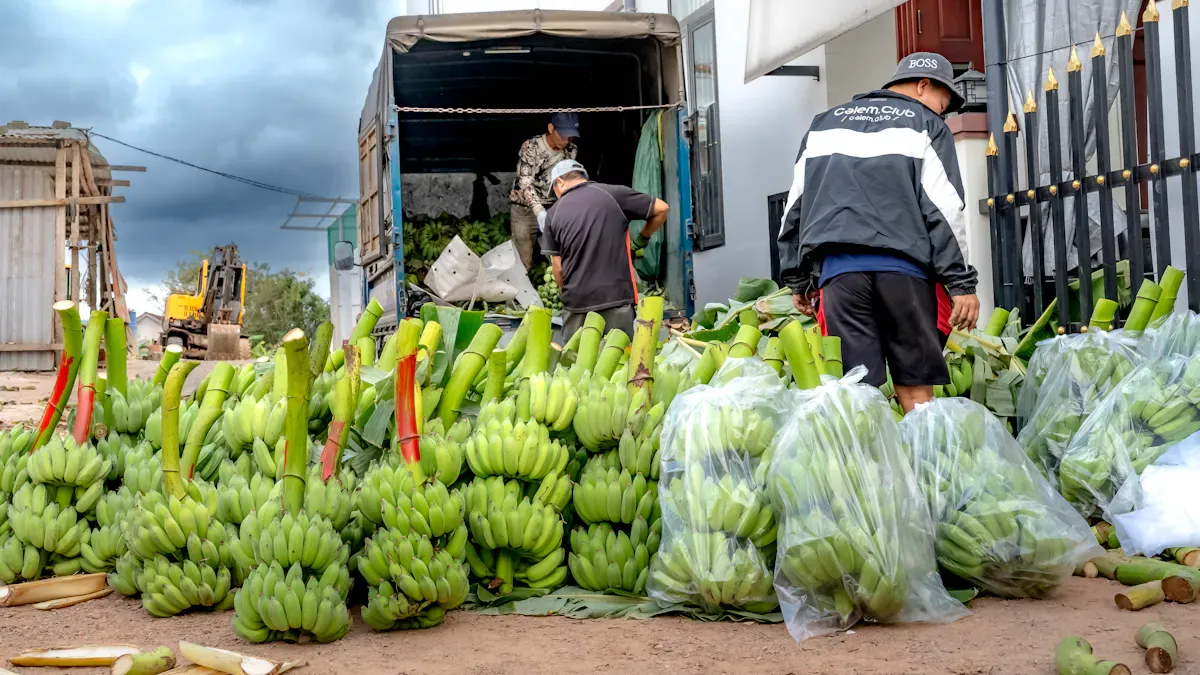
Jewelry brands adopt a sustainable approach by prioritizing recycled materials and responsibly mined sources. This strategy reduces carbon emissions and supports the environment. Recycled gold now constitutes about one-third of the global supply. Jewelry, gold bars, and coins represent nearly 90% of post-consumer recycled gold. Companies that use recycled metals and gemstones lower their greenhouse gas emissions and promote sustainability.
Advantages of Recycled Metals and Gemstones
Recycled metals and gemstones offer significant reductions in carbon emissions compared to newly mined materials. The following table illustrates the impact:
| Material Type | CO2 Emissions (grams) | Reduction (%) |
|---|---|---|
| Mined Gold | 36,410 | N/A |
| Recycled Gold | 53 | 99.8 |
| Mined Platinum | N/A | N/A |
| Recycled Platinum | N/A | 95 |
| Mined Silver | N/A | N/A |
| Recycled Silver | N/A | 86 |
Brands that choose recycled gold reduce carbon emissions by 99.8%. Recycled platinum and silver also deliver substantial reductions in greenhouse gas emissions. This sustainable supply chain practice helps conserve resources and minimizes environmental impact.
Sourcing from Certified Sustainable Mines
Certified sustainable mines ensure responsible extraction of materials. Jewelry companies evaluate mines based on strict criteria, including fair wages, safe working conditions, and environmental protection. The table below summarizes key certifications and their criteria:
| Certification Name | Key Criteria |
|---|---|
| Fairtrade Gold Certification | Ensures fair wages, safe working conditions, no child labor, environmental protection, community development. |
| Fairmined Certification | Focuses on small-scale mining, fair pay, minimal chemical use, and community empowerment. |
| The Kimberley Process | Aims to prevent blood diamonds, but has loopholes regarding labor practices and environmental damage. |
| Responsible Jewelry Council (RJC) | Covers labor rights and safety, but has self-regulation concerns. |
| Institute for Responsible Mining Assurance (IRMA) | Provides third-party certification with a focus on progressive improvement. |
| SCS Global Services | Certifies use of recycled materials and verifies environmental claims. |
| Canada Mark | Ensures traceability of diamonds from Canadian mines with strict regulations. |
Companies that source materials from certified mines strengthen their sustainable supply chain and reduce carbon emissions. Certification also supports sustainability and builds consumer trust.
Building Partnerships with Sustainable Suppliers
Building partnerships with sustainable suppliers forms the backbone of a sustainable jewelry design. Brands maintain supply chain transparency to ensure ethical sourcing and eco-friendly manufacturing. They use eco-friendly materials and disposal methods, establishing ethical business policies that detail sourcing and manufacturing standards. Companies prioritize ethical sourcing and eco-friendly production methods, collaborating with manufacturers who adhere to fair labor practices. Certifications such as Fairtrade, Responsible Jewelry Council, and Fairmined confirm sustainable practices.
Tip: Brands that ensure transparency in their supply chain build trust with consumers and demonstrate commitment to sustainability.
Verifying Supplier Sustainability and Certifications
Verifying supplier sustainability and certifications requires a systematic approach. Companies implement an Anti-Money Laundering (AML) program and conduct annual checks. They request written assurances from suppliers regarding sourcing practices. The following table outlines key aspects of supplier verification:
| Aspect | Description |
|---|---|
| General Business Requirements | Specific to the jewelry industry |
| Responsible Supply Chains | Ensures ethical sourcing practices |
| Human and Labor Rights | Addresses working conditions and rights |
| Health, Safety and Environment | Focuses on environmental performance |
| Products Covered | Gold, diamonds, colored gemstones, silver, platinum group metals |
| Responsible Mining | Promotes ethical mining practices |
Sustainability in jewelry considers social, environmental, and economic impacts. Responsible sourcing ensures materials are sourced legally and ethically. Certification by recognized organizations such as RJC reinforces commitment to responsible practices. Companies that verify supplier sustainability reduce carbon emissions and greenhouse gas emissions throughout their supply chain.
Greener Manufacturing to Lower the Carbon Footprint of Jewelry

Energy-Efficient and Renewable Manufacturing Processes
Jewelry manufacturers play a critical role in reducing carbon emissions by adopting energy-efficient and renewable manufacturing processes. Companies such as ACPL Exports have shifted toward using recycled silver, which minimizes emissions associated with traditional mining. They focus on optimizing the most polluting production steps, including melting and casting, to lower their environmental footprint. Many brands now invest in high-efficiency furnaces and solar panel installations to further reduce energy consumption.
| Process Type | Energy Savings | Environmental Impact |
|---|---|---|
| Recycled Silver | 80% less energy than mining | Eliminates toxic tailings and heavy metal contamination |
| Recycled Platinum | 95% reduction in carbon emissions | Equivalent to mined platinum, sourced from various waste |
| High-Efficiency Furnaces | 30-50% less energy than resistance furnaces | Reduces overall energy consumption in production stages |
| Solar Panel Installations | Offsets grid electricity consumption | Sustainable energy source for manufacturing facilities |
Transitioning to Renewable Energy Sources
Transitioning to renewable energy sources marks a significant step toward sustainability in jewelry manufacturing. Astartelux Jewelry partners have begun operating solar-powered facilities, which dramatically lower emissions from energy-intensive processes. This shift away from fossil fuels helps mitigate the environmental pollution caused by traditional manufacturing. MHART Designs also demonstrates commitment to sustainability by investing in renewable energy and energy-efficient equipment. These actions are essential for minimizing greenhouse gas emissions and supporting a sustainable jewelry industry.
Note: The jewelry industry can greatly reduce its carbon footprint by replacing fossil fuel-based energy with solar or other renewable sources.
Implementing Energy-Saving Equipment and Practices
Manufacturers achieve further reductions in carbon emissions by implementing energy-saving equipment and best practices. High-efficiency furnaces consume 30-50% less energy than traditional resistance furnaces. Companies also use recycled silver and platinum from industrial and automotive sources, which require less energy to process. Solar energy powers many modern manufacturing facilities, offsetting grid electricity and supporting sustainability goals.
- Recycled silver from high-volume production
- Recycled platinum from automotive and industrial sources
- Use of solar energy in manufacturing processes
These strategies not only lower energy use but also reduce the overall carbon footprint of jewelry production.
Reducing Waste and Water Usage in Production
Reducing waste and water usage remains a cornerstone of sustainable jewelry manufacturing. Companies adopt several effective strategies to minimize their environmental impact:
- Consume less and waste less during production.
- Reuse recycled products whenever possible.
- Choose recyclable or biodegradable materials for tools and packaging.
- Recycle all eligible materials after use.
Manufacturers also focus on water conservation. They turn off water when not in use and wash jewelry pieces in basins instead of under running water. Calculating the carbon footprint of each process helps identify areas for further improvement. The circular economy model encourages reusing, repairing, and recycling materials, which significantly reduces waste and supports sustainability.
Designing for Circularity and Recyclability
Designing jewelry for circularity and recyclability offers a powerful way to lower carbon emissions and support sustainability. Brands use recycled gold, silver, and platinum to reduce the need for new mining, which remains a major source of carbon emissions. Fairmined and Fairtrade gold support ethical sourcing and cleaner supply chains. The jewelry industry’s carbon footprint is heavily influenced by mining, which produces as much CO2 as 1.5 million cars each year. By choosing recycled metals and lab-grown gems, manufacturers can greatly reduce the environmental impact associated with material extraction.
Sustainable jewelry design focuses on low environmental impact through recycled materials and earth-friendly processes. Green manufacturing practices, such as energy-efficient equipment and renewable energy, further lower greenhouse gas emissions. These efforts ensure that jewelry remains beautiful while supporting a healthier planet.
Sustainable Logistics and Transportation in the Jewelry Supply Chain
Optimizing Transportation for Lower Emissions
Transportation remains a significant contributor to the carbon footprint in jewelry supply chains. Companies can lower emissions by rethinking how they move products from mines to markets.
Consolidating Shipments and Grouped Deliveries
Brands reduce transport emissions by consolidating shipments and grouping deliveries. Batch shipping allows companies to send multiple orders together, which minimizes the number of trips required. This practice not only cuts fuel consumption but also streamlines logistics operations. Regional warehousing supports this approach by storing products closer to end customers, shortening delivery distances and reducing emissions.
Tip: Digital receipts and communication further decrease environmental impact by cutting paper waste.
Selecting Low-Emission and Clean Power Vehicles
Selecting low-emission vehicles plays a crucial role in sustainable logistics. Companies now invest in clean power vehicles, such as electric vans and hybrid trucks, for local deliveries. Some brands offer carbon-neutral delivery options by purchasing carbon credits to offset unavoidable emissions. These strategies demonstrate a commitment to sustainability and align with consumer expectations for responsible business practices.
Localizing Supply Chains to Reduce Carbon Footprint
Localizing supply chains offers a direct path to lower transportation emissions. When brands source materials and manufacture jewelry closer to their markets, they reduce the need for long-distance shipping. Lab-grown diamonds exemplify this shift. These stones require less extensive mining, which lowers environmental costs. Localized production also enables quicker market response, further shrinking the carbon footprint.
- Lab-grown diamonds reduce mining and related emissions.
- Shorter supply chains minimize transportation needs.
- Local production supports faster delivery and lower overall emissions.
Eco-Friendly and Recyclable Packaging Solutions
Packaging choices impact both brand image and environmental performance. Jewelry companies now adopt eco-friendly and recyclable packaging to support sustainability goals.
- Plant-based and compostable materials, such as cornstarch and bamboo pulp, break down naturally and reduce landfill waste.
- Fabric pouches made from organic cotton or hemp protect jewelry and can be reused, enhancing brand visibility.
- Seed paper packaging allows customers to plant the packaging after use, creating a memorable unboxing experience.
- Minimalist, no-waste designs use fewer materials while maintaining a modern look.
- FSC-certified paper ensures responsible sourcing from managed forests.
- Upcycled and repurposed materials, like reclaimed wood or denim, give new life to waste.
- Eco-friendly adhesives and non-toxic inks support a cleaner supply chain.
Jewelry brands also use recycled paper, corrugated cardboard, and biodegradable plastics for packaging. These materials contribute to a circular economy and break down faster than traditional plastics. Organic fabrics, though more costly, offer a reusable and natural option for premium packaging.
Note: Sustainable packaging not only reduces carbon emissions but also appeals to environmentally conscious consumers.
Industry Standards and Certifications for Sustainable Jewelry
Industry standards and certifications set the foundation for sustainable practices in the jewelry sector. These benchmarks help businesses reduce their environmental impact and build trust with consumers. Adopting recognized certifications demonstrates a commitment to responsible jewelry production and supply chain transparency.
Key Certifications for Reducing Carbon Footprint
Responsible Jewellery Council (RJC)
The Responsible Jewellery Council (RJC) stands as a leading global standard for responsible jewelry. This certification requires companies to follow strict guidelines on human rights, labor practices, and environmental management. By 2026, all RJC members must verify their greenhouse gas emissions through third-party audits. The RJC framework covers the entire supply chain, ensuring that every stage meets ethical and environmental standards.
Fairmined and Fairtrade Gold
Fairmined and Fairtrade Gold certifications focus on ethical sourcing and environmental protection. These programs support small-scale miners by guaranteeing fair wages and safe working conditions. They also require low-impact extraction methods and strict oversight to minimize harm to ecosystems. Jewelry brands that use Fairmined or Fairtrade Gold show a strong commitment to responsible jewelry and sustainable sourcing.
CarbonNeutral Certification
The CarbonNeutral Certification recognizes companies that measure, reduce, and offset their carbon emissions. This standard requires businesses to track their environmental impact and invest in projects that remove or prevent greenhouse gases. Jewelry brands with this certification demonstrate leadership in climate action and responsible jewelry manufacturing.
Other Notable Certifications
| Certification | Description |
|---|---|
| SCS-007 | A comprehensive sustainability standard for diamonds, ensuring minimal environmental impact and ethical practices throughout the supply chain. |
| RJC Certificate | A global standard for ethical jewelry requiring human rights due diligence and verification of greenhouse gas emissions, applicable to all members by 2026. |
SCS-007 focuses on sustainability in diamond production, holding companies accountable for net-zero impacts.
Implementing and Maintaining Sustainability Certifications
Jewelry businesses must take several steps to implement and maintain sustainability certifications:
- Compare current practices against frameworks like the Responsible Jewellery Council.
- Obtain certifications from recognized organizations to enhance credibility.
- Maintain accurate records and prepare regular reports for compliance.
Companies use recycled gold, silver, and platinum to minimize new mining. They implement low-impact extraction techniques with environmental oversight. Many brands reduce waste by recycling metal scraps and using water filtration systems. Solar power and handcrafted techniques help lower energy consumption.
Maintaining accurate records and preparing regular reports is essential for demonstrating compliance. Businesses should document all activities related to environmental management, ethical sourcing, and labor practices, ensuring these records are available for inspection by regulatory authorities.
Sustainability certifications help jewelry brands align with global standards and consumer expectations. Responsible jewelry practices not only reduce carbon footprint but also enhance brand reputation and market value.
Real-World Examples of Reducing Carbon Footprint in Jewelry
Case Studies of Sustainable Jewelry Brands
Many jewelry brands have adopted innovative strategies to reduce their carbon footprint. These companies set industry benchmarks by rethinking packaging, sourcing, and production methods. The following table highlights two notable brands and their environmental achievements:
| Brand | Innovation/Practice | Environmental Impact |
|---|---|---|
| MUJI | No logo approach, modular packaging | 93% in-store packaging recycling rate |
| Sony | Original Blended Material, water-based adhesives | 60% reduction in packaging carbon footprint |
MUJI has implemented a no-logo philosophy and modular packaging system. This approach simplifies recycling and encourages customers to participate in sustainability efforts. The brand has achieved a 93% recycling rate for in-store packaging. Sony has developed an Original Blended Material for its packaging and uses water-based adhesives. These changes have resulted in a 60% reduction in the carbon footprint associated with packaging. Both brands demonstrate that thoughtful design and material choices can lead to significant environmental benefits.
Brands that prioritize sustainable packaging and modular design not only reduce waste but also inspire industry-wide change.
Collaborative Industry Initiatives and Partnerships
Industry-wide collaboration plays a crucial role in advancing sustainable practices. Several initiatives unite brands, suppliers, and technology leaders to address environmental challenges in the jewelry supply chain.
- The Watch and Jewellery Initiative 2030, launched by Cartier and Kering with the Responsible Jewellery Council, brings together brands to achieve sustainable development goals. This initiative focuses on building climate resilience, preserving resources, and fostering inclusiveness. Members commit to collective action, sharing best practices and resources to accelerate progress.
- The TrustChain Initiative, created by IBM and a consortium of jewelry industry leaders, leverages blockchain technology to enhance supply chain transparency. This platform tracks the provenance of diamonds and precious metals, ensuring ethical sourcing and building consumer trust. Digital verification and third-party oversight provide additional assurance for buyers.
These partnerships show that collaboration can drive meaningful change. By sharing knowledge and resources, industry leaders set new standards for sustainability. They also empower consumers to make informed choices about the jewelry they purchase.
Note: Collective action and transparent supply chains help the jewelry industry move closer to a low-carbon future.
Overcoming Challenges in Sustainable Jewelry Supply Chains
Managing Costs and Maximizing ROI
Sustainable transformation in the jewelry supply chain often raises concerns about costs. Many businesses worry that eco-friendly materials, certifications, and new technologies will increase expenses. However, companies that invest in sustainability frequently see significant returns. They use sustainability data to outperform competitors and attract new customers. Legal scrutiny on supply chains and product impacts continues to rise. This trend makes sustainability not just a moral choice but a business necessity. The real question for jewelry brands is not whether sustainability delivers a return, but how to capture that value most effectively. Brands that lead in sustainability often gain market share, avoid regulatory penalties, and build stronger reputations. These advantages translate into long-term financial gains.
Tip: Tracking sustainability metrics helps companies identify cost-saving opportunities and measure the impact of their investments.
Addressing Supplier Resistance to Sustainable Practices
Suppliers sometimes resist adopting sustainable practices due to perceived costs, lack of knowledge, or limited resources. Jewelry brands can overcome this resistance by using several proven strategies:
- Industry Collaboration and Standards: Companies can join industry-wide collaborations to create clear guidelines for ethical sourcing and production.
- Investment in Technology: Brands can implement technologies like blockchain to improve transparency and traceability.
- Consumer Education and Advocacy: Educating consumers about ethical jewelry increases market demand for responsible products.
- Government Regulations and Incentives: Regulations and incentives encourage suppliers to adopt sustainable practices.
- Supplier Engagement and Capacity Building: Brands can engage directly with suppliers, offering training and support to help them transition.
These strategies foster a culture of shared responsibility. When brands and suppliers work together, they create a more resilient and ethical supply chain.
Ensuring Transparency and Traceability
Transparency and traceability remain essential for ethical jewelry supply chains. They ensure that materials are sourced responsibly, avoiding conflict origins and forced labor. Consumers can make informed, socially responsible choices when they trust the supply chain.
- Blockchain, IoT sensors, and AI monitoring provide real-time visibility into sourcing and production.
- GPS and geofencing confirm that materials come from licensed operations.
- Environmental sensors supply data on mining practices, supporting compliance claims.
- Worker welfare systems allow anonymous reporting of labor conditions.
- Chain of custody tracking maintains the identity of materials through each processing stage.
- Batch traceability links finished jewelry back to its origins, enabling quick responses to any issues.
Public blockchains allow all stakeholders to access and verify supply chain information. This openness builds trust and minimizes the risk of tampering. The persistent nature of recorded data ensures a reliable traceability record. As a result, brands can demonstrate their commitment to ethical sourcing, and consumers can trust that their purchases support responsible practices.
Action Plan for Reducing Carbon Footprint in Your Jewelry Supply Chain
Setting Measurable Sustainability Goals
Jewelry companies achieve meaningful progress by setting clear, measurable goals for reducing carbon footprint. They start by ensuring transparency in measuring and disclosing sustainability performance. This approach builds trust with stakeholders and supports effective business practices. Companies collect precise data throughout the entire value chain. They track energy use, emissions, and resource consumption at each stage. Collaboration among brands, manufacturers, and suppliers helps develop reporting solutions based on international best practices.
- Define specific targets for reducing carbon footprint, such as lowering emissions by a set percentage each year.
- Disclose sustainability performance publicly to demonstrate accountability.
- Use detailed data to identify areas for improvement and track progress.
- Work with partners to align goals and share best practices.
Transparency and collaboration create a strong foundation for sustainability in the jewelry supply chain.
Engaging Teams and Stakeholders in Sustainable Practices
Teams and stakeholders play a vital role in reducing carbon footprint. Companies like Ana Luisa show that becoming Climate Neutral Certified provides a clear strategy for lowering greenhouse gas emissions. Their commitment to transparency and accountability encourages collaboration and sparks innovation. As members of the Responsible Jewellery Council, they respect human rights and ensure transparency in the supply chain.
- Enable stakeholders to voice concerns and participate in decision-making.
- Foster engagement and accountability by sharing sustainability goals and progress.
- Encourage open communication to build a culture of responsibility.
This approach motivates teams to support sustainable initiatives and strengthens relationships across the supply chain. When everyone understands the importance of reducing carbon footprint, they contribute to a healthier environment and a more resilient business.
Monitoring Progress and Reporting on Carbon Footprint Reduction
Monitoring progress is essential for achieving sustainability goals. Jewelry companies adopt robust sourcing policies that require suppliers to provide evidence of chain of custody and human rights due diligence. They ensure traceability and transparency in sourcing materials. Compliance with international standards, such as the UN Guiding Principles on Business and Human Rights and the OECD Minerals Guidance, supports responsible practices.
The use of technology, including blockchain and laser marking, enhances traceability and verifies the origin of materials. Regular reporting keeps stakeholders informed and demonstrates ongoing commitment to reducing carbon footprint.
| Monitoring Method | Benefit |
|---|---|
| Traceability Systems | Verifies responsible sourcing |
| Supplier Audits | Ensures compliance and transparency |
| Technology Integration | Improves data accuracy and trust |
| Public Reporting | Builds stakeholder confidence |
Consistent monitoring and transparent reporting drive continuous improvement in sustainability performance.
Jewelry brands can reduce their carbon footprint by choosing recycled materials, optimizing logistics, and verifying supplier certifications. Sustainable practices protect the environment and strengthen business reputation. Companies that lead in sustainability gain customer trust and meet regulatory demands.
Now is the time for industry leaders to adopt eco-friendly solutions. Every step toward sustainability creates lasting value for both the business and the planet. 🌱
FAQ
What is the main source of carbon emissions in jewelry supply chains?
Mining and material extraction create the highest emissions. Heavy machinery and energy use in mining gold, diamonds, and other metals drive most of the carbon footprint.
How can jewelry brands verify supplier sustainability claims?
Brands request certifications like RJC, Fairmined, or SCS-007. They also conduct audits and require written assurances from suppliers. These steps ensure ethical sourcing and environmental responsibility.
Are recycled metals as durable as newly mined metals?
Yes. Recycled metals match the durability and quality of newly mined metals. They undergo the same refining processes, making them suitable for fine jewelry.
What packaging options help reduce carbon footprint?
Jewelry brands use:
- Recycled paper or cardboard boxes
- Plant-based or compostable materials
- Fabric pouches from organic cotton
Eco-friendly packaging reduces waste and appeals to conscious consumers.
Does sustainable jewelry cost more?
Sustainable jewelry sometimes costs more due to ethical sourcing and certifications. Over time, brands often see cost savings from efficient processes and increased customer loyalty.
How does localizing supply chains lower emissions?
Localizing supply chains shortens transportation distances. This reduces fuel use and greenhouse gas emissions. Brands also gain faster delivery times and better supply chain control.
What role do certifications play in sustainability?
| Certification | Focus Area |
|---|---|
| RJC | Ethical supply chains |
| Fairmined | Responsible mining |
| SCS-007 | Sustainable diamonds |
Certifications set standards and verify compliance. They build trust with consumers and partners.
Can small jewelry businesses reduce their carbon footprint?
Small businesses can start by choosing recycled materials, minimizing packaging, and partnering with local suppliers. Simple changes make a measurable impact.