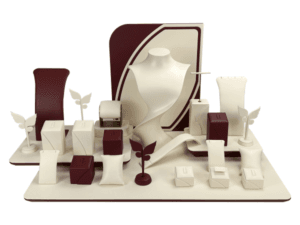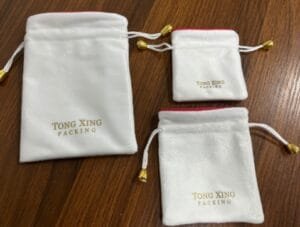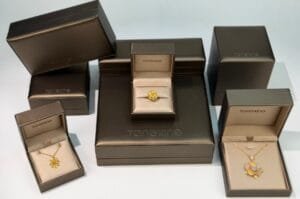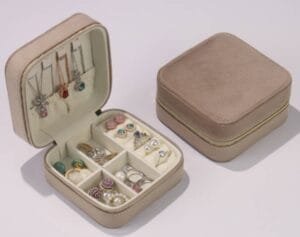

Biodegradable Jewelry Packaging breaks down naturally, while recyclable packaging allows materials to be reused in new products. This distinction impacts sustainable jewelry choices because biodegradable options support zero-waste goals and recyclable materials promote a circular economy. Jewelry designers and jewelry packaging manufacturers increasingly prioritize these approaches in eco-friendly custom jewelry boxes, Jewelry Display, and Jewelry Pouch selections. Choosing the right packaging helps jewelry brands align with sustainable values and empowers consumers to make responsible decisions.
Biodegradable Jewelry Packaging Explained

What Is Biodegradable Packaging?
Biodegradable packaging refers to materials that break down naturally in the environment. These materials decompose through the action of microorganisms, moisture, and air. In the jewelry industry, biodegradable jewelry packaging offers an eco-friendly alternative to traditional packaging. The table below outlines common definitions and examples used by packaging professionals:
| Term | Definition | Examples |
|---|---|---|
| Biodegradable | Materials that can naturally break down in the environment over time. | Paper, cardboard, certain bioplastics, cotton, hemp |
Biodegradable packaging supports sustainability by reducing waste and minimizing environmental impact. Jewelry brands often select biodegradable jewelry packaging to align with green values and meet consumer demand for responsible products.
How Biodegradable Packaging Works
Biodegradable packaging relies on natural processes to break down. Microorganisms such as bacteria and fungi consume the material, converting it into water, carbon dioxide, and organic matter. This process occurs in composting facilities or sometimes in home composting environments. Compostable packaging, a subset of biodegradable packaging, requires specific conditions to decompose efficiently. Jewelry brands use biodegradable packaging to ensure their products leave minimal residue in landfills.
The breakdown rate depends on the material and the environment. Commercial composting facilities accelerate decomposition by controlling temperature and humidity. Home composting may take longer, but it still allows biodegradable materials to return to nature without harmful residues.
Tip: Jewelry businesses should verify whether their biodegradable packaging meets composting standards for both commercial and home environments.
Common Materials in Biodegradable Jewelry Packaging
Manufacturers use a variety of materials for biodegradable jewelry packaging. These materials provide protection for jewelry items while ensuring environmental responsibility. The table below highlights decomposition rates for popular materials:
| Material | Decomposition Rate (Commercial Composting) | Decomposition Rate (Home Composting) |
|---|---|---|
| Mushroom packaging | 90 days | 180 days |
| Seaweed packaging | N/A | N/A |
| Plant-based plastics | N/A | N/A |
- Mushroom packaging, made from mycelium, offers both biodegradable and recyclable properties. It protects jewelry from damage and decomposes quickly in composting environments.
- Seaweed and cornstarch serve as bases for innovative packaging products. These materials break down naturally and support eco-friendly practices.
- Cotton and hemp provide traditional options for jewelry pouches and boxes. They decompose efficiently and meet industry standards for biodegradable packaging.
Biodegradable jewelry packaging continues to evolve as brands seek new materials and technologies. The focus remains on reducing environmental impact and offering sustainable solutions for jewelry presentation and protection.
Benefits of Biodegradable Packaging
Biodegradable packaging offers several advantages for jewelry brands seeking sustainable solutions. Companies that adopt biodegradable jewelry packaging demonstrate a commitment to environmental responsibility. This packaging type reduces pollution and supports positive brand perception among eco-conscious consumers.
| Packaging Type | Environmental Impact | Brand Perception |
|---|---|---|
| Traditional Plastic Packaging | High pollution, non-biodegradable | Negative, seen as environmentally irresponsible |
| Biodegradable Packaging | Lower pollution, biodegradable | Positive, seen as eco-friendly |
Biodegradable materials break down naturally, which minimizes waste accumulation in landfills. Many jewelry brands select biodegradable packaging to align with green initiatives and meet rising consumer expectations. Compostable packaging, a subset of biodegradable options, decomposes efficiently under the right conditions and returns valuable nutrients to the soil.
Jewelry businesses benefit from using biodegradable packaging in several ways:
- Lower environmental impact compared to traditional plastics.
- Enhanced brand reputation as consumers associate biodegradable products with sustainability.
- Compliance with regulations and certifications for eco-friendly packaging.
- Support for zero-waste goals and circular economy principles.
Note: Brands that use biodegradable packaging often attract customers who value environmental stewardship. This approach can differentiate a jewelry business in a competitive market.
Biodegradable packaging also encourages responsible disposal practices. Consumers can compost or recycle certain materials, reducing the burden on municipal waste systems. The adoption of biodegradable jewelry packaging reflects industry trends toward greener operations and ethical sourcing.
Drawbacks of Biodegradable Packaging
Despite its benefits, biodegradable packaging presents several challenges for jewelry brands. Materials such as PLA and PHA degrade quickly when exposed to moisture or heat. This susceptibility requires storage in cool, dry environments with controlled temperature and humidity. Transportation and storage become complicated, especially in regions with unstable weather conditions.
Manufacturers must monitor the degradation timeline of biodegradable materials. Packaging that breaks down rapidly may not suit products requiring extended shelf life. Jewelry brands need to ensure that packaging remains effective until the product reaches the consumer.
Other drawbacks include:
- Limited durability compared to traditional packaging materials.
- Higher costs for sourcing and manufacturing biodegradable options.
- Restricted availability of composting facilities in some areas.
- Potential confusion among consumers regarding proper disposal methods.
Tip: Brands should educate customers about the correct disposal of biodegradable packaging to maximize environmental benefits.
Biodegradable jewelry packaging continues to evolve, but brands must balance sustainability with practical concerns. The choice of materials and storage conditions plays a crucial role in maintaining product quality and minimizing waste.
Recyclable Packaging for Sustainable Jewelry
What Is Recyclable Packaging?
Recyclable packaging refers to materials designed for recovery and reuse through established recycling systems. These materials can enter a recycling process after use, where facilities transform them into new products. In the context of sustainable jewelry, recyclable packaging supports environmental goals by reducing waste and conserving resources. Jewelry brands often choose recyclable packaging to align with eco-friendly values and meet consumer expectations for responsible practices.
Recyclable packaging stands apart from biodegradable options. While biodegradable materials break down naturally, recyclable packaging relies on collection and processing infrastructure. This approach helps create a circular economy, where recyclable materials remain in use and out of landfills.
How Recyclable Packaging Works
The recycling process for jewelry packaging involves several steps that maximize resource efficiency. First, consumers separate recyclable packaging from other waste streams. Collection centers gather these materials and send them to recycling facilities. There, workers sort, clean, and process the packaging into raw materials for new products.
Jewelry brands can enhance recycling rates by adopting clear, mono-material designs. These designs avoid mixing materials that complicate sorting and processing. Many companies also promote reuse by encouraging customers to repurpose fabric pouches or rigid boxes. Some brands use QR codes or care tags to provide recycling instructions, making it easier for consumers to dispose of packaging responsibly.
| Process | Description |
|---|---|
| Promote Reuse | Encourages repurposing of packaging materials like fabric pouches and rigid boxes. |
| Educate with QR Codes or Care Tags | Provides disposal instructions and recycling guidelines to consumers. |
| Offer Take-Back or Reuse Incentives | Implements programs for customers to return packaging for recycling or receive rewards. |
| Recyclability | Focuses on clear, mono-material solutions that are easily recyclable. |
| Mono-material construction | Simplifies recycling by avoiding contamination of materials. |
| Waste reduction | Achieved through minimalist designs and right-sizing of packaging. |
- Scrap materials that cannot be reused are sold to certified recycling partners.
- Pearls can be ground into powder for repurposing.
- Metals are redirected to sectors like electronics or construction, ensuring minimal waste.
Tip: Jewelry brands should educate customers about proper disposal to improve recycling outcomes and support sustainable practices.
Common Materials in Recyclable Jewelry Packaging
Jewelry brands use a variety of recyclable materials to create packaging that balances protection and sustainability. The most common options include recycled paper, cardboard, and certain plastics. These materials offer high recycling rates and fit well within existing waste management systems.
| Material Type | Description | Recycling Rate |
|---|---|---|
| Polybags | Typically virgin LDPE, not curbside recyclable, often only used once. | Not recyclable |
| Recycled Plastic Polybag | Made from 100% recycled content, certified by the Global Recycling Standard. | Curbside recyclable |
| Home Compostable Polybag | Certified for home composting, made from D42 Film. | Compostable |
| Ocea™ Bag | Curbside recyclable polybags made from FSC-Certified paper. | Curbside recyclable |
| Recycled Paper Eurototes | Made from FSC-certified recycled paper, 100% recyclable. | Curbside recyclable |
| Recycled Retail Boxes | Made from recycled and FSC-certified content, fully recyclable. | Fully recyclable |
| Recycled Paper Tubes | Made from 100% recycled paperboard, fully paper construction. | Fully recyclable |
Recycled materials such as paper eurototes and retail boxes provide sturdy, attractive packaging for jewelry. These options support sustainable jewelry initiatives and help brands reduce their environmental footprint. By choosing recyclable packaging, companies contribute to a more sustainable future and demonstrate leadership in responsible sourcing.
Benefits of Recyclable Packaging
Recyclable packaging offers significant advantages for brands and consumers who value environmental responsibility. Companies that use recyclable materials help conserve natural resources and reduce landfill waste. The recycling process transforms used packaging into new products, which supports a circular economy and minimizes the need for virgin materials.
Many businesses choose recyclable packaging because it aligns with sustainable jewelry initiatives. This approach demonstrates a commitment to sustainability and appeals to eco-conscious customers. Recycled materials, such as paper and cardboard, often require less energy to produce than new materials. This energy savings reduces greenhouse gas emissions and supports global climate goals.
Key benefits of recyclable packaging include:
- Conservation of resources through repeated use of materials.
- Reduction of landfill waste and pollution.
- Lower energy consumption during the recycling process.
- Enhanced brand reputation among environmentally aware consumers.
- Support for sustainable jewelry practices and ethical sourcing.
Note: Brands that use recyclable packaging often display recycling symbols and clear instructions. This guidance helps consumers participate in recycling programs and ensures proper disposal.
A table below summarizes the main benefits:
| Benefit | Description |
|---|---|
| Resource Conservation | Uses recycled materials, reducing demand for new resources |
| Waste Reduction | Keeps packaging out of landfills |
| Energy Efficiency | Saves energy during production and recycling |
| Positive Brand Image | Attracts eco-conscious customers |
| Supports Circular Economy | Encourages reuse and recycling of materials |
Recyclable packaging also provides flexibility in design. Companies can create attractive, protective packaging that meets both functional and environmental needs. This versatility makes recyclable options popular in the sustainable jewelry sector.
Drawbacks of Recyclable Packaging
Despite its many advantages, recyclable packaging presents several challenges. Not all recyclable materials are accepted by local recycling programs. Some communities lack the infrastructure needed to process certain types of packaging, which can lead to confusion and improper disposal.
The recycling process itself can be complex. Contamination from food residue, adhesives, or mixed materials can prevent successful recycling. Consumers may struggle to identify which items are truly recyclable, especially when packaging combines different materials.
Common drawbacks include:
- Limited recycling infrastructure in some regions.
- Risk of contamination that reduces recycling rates.
- Higher costs for sourcing high-quality recycled materials.
- Potential for downcycling, where recycled products lose quality over time.
- Consumer confusion about proper recycling practices.
Tip: Brands should educate customers about the recycling process and provide clear disposal instructions to maximize the benefits of recyclable packaging.
Some recyclable packaging options may not offer the same durability or protection as traditional materials. Companies must balance sustainability with product safety and presentation. In addition, the supply of recycled materials can fluctuate, affecting availability and cost.
Recyclable packaging remains a vital part of sustainable business practices. However, brands and consumers must work together to address these challenges and ensure that recycling efforts achieve their intended environmental impact.
Biodegradable vs Recyclable: Key Differences
Breakdown Process and End-of-Life
Biodegradable jewelry packaging and recyclable packaging follow distinct breakdown processes at the end of their lifecycle. Biodegradable materials break down through natural mechanisms involving microorganisms. These organisms convert the packaging into water, carbon dioxide, and organic matter. This process occurs in composting facilities or sometimes in home composting environments. Biodegradable packaging decomposes quickly and naturally, reducing long-term environmental impact.
Recyclable packaging relies on established recycling systems. Facilities collect, sort, and process recyclable materials to create new products. This approach extends the lifecycle of materials and reduces the need for virgin resources. Recyclable packaging does not break down naturally; instead, it requires human intervention and infrastructure to ensure proper processing.
- Biodegradable packaging decomposes naturally without harming the environment.
- Recyclable packaging is made from reusable materials, reducing landfill waste.
Typical end-of-life scenarios differ for each type:
- Biodegradable packaging can be composted, benefiting the soil.
- Recyclable packaging can be processed and reused, reducing waste.
- Both types of packaging aim to minimize environmental impact after disposal.
Using fully recyclable materials ensures they can be processed again. Biodegradable materials break down naturally, reducing landfill contributions. Combining materials can complicate recycling processes and may hinder proper disposal.
Environmental Impact Comparison
The environmental impact of biodegradable jewelry packaging and recyclable packaging depends on their breakdown process and material composition. Recyclable packaging reduces the need for new raw materials, lowering carbon emissions associated with production. Recycling decreases energy consumption and carbon emissions compared to manufacturing new materials.
Biodegradable materials decompose naturally, which can lead to a lower carbon footprint over time compared to traditional plastics. Composting biodegradable packaging returns nutrients to the soil and supports zero-waste goals. Both approaches contribute to sustainability, but each has unique advantages.
- Recyclable packaging reduces the need for new raw materials, lowering carbon emissions.
- Biodegradable materials decompose naturally, resulting in a lower carbon footprint.
- Using recycled materials in packaging significantly decreases energy consumption and carbon emissions.
Note: Brands that use recycled or biodegradable packaging demonstrate a commitment to reducing environmental impact and supporting sustainable practices.
Material Types and Appearance
Material selection influences both the functionality and appearance of jewelry packaging. Biodegradable jewelry packaging often uses cornstarch, sugarcane bagasse, and plant fiber paper. These materials break down quickly and offer visually appealing, sustainable options. Compostable packaging, such as bags and wraps, is appreciated by customers for its eco-friendliness and aesthetic value.
Organic fabrics like hemp and linen provide a soft and protective environment for jewelry. Natural fibers add a unique tactile experience that enhances the unboxing process. Mushroom packaging is lightweight and biodegradable, offering a unique and elegant appearance. It can be molded into custom shapes, enhancing brand identity while being eco-friendly.
Recyclable packaging includes cardboard, recycled plastics, and tissue paper. Recyclable jewelry boxes and tissue paper enhance the luxurious feel while being environmentally responsible. Reusable fabric pouches promote sustainability and eliminate the need for additional wrapping.
- Biodegradable materials like cornstarch and sugarcane bagasse break down quickly and are visually appealing.
- Compostable packaging is valued for its eco-friendliness and aesthetic appeal.
- Organic fabrics and natural fibers provide a soft, protective, and unique tactile experience.
- Mushroom packaging offers lightweight, custom shapes and elegance.
- Recyclable cardboard and recycled plastics are common in eco-friendly packaging.
- Recyclable jewelry boxes and tissue paper enhance luxury and sustainability.
- Reusable fabric pouches support sustainable practices and reduce waste.
Tip: Brands should select materials that align with their sustainability goals and enhance the customer experience.
Disposal and Infrastructure Needs
Disposal requirements for jewelry packaging depend on the material type. Biodegradable packaging and recyclable packaging follow distinct paths after use. Brands and consumers must understand these differences to ensure proper disposal and maximize environmental benefits.
- Biodegradable packaging should not be mixed with regular waste. Individuals must identify the material composition and follow recommended disposal methods.
- Industrial composting facilities handle most biodegradable packaging. Municipal services often provide access to these facilities, but availability varies by location.
- Home composting offers an alternative for certain biodegradable materials. Users must monitor temperature, moisture, and aeration to achieve effective decomposition.
- Biodegradable packaging decomposes naturally, but requires specific conditions for optimal breakdown. Some materials need industrial composting, while others suit home compost units.
- Recyclable packaging enters local recycling systems. Facilities collect, sort, and process these materials to create new products. Mixing recyclable and biodegradable materials can compromise recycling integrity.
- Recyclable packaging relies on established infrastructure. Most communities offer curbside collection for paper, cardboard, and select plastics. Proper sorting ensures successful recycling.
Brands should educate customers about disposal methods. Clear instructions help consumers avoid contamination and support sustainable practices.
Infrastructure needs differ for each packaging type. Biodegradable packaging depends on composting facilities or home compost units. Recyclable packaging requires robust recycling systems, including collection, sorting, and processing centers. Access to these services influences the effectiveness of sustainable packaging initiatives.
Cost and Market Availability
Cost and market availability play a crucial role in packaging selection for jewelry brands. Companies must balance sustainability goals with budget constraints and supply chain considerations.
- Paper jewelry boxes cost between $1.00 and $3.00 per unit. Price varies based on material quality and custom features.
- Kraft paper and recycled cardboard are popular choices. These materials offer durability and eco-friendly benefits, but prices fluctuate depending on market demand.
- Biodegradable plastics and plant-based alternatives, such as PLA mailers, provide sustainable options. Costs depend on production scale and material sourcing.
- Recyclable packaging options include recycled paper eurototes, retail boxes, and polybags. Market availability remains high due to established recycling systems and widespread demand.
- Biodegradable packaging options continue to expand. Brands can choose from mushroom packaging, seaweed-based wraps, and organic fabrics. Availability depends on supplier networks and regional infrastructure.
| Packaging Type | Typical Cost (per unit) | Market Availability |
|---|---|---|
| Paper Jewelry Boxes | $1.00 – $3.00 | Widely available |
| Kraft Paper/Cardboard | Varies | Common |
| Biodegradable Plastics | Varies | Growing, region-dependent |
| Recyclable Polybags | Varies | High |
| Mushroom Packaging | Varies | Emerging, limited regions |
Brands must evaluate cost, supply chain reliability, and infrastructure when selecting packaging. Recyclable packaging offers broad market access and competitive pricing. Biodegradable packaging provides innovative solutions, but may require higher investment and specialized disposal facilities.
Companies that prioritize sustainability often invest in packaging that aligns with their values. Market trends show increasing demand for both recyclable and biodegradable options.
Biodegradable vs Recyclable Packaging: Comparison Table
Quick Reference Table
Jewelry brands and consumers often struggle to choose between biodegradable and recyclable packaging. A clear comparison helps them make informed decisions. The table below summarizes the essential differences between these two sustainable packaging options.
| Feature | Biodegradable Packaging | Recyclable Packaging |
|---|---|---|
| Breakdown Process | Decomposes naturally by microorganisms | Requires collection and processing |
| End-of-Life | Turns into water, CO₂, and organic matter | Transforms into new products |
| Disposal Method | Composting (industrial or home) | Recycling facilities or curbside collection |
| Infrastructure Needs | Composting facilities or home compost units | Established recycling systems |
| Common Materials | Plant fibers, mushroom, seaweed, bioplastics | Cardboard, recycled paper, certain plastics |
| Environmental Impact | Reduces landfill waste, enriches soil | Conserves resources, lowers emissions |
| Durability | Often less durable, sensitive to moisture | Usually more durable, protects jewelry well |
| Cost | Higher, varies by material and region | Competitive, widely available |
| Consumer Education | Requires guidance on composting | Needs clear recycling instructions |
| Market Availability | Emerging, region-dependent | Broad, established globally |
Note: Brands must consider local infrastructure and customer preferences when selecting packaging. Proper disposal ensures maximum environmental benefit.
Key Takeaways
- Biodegradable packaging suits brands with zero-waste goals. It works best in regions with composting facilities.
- Recyclable packaging fits businesses seeking broad market access and established disposal systems.
- Both options support sustainability, but each requires specific disposal methods and consumer education.
Checklist for Jewelry Brands:
- Assess local composting and recycling infrastructure.
- Evaluate material durability and product protection.
- Review cost and supply chain reliability.
- Educate customers on proper disposal.
Jewelry businesses can use this comparison table to align packaging choices with brand values and operational needs. Consumers benefit from understanding these differences, which empowers them to select jewelry with eco-friendly packaging.
🌱 Sustainable packaging choices drive positive change in the jewelry industry. Brands and buyers both play a role in reducing environmental impact.
Choosing Between Biodegradable and Recyclable Packaging for Your Jewelry Business
Factors for Jewelry Brands to Consider
Brand Values and Customer Expectations
Jewelry brands often prioritize their core values when selecting packaging. Many companies seek to align their packaging choices with sustainability goals. Consumers increasingly expect brands to demonstrate environmental responsibility. Brands that use eco-friendly materials can enhance their reputation and attract customers who value ethical practices. Modern buyers show willingness to pay more for products that reflect sustainable jewelry principles. This shift in consumer behavior encourages brands to invest in packaging that supports both environmental impact and luxury appeal.
Packaging Performance and Protection
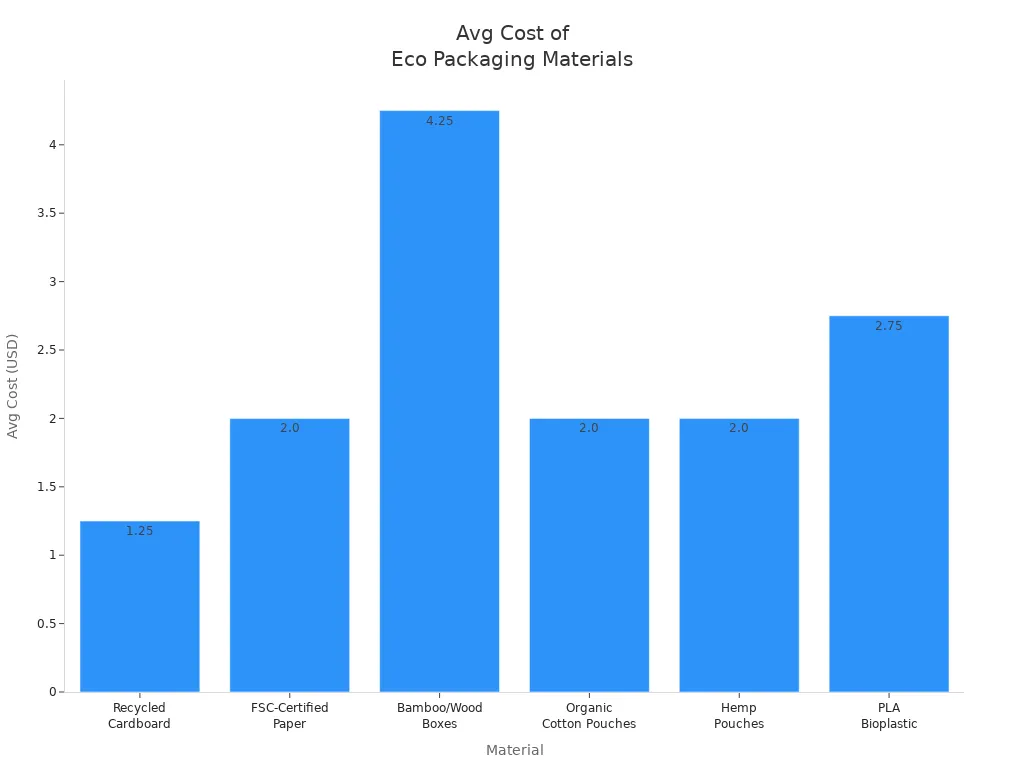
Packaging must protect jewelry during transit and display. Brands evaluate durability, moisture resistance, and tactile experience. Recycled cardboard provides sturdy protection and can be enhanced with premium finishes. FSC-certified paper offers reliable protection and premium textures. Bamboo and wood boxes deliver superior durability and a natural luxury feel. Organic cotton and hemp pouches create a soft, tactile experience but often require pairing with rigid boxes for optimal protection. PLA bioplastic offers flexibility and moisture resistance, though it may lack the premium feel of traditional materials.
| Material | Environmental Impact | Luxury Appeal | Durability | Cost (per unit) |
|---|---|---|---|---|
| Recycled Cardboard | High | Moderate | Good | $0.50-$2.00 |
| FSC-Certified Paper | High | High | Good | $1.00-$3.00 |
| Bamboo/Wood Boxes | High | High | Excellent | $2.50-$6.00 |
| Organic Cotton Pouches | High | High | Good | $1.00-$3.00 |
| Hemp Pouches | High | High | Good | $1.00-$3.00 |
| PLA Bioplastic | High | Moderate | Good | $1.50-$4.00 |
Cost and Supply Chain Factors
Brands face challenges in balancing sustainability with cost. Eco-friendly packaging often incurs higher expenses compared to traditional options. Innovative design and mass production techniques can help mitigate these costs. Companies must consider supply chain reliability and regional availability of materials. The adoption of sustainable packaging reduces environmental degradation, as millions of containers are discarded annually. By choosing biodegradable jewelry packaging or recyclable materials, brands can significantly lower their carbon footprint and support global sustainability efforts.
Note: Brands that invest in sustainable packaging often gain a competitive advantage by appealing to environmentally conscious consumers.
Real-World Examples in Sustainable Jewelry
- Valley Rose Studio uses recycled post-consumer paper and compostable materials for all packaging, including paper packing tape, tissue paper, and card inserts.
- Mycelium, derived from mushrooms, can be shaped into custom biodegradable packaging, offering lightweight and protective solutions.
- Corrugated cardboard remains highly sustainable, customizable to reduce waste, and easily recyclable.
Jewelry brands that adopt these practices demonstrate leadership in sustainable jewelry. They show commitment to environmental stewardship and meet rising consumer expectations for eco-friendly packaging.
How Consumers Can Choose Sustainable Jewelry Packaging
What to Look for When Buying Jewelry
Consumers who value sustainable jewelry often examine packaging before making a purchase. They look for clear labeling and certifications that verify eco-friendly claims. Many brands display recognized certifications on their packaging, which helps buyers confirm whether the materials are biodegradable or recyclable. These certifications provide assurance that the packaging meets industry standards and reduces environmental impact.
| Certification | Description |
|---|---|
| BPI (Biodegradable Products Institute) | Indicates that a package or product has undergone independent testing and verification for compostability. |
| Seedling | Proves that a product is certified industrially compostable according to European standards. |
| USDA Certified Biobased Product | Promotes the use of biobased products verified by the U.S. Department of Agriculture. |
| SCS Certified | Certification from a leading organization specializing in various consumer products, including jewelry packaging. |
Buyers also check for recycling symbols and instructions. Packaging with clear recycling guidelines supports responsible disposal and encourages participation in local recycling programs. Many brands include QR codes or care tags that provide information about proper disposal. These features help consumers make informed decisions and contribute to a healthier environment.
Tip: Consumers should prioritize jewelry brands that offer transparent information about packaging materials and disposal methods.
Responsible Disposal of Packaging
Responsible disposal plays a crucial role in minimizing environmental impact. Consumers can follow several recommended practices to ensure their packaging does not harm the environment. Many brands promote reuse by encouraging customers to repurpose fabric pouches as travel cases for jewelry. This approach extends the life of packaging and reduces waste.
- Promote Reuse: Repurpose packaging, such as fabric pouches, for storing or transporting jewelry.
- Educate with QR Codes or Care Tags: Use QR codes or care tags to access disposal instructions and recycling guidelines.
- Offer Take-Back or Reuse Incentives: Participate in programs that allow customers to return packaging for recycling or receive rewards for reusing items.
Consumers should separate recyclable packaging from regular waste and follow local recycling guidelines. Compostable packaging requires proper composting facilities or home compost units. Individuals must check whether their community supports composting or recycling for specific materials.
Brands that educate customers about disposal methods help reduce contamination and improve recycling rates. Clear instructions empower buyers to make eco-friendly choices and support sustainable jewelry practices.
🌱 Choosing packaging with verified certifications and following responsible disposal methods protects the environment and supports a circular economy.
Actionable Guidelines for Selecting Eco-Friendly Jewelry Packaging
Questions to Ask Packaging Suppliers
Jewelry brands seeking sustainable solutions must engage suppliers with targeted questions. This approach ensures transparency and aligns packaging choices with environmental goals. Suppliers should provide clear information about their certifications, material sources, and available eco-friendly options. The following table highlights essential questions and their importance:
| Question to Ask | Importance |
|---|---|
| What sustainable certifications do you hold? | Ensures credibility and proof of eco-friendliness. |
| Can you provide details on the materials used? | Helps assess the environmental impact of packaging. |
| What options do you offer for compostable or recyclable materials? | Supports the goal of reducing waste and promoting sustainability. |
Brands should also evaluate suppliers using specific criteria. The table below outlines key factors for assessing a supplier’s commitment to sustainability:
| Criteria | Description |
|---|---|
| Recyclability | Over 60% of jewelry brands require recyclability as a baseline when evaluating suppliers. |
| Certifications | Look for FSC certification for papers, ISO 9001 for quality management, and BSCI for social compliance. |
| Eco-friendly materials | Inquire about eco-friendly alternatives for foam inserts and the use of water-based adhesives. |
| Material certifications | Partner with manufacturers that provide transparent material certifications like FSC. |
| Non-toxic production | Verify the use of non-toxic adhesives and water-based or soy-based inks in the production process. |
Tip: Brands that prioritize these questions and criteria can confidently select suppliers who share their sustainability values.
Tips for Balancing Sustainability and Practicality
Jewelry businesses must balance eco-friendly goals with the need for effective product protection and customer satisfaction. Practical strategies help achieve this balance without compromising on quality or brand image. Consider the following tips:
- Use sustainable materials such as kraft boxes, recycled paper, and biodegradable mailers.
- Reduce packing material by designing containers with minimal packaging and eliminating unnecessary layers.
- Encourage recycling by educating customers and providing accessible recycling options.
- Incorporate reusable packaging designs to minimize single-use waste.
- Educate customers on responsible disposal and the eco-friendly characteristics of packaging materials.
Brands that implement these practices can reduce their environmental footprint while maintaining high standards for jewelry presentation and safety. Clear communication with customers about the benefits and disposal methods of eco-friendly packaging fosters trust and supports long-term sustainability efforts.
🌱 Sustainable packaging choices not only protect the environment but also enhance brand reputation and customer loyalty.
Biodegradable and recyclable packaging offer distinct benefits for jewelry brands and consumers. Biodegradable options break down naturally, while recyclable materials support a circular economy. Selecting the right packaging ensures products align with sustainability goals and customer values. Brands and buyers who understand these differences can make responsible choices. Sustainable packaging helps protect the environment and supports a positive industry reputation.
FAQ
What is the main difference between biodegradable and recyclable jewelry packaging?
Biodegradable packaging breaks down naturally through microorganisms. Recyclable packaging enters a processing system to become new products. Each method supports sustainability but requires different disposal actions.
Can biodegradable jewelry packaging be recycled?
Most biodegradable materials cannot enter standard recycling streams. They require composting for proper breakdown. Brands must label packaging clearly to guide consumers.
Is recyclable packaging always environmentally friendly?
Recyclable packaging reduces landfill waste and conserves resources. However, contamination or lack of recycling infrastructure can limit its effectiveness. Brands should educate customers about proper disposal.
How do consumers know if jewelry packaging is compostable or recyclable?
Consumers should check for certifications and symbols on packaging. Labels like BPI, Seedling, or recycling icons indicate compostability or recyclability. QR codes often provide disposal instructions.
Are biodegradable packaging materials safe for jewelry?
Manufacturers design biodegradable packaging to protect jewelry. Materials like mushroom fiber, cotton, and hemp offer durability and moisture resistance. Brands select options based on product needs.
What happens if biodegradable packaging ends up in a landfill?
Biodegradable packaging may break down slowly in landfills due to limited oxygen and moisture. Composting facilities provide optimal conditions for decomposition. Proper disposal ensures environmental benefits.
Do recyclable packaging options cost less than biodegradable ones?
Recyclable packaging usually costs less because of established supply chains and widespread availability. Biodegradable materials often require higher investment and specialized sourcing.
Can jewelry brands use both biodegradable and recyclable packaging?
Many brands combine both types to meet sustainability goals. They may use recyclable boxes with biodegradable inserts or pouches. This approach maximizes environmental impact and customer satisfaction.