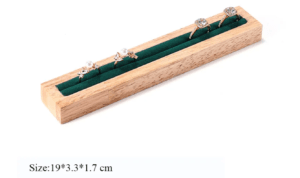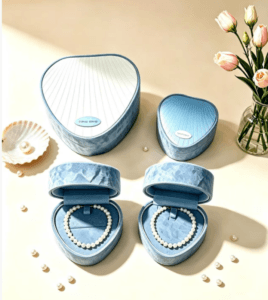

Maintaining a pristine Jewelry Display reflects the professionalism of any jewelry packaging manufacturer. Cleaning and maintenance routines tailored to each material help prevent premature wear. Industry data shows that cast acrylic displays last 5–8 years with regular cleaning, hardwood displays can reach 10–15 years with annual oiling, and powder-coated steel remains durable for over 15 years. The right approach protects Clean Commercial Jewelry props, custom jewelry boxes, and even a Jewelry Pouch. Proper care also preserves the appeal of jewelry packaging, ensuring every piece stands out.
| Material | Lifespan with Proper Cleaning | Notes |
|---|---|---|
| Cast Acrylic | 5–8 years | Regular cleaning prevents deterioration. |
| Hardwood | 10–15 years | Requires annual oiling for maintenance. |
| Powder-Coated Steel | 15+ years | Durable with proper care. |
Clean Flocked Jewelry Displays: Best Practices
Step-by-Step Cleaning for Flocked Displays
Removing Dust and Debris with Vacuum Attachments
Cleaning flocked displays begins with dust removal. Professionals use a vacuum cleaner’s hose to reach corners and crevices. A low-suction vacuum attachment prevents fiber flattening. Weekly maintenance with a soft lint roller or velvet brush keeps surfaces free from dust and lint. For larger areas, a lint roller works efficiently. Sticky tape can lift stubborn debris from intricate sections. A plastic comb or an electrostatic rubber pet hair brush removes fuzz and hair without damaging the flocked material.
Spot Cleaning Stains on Flocked Surfaces
Spot cleaning flocked jewelry displays requires gentle handling. A slightly damp microfiber cloth and mild detergent help remove stains. Vigorous rubbing harms the flocking material, so professionals blot gently. They avoid water or direct sprays, which can degrade adhesives and cause fiber loss. After spot cleaning, air drying in a well-ventilated area prevents warping and discoloration. For short-pile flocking, wet cleaning is not recommended. Long-pile flocking benefits from gentle brushing with a soft toothbrush or pet grooming brush to restore fluffiness.
Deep Cleaning Methods for Flocked Props
Deep cleaning flocked displays involves several steps. Professionals wipe down surfaces with a slightly dampened cloth to pick up residue. They revive flattened flocking by brushing fibers in the pile direction while using a cool setting hairdryer held several inches away. Environmental controls, such as managing humidity and using UV-resistant fibers, help prevent fading. Replacement becomes necessary when fibers are matted, adhesive degrades, color fades, or contamination occurs.
Maintenance Tips for Flocked Jewelry Displays
Preventing Wear and Tear on Flocked Material
Regular cleaning and maintenance extend the lifespan of flocked jewelry display props. Dusting with a soft-bristle brush or vacuum attachment avoids fiber flattening. Professionals avoid dyeing or painting flocked surfaces, as these practices damage adhesives and fibers. They monitor environmental conditions, sealing substrates and applying UV-protective sprays to prevent fading.
Tip: Weekly dusting and gentle brushing keep flocked displays looking new and professional.
Proper Storage for Flocked Displays
Proper storage protects flocked jewelry displays from damage. Professionals store displays in dry, cool environments away from direct sunlight. They use protective covers to shield surfaces from dust and accidental contact. Displays should not be stacked or compressed, as this causes fiber matting and deformation.
Recommended Tools and Products for Flocked Displays
Safe Cleaning Solutions for Flocked Surfaces
Safe cleaning solutions for flocked surfaces include mild detergents and water. Professionals use a slightly damp cloth for spot cleaning. They avoid harsh chemicals, which degrade adhesives and fibers. For routine maintenance, a lint roller, velvet brush, and soft-bristle brush prove effective.
| Tool/Product | Purpose |
|---|---|
| Soft lint roller | Removes lint and dust |
| Velvet brush | Maintains surface texture |
| Low-suction vacuum | Cleans corners and crevices |
| Mild detergent | Spot cleaning stains |
| Microfiber cloth | Gentle residue removal |
Tools to Avoid When Cleaning Flocked Jewelry Displays
Professionals avoid abrasive tools and harsh chemicals when cleaning flocked jewelry displays. Wire brushes, stiff combs, and strong solvents damage fibers and adhesives. Water sprays and steam cleaners cause warping and discoloration. Dyeing or painting flocked surfaces leads to irreversible damage.
Note: Always air dry flocked displays in a well-ventilated area after cleaning to prevent moisture-related issues.
Clean Commercial Jewelry Leatherette Display Props
Routine Cleaning Steps for Leatherette
Wiping Leatherette Surfaces Safely
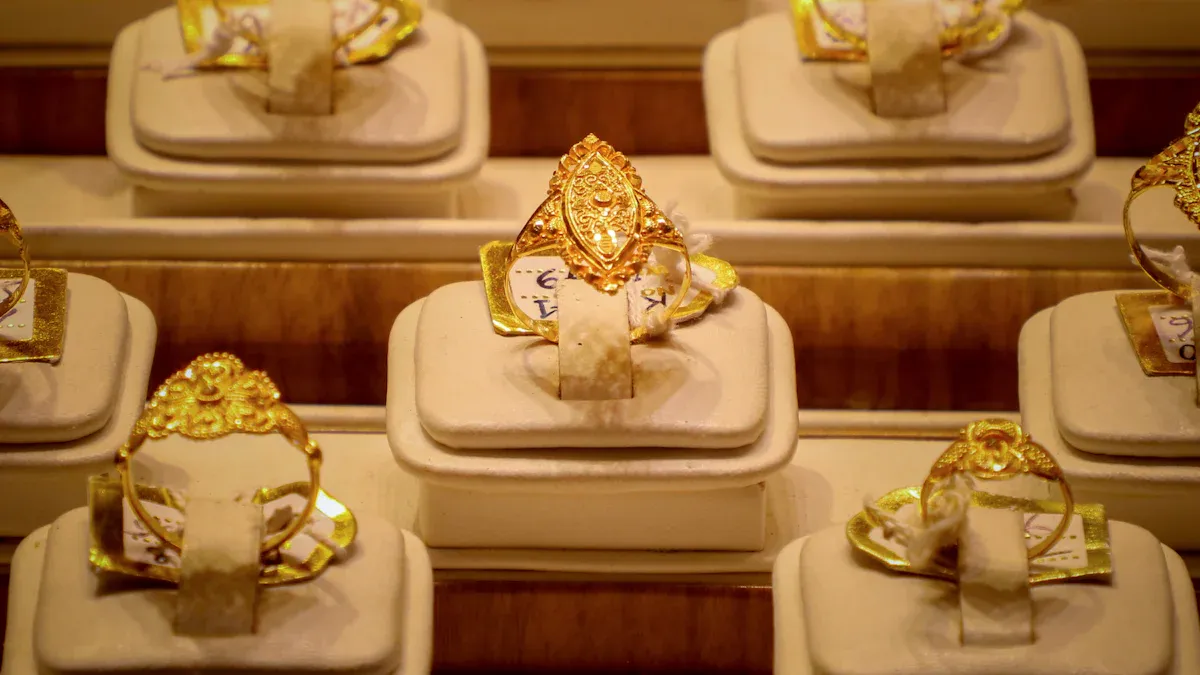
Leatherette jewelry displays require careful cleaning to preserve their appearance and durability. Professionals recommend using a microfiber cloth for routine dusting. This method prevents scratches and maintains the surface’s luster. They avoid abrasive materials, which can cause permanent damage. For regular cleaning, a gentle soap and water solution works well. After wiping, they dry the surface completely to prevent moisture buildup. Regular dusting prevents dullness and extends the lifespan of leatherette props.
Handling Spills and Marks on Leatherette
Spills and marks can compromise the look of leatherette displays. Immediate action is crucial. Professionals blot spills with a dry, soft cloth to absorb moisture. For tougher marks, they use a mild soap solution and gently wipe the affected area. They avoid vigorous scrubbing, which can lead to scratches or staining. After cleaning, they ensure the display dries thoroughly. This approach prevents discoloration and maintains the professional appearance of the display.
Tip: Always test any cleaning solution on a hidden area before applying it to the entire surface.
Maintenance Advice for Leatherette Props
Protecting Leatherette from Cracking
Leatherette materials, especially PU leather, do not dry out like natural leather. However, exposure to extreme conditions can cause cracking. Professionals keep displays away from direct sunlight and heat sources. They store props in a stable environment with controlled humidity. Using breathable covers helps prevent premature wear. These practices protect leatherette from environmental stress and extend its lifespan.
Conditioning Leatherette Jewelry Displays
Conditioning is not necessary for PU leatherette, but understanding its properties is essential for proper maintenance. Professionals avoid oil-based conditioners, which can damage synthetic surfaces. Instead, they focus on regular cleaning and protection. They refresh displays seasonally or after special occasions to keep collections looking new. Proper storage and handling ensure that leatherette props retain their shape and finish.
Recommended maintenance practices:
- Clean with a microfiber cloth and mild soap solution.
- Store in a dry, cool place away from sunlight.
- Use breathable covers for protection.
- Refresh displays regularly to maintain appeal.
Cautionary Notes for Leatherette Care
Avoiding Harsh Chemicals on Leatherette
Harsh chemicals can cause irreversible damage to leatherette jewelry displays. Professionals avoid strong solvents, bleach, and alcohol-based cleaners. These substances strip the finish and create a dull appearance. They use only mild, leather-specific cleaners or soap and water. The table below highlights common causes of damage during cleaning:
| Cause of Damage | Description |
|---|---|
| Scratches | Damage from abrasive cleaning materials. |
| Dull Finish | Loss of luster due to harsh chemicals. |
| Staining | Discoloration from improper cleaning methods. |
Preventing Sun and Moisture Damage
Sunlight and moisture pose significant risks to leatherette displays. Professionals store props in dry locations and avoid placing them near windows or humid areas. Sun exposure leads to fading and cracking, while moisture causes warping and mold growth. Maintaining a stable environment preserves the integrity of the display and supports long-term use.
Note: Proper cleaning and maintenance routines ensure that leatherette jewelry display props remain professional and attractive for years.
Cleaning Painted Jewelry Display Case Surfaces
Cleaning Procedures for Painted Displays
Dusting Painted Jewelry Display Cases
Painted jewelry display cases require regular dust removal to maintain their vibrant finish. Professionals recommend using a soft microfiber cloth or an electrostatic duster. These tools lift dust without scratching the painted surface. Light dusting every two to three days prevents buildup and keeps the display area clear for customers. Consistent dusting also reduces the risk of abrasive particles causing micro-scratches.
| Cleaning Type | Recommended Frequency | Purpose |
|---|---|---|
| Light Dusting | Every 2–3 days | Prevents dust accumulation and maintains clarity of display and jewelry. |
| Deep Cleaning | Monthly in average-use settings; Quarterly in low-traffic environments | Removes stubborn residues and maintains material integrity. |
Removing Fingerprints and Smudges from Painted Surfaces
Fingerprints and smudges can quickly diminish the professional look of painted displays. A slightly damp microfiber cloth removes most marks without harming the paint. For stubborn smudges, a diluted solution of mild soap and water works well. After wiping, the surface should be dried immediately with a clean, dry cloth. This method prevents water spots and streaks.
Tip: Always test any cleaning solution on a hidden area before applying it to visible surfaces.
Maintenance Strategies for Painted Props
Preventing Scratches on Painted Jewelry Display Cases
Painted surfaces are prone to scratches if handled improperly. Staff should avoid using abrasive pads or rough cloths. They should lift and move displays carefully, never dragging them across surfaces. Placing felt pads under display cases adds an extra layer of protection against accidental scratches.
Touch-Up Tips for Painted Surfaces
Minor chips or scratches can occur over time. Touch-up paint that matches the original color restores the display’s appearance. Professionals use a small artist’s brush for precise application. After the paint dries, a gentle buff with a soft cloth blends the repair with the surrounding area.
Tools and Products for Painted Display Cases
Choosing Safe Cleaners for Painted Jewelry Display Cases
Safe cleaners preserve the integrity of painted surfaces. Mild soap solutions and water provide effective cleaning without causing damage. Commercial cleaners labeled as safe for painted surfaces are also suitable. Always follow the manufacturer’s instructions for any product.
What Not to Use on Painted Surfaces
Certain products can harm painted jewelry display cases. Avoid ammonia-based cleaners, bleach, and abrasive powders. These substances strip paint and leave surfaces dull or discolored. Steel wool and rough sponges should never touch painted displays.
Note: Proper cleaning and maintenance routines keep painted jewelry display cases looking professional and extend their lifespan.
Maintaining Traditional Jewelry Display Case Materials
Cleaning Glass and Acrylic Display Cases
Streak-Free Cleaning for Glass and Acrylic
Glass and acrylic jewelry display cases require special care to maintain a flawless appearance. Staff should always dust the glass with a soft, dry microfiber cloth before wet cleaning. This step prevents scratches from trapped particles. Ammonia-free glass cleaners work best for glass surfaces, as they prevent streaks and protect seals. For a natural alternative, a mixture of equal parts white vinegar and distilled water provides excellent results. Separate microfiber cloths should be used for different surfaces to avoid cross-contamination. Corners and edges often collect more dust, so extra attention in these areas ensures a polished look.
- Use ammonia-free glass cleaner for streak-free results.
- Mix white vinegar and distilled water for a natural solution.
- Dust with a soft, dry microfiber cloth before wet cleaning.
- Assign separate cloths for glass and acrylic to prevent residue transfer.
Handling Scratches on Display Case Surfaces
Acrylic surfaces can scratch easily if handled improperly. Staff should use cleaners formulated specifically for acrylic to prevent clouding or cracking. For daily maintenance, a soft, lint-free microfiber cloth removes dust and fingerprints. Deeper cleaning requires applying the cleaner to the cloth and wiping in straight, vertical motions. This technique avoids swirl marks. Abrasive sponges, paper towels, and harsh chemicals should never touch these surfaces, as they can cause permanent damage.
Tip: Always inspect acrylic displays under good lighting to spot scratches early and address them before they worsen.
Caring for Wood and Metal Jewelry Display Cases
Polishing Wood Surfaces on Display Cases
Wooden display cases add warmth and elegance to any retail environment. Staff should wipe jewelry before storing it to remove dirt and moisture that can cause deterioration. Avoid placing jewelry directly on wood to prevent staining or tarnishing. Felt-lined boxes help absorb moisture and protect surfaces. Regular polishing with a wood-safe product maintains the finish and prevents drying or cracking.
Cleaning Metal Hardware on Jewelry Display Cases
Metal hardware, such as hinges and locks, requires routine attention. Staff should use clean rags and special cleaners designed for display cases. Silver pieces benefit from anti-tarnish cloth pouches, which neutralize harmful particles. Lockable cases protect valuable collections from dust and humidity. Hanging organizers keep necklaces visible and untangled, reducing wear on metal components.
Maintenance Practices for Traditional Display Cases
Regular Inspection of Jewelry Display Cases
Routine inspections help identify minor issues before they become major problems. Staff should create a simple daily cleaning routine using microfiber cloths and ammonia-free glass cleaner. Daily security protocols, such as checking locks and training staff on proper handling, prevent theft and damage. Lighting should be checked and replaced regularly to enhance the display’s visual appeal.
Repairing Minor Damage to Display Cases
Prompt repairs extend the life of traditional display cases. Staff should handle repairs and replacements as soon as they notice minor damage. Professional deep cleaning a few times a year maintains the integrity of all materials. Removing watermarks promptly with a damp cloth and low-temperature iron prevents permanent stains.
Note: Consistent maintenance ensures that traditional jewelry display cases remain attractive and functional for years.
General Maintenance for All Jewelry Display Props
Establishing a Cleaning Schedule for Display Props
Frequency Recommendations for Cleaning
Jewelry display props require a consistent cleaning schedule to maintain their professional appearance. Industry experts recommend gentle, regular cleaning routines for all types of displays. Staff should use non-abrasive cloths and avoid chemical cleaners that could damage coatings, especially on gold-plated props. Most professionals clean high-traffic displays daily or every other day. Low-traffic displays benefit from weekly attention. Electrical components and smooth edges need periodic inspection to ensure safety and compliance.
Tip: Create a checklist for cleaning tasks and assign responsibilities to staff members. This approach ensures every display receives proper care.
Seasonal Deep Cleaning for Jewelry Displays
Seasonal deep cleaning helps preserve the condition of jewelry displays. Staff should schedule deep cleaning at the start of each season or before major retail events. Deep cleaning includes inspecting for damage, polishing surfaces, and replacing worn components. Professionals recommend using mild soap solutions and soft brushes for thorough cleaning. This routine prevents buildup and extends the lifespan of each display prop.
Handling and Placement Tips for Display Props
Safe Moving Techniques for Jewelry Display Cases
Safe handling protects jewelry display cases from accidental damage. Staff should lift cases with both hands and avoid dragging them across surfaces. Using padded gloves reduces the risk of scratches. When moving large displays, teams should coordinate movements and use carts or dollies for heavy items. Proper handling prevents chips, cracks, and other forms of wear.
Avoiding Overcrowding in Display Arrangements
Overcrowding diminishes the visual appeal of jewelry displays and increases the risk of damage. Professionals recommend spacing props to allow easy access and clear visibility. Each piece should stand out without touching adjacent items. This arrangement reduces the chance of scratches and makes cleaning easier.
Note: Well-organized displays create a more inviting environment for customers and simplify maintenance routines.
Environmental Considerations for Display Props
Humidity and Temperature Control for Jewelry Displays
Environmental factors play a critical role in the longevity of jewelry display props. High humidity can warp wood and corrode metals. Extreme temperatures may weaken certain materials. Staff should store displays in dry, temperature-controlled environments. Sealed finishes protect wood, and anti-tarnish coatings safeguard metals. Marine-grade acrylic and anodized aluminum resist humidity and temperature changes, making them ideal for variable conditions.
| Material | Sensitivity to Humidity | Sensitivity to Temperature | Recommendations |
|---|---|---|---|
| Wood | Warps or cracks | Requires polishing | Use sealed finishes for protection |
| Metals (e.g., brass) | Corrodes in moisture | Can weaken with heat | Use anti-tarnish coatings |
| Stainless Steel | Humidity-resistant | Stable under temperature | Ideal for high-moisture areas |
| Anodized Aluminum | Humidity-resistant | Stable under temperature | Suitable for variable conditions |
| Marine-grade Acrylic | Humidity-resistant | UV resistant | Best for outdoor or seasonal events |
Lighting Effects on Display Prop Longevity
Lighting impacts both the appearance and durability of jewelry displays. Prolonged UV exposure causes fading and weakens adhesives. Staff should select UV-protected acrylic and avoid placing fabric or wood props in direct sunlight. Regularly inspect lighting fixtures and replace bulbs as needed. Proper lighting enhances the presentation and preserves the quality of display props.
- Select high-quality materials like solid wood, powder-coated metal, or UV-protected acrylic.
- Store props in a dry, temperature-controlled environment.
- Protect from prolonged UV exposure to prevent fading.
- Regularly inspect for damage and perform maintenance.
Common Mistakes to Avoid When You Clean Commercial Jewelry Displays
Using Incorrect Cleaning Products on Display Props
Risks of Harsh Chemicals on Jewelry Displays
Many professionals encounter issues when they use harsh chemicals on jewelry display props. These substances often strip finishes, degrade adhesives, and cause discoloration. Paint, flocking, and leatherette surfaces lose their luster and integrity after exposure to strong solvents. Staff should select mild, non-abrasive cleaners for all display surfaces. Soft cloths and gentle cleaning solutions protect the material and preserve the professional appearance of the display. Using the wrong products can result in costly repairs or replacements.
Tip: Always check manufacturer guidelines before applying any cleaning solution to display props.
Damage from Abrasive Tools on Display Cases
Abrasive tools pose a significant threat to jewelry display cases. Wire brushes, rough sponges, and scouring pads scratch surfaces and leave permanent marks. Staff should avoid these tools and instead use microfiber cloths or velvet brushes. These gentle tools remove dust and debris without harming the finish. Scratches reduce the perceived value of jewelry and diminish the overall presentation. Proper tool selection ensures displays remain attractive and functional.
Common cleaning mistakes include:
- Using harsh chemicals that damage finishes
- Employing abrasive tools that scratch surfaces
- Neglecting to use soft cloths and non-abrasive cleaners
- Failing to handle jewelry with care during cleaning
Neglecting Regular Maintenance of Jewelry Display Cases
Consequences of Infrequent Cleaning
Neglecting regular maintenance leads to several negative outcomes. Dust and residue accumulate, making displays appear dirty and cluttered. Customers notice these imperfections and may question the quality of the jewelry. Staff efficiency decreases when showcases become disorganized. Security features, such as locks and hinges, may fail if not maintained properly. Regular cleaning routines prevent these issues and support a positive shopping environment.
| Impact Type | Description |
|---|---|
| Appearance | Neglected displays can appear dirty and cluttered, reducing the perceived value of the jewelry. |
| Customer Experience | Poor maintenance can deter customers, leading to a negative shopping experience. |
| Security | Well-maintained displays ensure proper functioning of locking mechanisms, enhancing security. |
| Staff Efficiency | Clean and organized showcases allow staff to assist customers more effectively. |
Signs of Wear to Watch For on Display Props
Staff should monitor jewelry display props for signs of wear. Common indicators include faded colors, scratches, loose hardware, and stained surfaces. Flocked materials may show matting or fiber loss. Leatherette props can crack or peel. Painted cases often reveal chips or dull spots. Early detection allows for prompt repairs and prevents further deterioration. Regular inspections help maintain the professional look and functionality of every display.
Note: Establishing a routine for cleaning and maintenance reduces mistakes and extends the lifespan of jewelry display props.
Recommended Tools and Supplies for Jewelry Display Case Care
Essential Cleaning Tools for Jewelry Displays
Soft Brushes and Microfiber Cloths for Display Cases
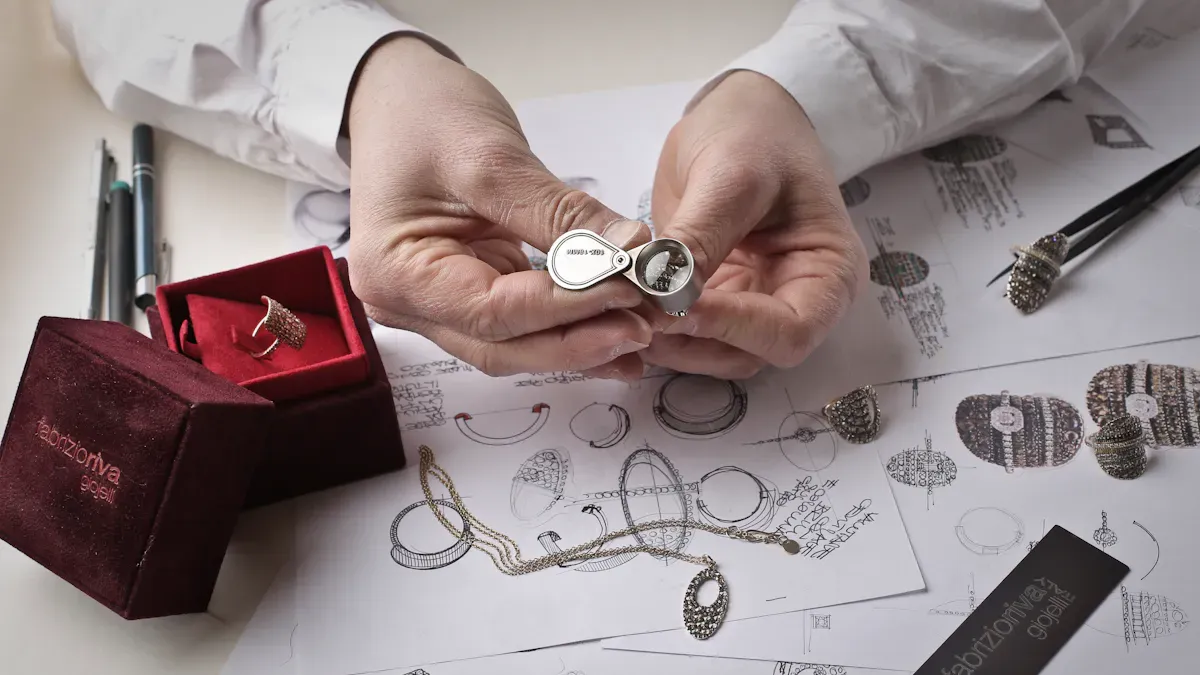
Jewelry display cases require gentle cleaning tools to maintain their pristine appearance. Soft brushes remove dust from intricate corners without scratching surfaces. Microfiber cloths, which do not leave lint, work best for daily wiping. Staff use these cloths to eliminate fingerprints, dust, and smudges from glass, acrylic, and metal displays. A soft-bristled brush reaches into detailed carvings or textured surfaces, ensuring no debris remains. These tools help preserve the finish and clarity of every display prop.
Tip: Microfiber cloths should be washed regularly to prevent dirt buildup that could scratch surfaces.
Specialized Cleaning Solutions for Jewelry Display Props
Specialized cleaning solutions address the unique needs of different display materials. Staff select mild liquid soap and warm water for gold-colored or gold-plated metal displays. After cleaning, they rinse and dry the surfaces thoroughly to prevent water spots. For lacquered copper, warm soapy water and a soft-bristled brush remove grime without damaging the finish. Unlacquered copper benefits from a gentle lemon and salt mixture, which restores shine when applied with care. Metal cleaners designed for commercial use provide deeper cleaning for stubborn tarnish, but staff avoid harsh detergents or plain water alone. Each solution matches the material, ensuring effective cleaning without risk.
Recommended Cleaning Routine:
- Wipe all surfaces daily with a soft, lint-free microfiber cloth.
- Use a mild soap and water solution for gold-plated or gold-colored metals.
- Apply specialized metal cleaner for deep cleaning, following manufacturer instructions.
- Clean lacquered copper with warm soapy water and a soft brush.
- Restore unlacquered copper with a lemon and salt mixture, then rinse and buff.
Storage and Organization Products for Display Props
Protective Covers for Jewelry Display Cases
Protective covers shield display cases from dust, sunlight, and accidental scratches when not in use. Staff choose covers made from breathable fabrics to prevent moisture buildup. These covers fit snugly over cases, preserving the finish and reducing cleaning frequency. For high-value displays, covers with anti-tarnish linings offer additional protection, especially for metal and silver props.
Storage Containers for Display Props
Proper storage containers play a vital role in organizing and safeguarding jewelry display props. Containers with soft velvet interiors prevent scratches and damage during transport or storage. Anti-tarnish linings help maintain the shine of metal components. Secure locking mechanisms add an extra layer of security for valuable pieces, reducing the risk of loss or theft.
| Feature | Description |
|---|---|
| Protective Lining | Anti-tarnish lining helps prevent tarnishing of jewelry. |
| Soft Interiors | Velvet interiors protect jewelry from scratches and damage. |
| Secure Locking Mechanism | Lock and key options provide added security for valuable pieces. |
Note: Investing in high-quality storage and organization products extends the lifespan of jewelry display props and supports a professional presentation.
Regular cleaning and maintenance keep jewelry display props professional and long-lasting. Material-specific methods and gentle tools preserve surfaces and prevent damage. Well-maintained displays create a welcoming ambiance and attract customers. Clean props highlight jewelry beauty and reflect brand quality. Staff should avoid common mistakes and set a routine for ongoing care. Using proper cleaning products for each material helps maintain texture and appearance. Consistent upkeep supports business success and enhances customer experience.
- Clean displays attract customers and reflect brand quality.
- Proper care preserves material texture and professional appearance.
FAQ
How often should staff clean jewelry display props?
Staff should clean high-traffic display props daily or every other day. For low-traffic areas, weekly cleaning is sufficient. Regular cleaning prevents dust buildup and keeps displays looking professional.
What cleaning products are safe for all display materials?
Mild soap, water, and microfiber cloths work safely on most surfaces. Staff should avoid harsh chemicals and always check manufacturer guidelines before using any new product.
Can staff use regular glass cleaner on acrylic display cases?
No. Regular glass cleaners often contain ammonia, which damages acrylic. Staff should use ammonia-free cleaners or solutions designed specifically for acrylic surfaces.
How can staff prevent fading on fabric or flocked displays?
Staff should keep displays out of direct sunlight and use UV-protective sprays when possible. Proper storage in cool, dry areas also helps prevent fading.
What is the best way to remove fingerprints from painted surfaces?
A slightly damp microfiber cloth removes most fingerprints. For stubborn marks, a diluted mild soap solution works well. Staff should dry surfaces immediately after cleaning.
How should staff store display props when not in use?
Staff should use protective covers and store props in dry, temperature-controlled environments. Soft-lined containers prevent scratches and damage during storage or transport.
What signs indicate a display prop needs repair or replacement?
Common signs include faded colors, scratches, loose hardware, and stained or matted surfaces. Staff should inspect props regularly and address issues promptly.
Are there tools staff should never use on jewelry display props?
Yes. Staff should avoid wire brushes, abrasive sponges, and harsh chemicals. These tools can scratch, discolor, or degrade display materials.