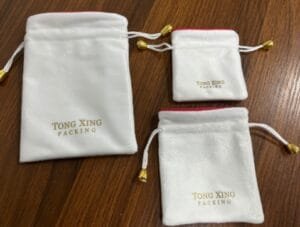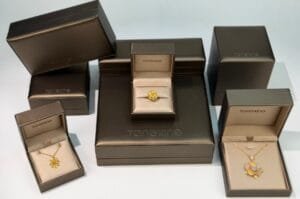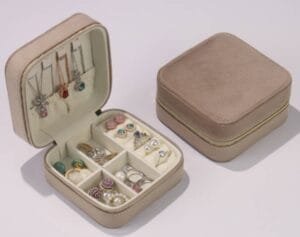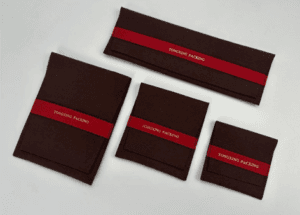
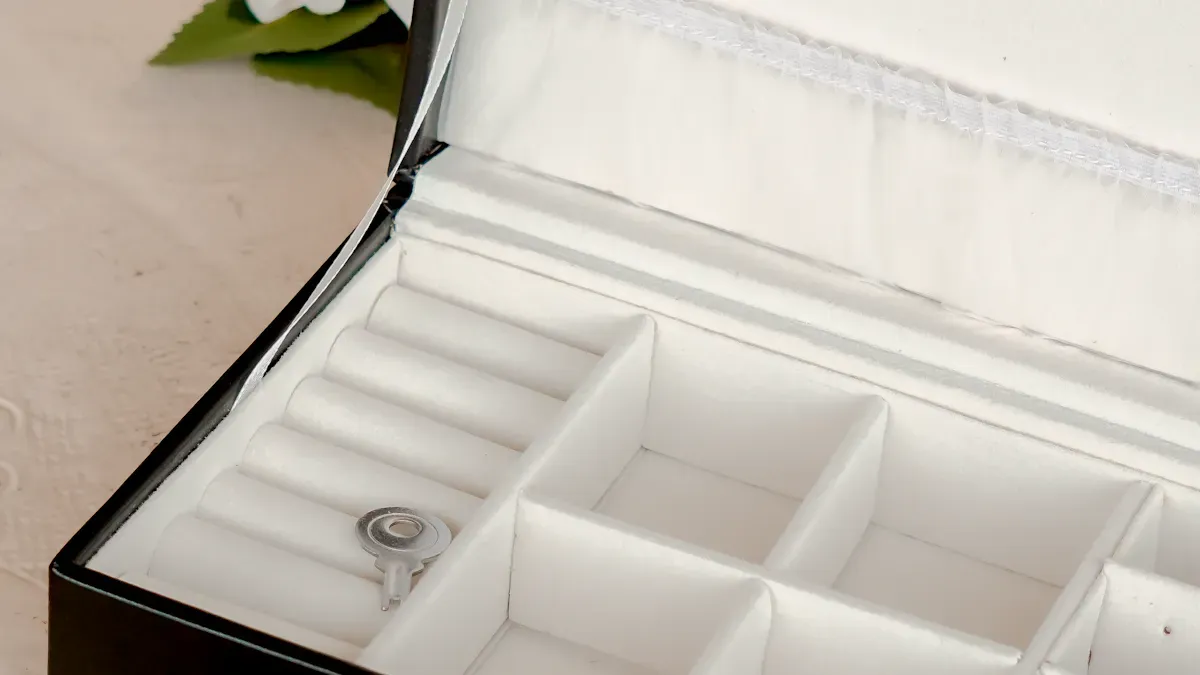
Selecting the right materials for anti-tarnish jewelry guarantees effective protection and long-lasting care. Anti-tarnish jewelry storage solutions, such as anti-tarnish strips, felt, and velvet, prevent tarnish and promote organization. Scientific research confirms that anti-tarnish products, including custom jewelry boxes and Jewelry Display options, provide reliable performance. Many jewelry packaging manufacturer brands recommend acid-free tissue paper and silica gel for Jewelry Pouch and jewelry packaging. The table below highlights why these materials excel in jewelry storage:
| Feature | Description |
|---|---|
| Non-Abrasive and Non-Toxic | Offers a clean solution to tarnish prevention, ensuring safety for precious items. |
| Environmentally Friendly | Breaks down into harmless polymer dust, leaving no toxic residues. |
| Temperature and Humidity Independent | Provides consistent protection regardless of environmental conditions. |
| Trusted by Global Entities | Used by organizations like NASA and The British Royal Mint, highlighting its reliability and effectiveness. |
How Tarnish Happens and Why Material Choice Matters
What Causes Jewelry to Tarnish
Moisture and Humidity
Moisture in the air plays a major role in the tarnishing process. When jewelry sits in a humid environment, water molecules interact with the metal surface. This interaction accelerates chemical reactions that lead to tarnish. Sterling silver, for example, contains 7.5% copper. The copper reacts with moisture and forms compounds that darken the jewelry’s surface. High humidity levels in a room or storage area can increase the risk of tarnish, making proper jewelry storage essential for long-term protection.
Airborne Chemicals and Sulfur
Airborne chemicals, especially sulfur compounds, contribute significantly to tarnish formation. Sulfur exists in the environment from sources like pollution, household cleaning products, and even certain foods. When these chemicals come into contact with jewelry, they react with the copper in silver alloys. This reaction produces silver sulfide, which appears as a dark layer on the jewelry. Even brief exposure to these chemicals can cause visible changes, so choosing the right storage solutions helps prevent tarnishing.
Skin Oils and Residue
Skin oils and residues from lotions, perfumes, and sweat can also affect jewelry. When people handle their jewelry, natural oils transfer onto the metal. Over time, these oils attract dust and other particles, creating a film that can trap moisture and chemicals. This film speeds up the tarnishing process. Regular cleaning and careful handling reduce the buildup of residue and help maintain the jewelry’s shine.
The Role of Storage Materials to Prevent Tarnish
Absorbing Moisture
Certain materials in anti-tarnish jewelry storage absorb excess moisture from the air. Silica gel packets, for example, act as desiccants. They keep the environment dry and slow down the chemical reactions that cause tarnish. Felt and velvet linings also help by wicking away small amounts of moisture, offering extra protection for delicate pieces.
Blocking Air and Chemicals
Effective jewelry storage materials create a barrier against air and harmful chemicals. Anti-tarnish cloths and acid-free tissue paper wrap around jewelry, blocking exposure to sulfur and other pollutants. Tarnish-resistant plastics seal out atmospheric gases, reducing the chance of chemical reactions. These barriers are critical for anyone who wants to prevent tarnish and keep their collection looking new.
Reducing Physical Contact
Storage materials also reduce physical contact between jewelry pieces. When items touch each other, they can scratch or transfer oils and residues. Compartments lined with soft materials, such as felt or velvet, keep each piece separate. This separation prevents scratches and limits the spread of contaminants. Organized storage not only prevents tarnishing but also extends the life of each item.
Tip: Regular use of jewelry can help prevent tarnish buildup. Wearing pieces creates a natural barrier that protects against atmospheric gases.
Top Anti-Tarnish Jewelry Storage Materials
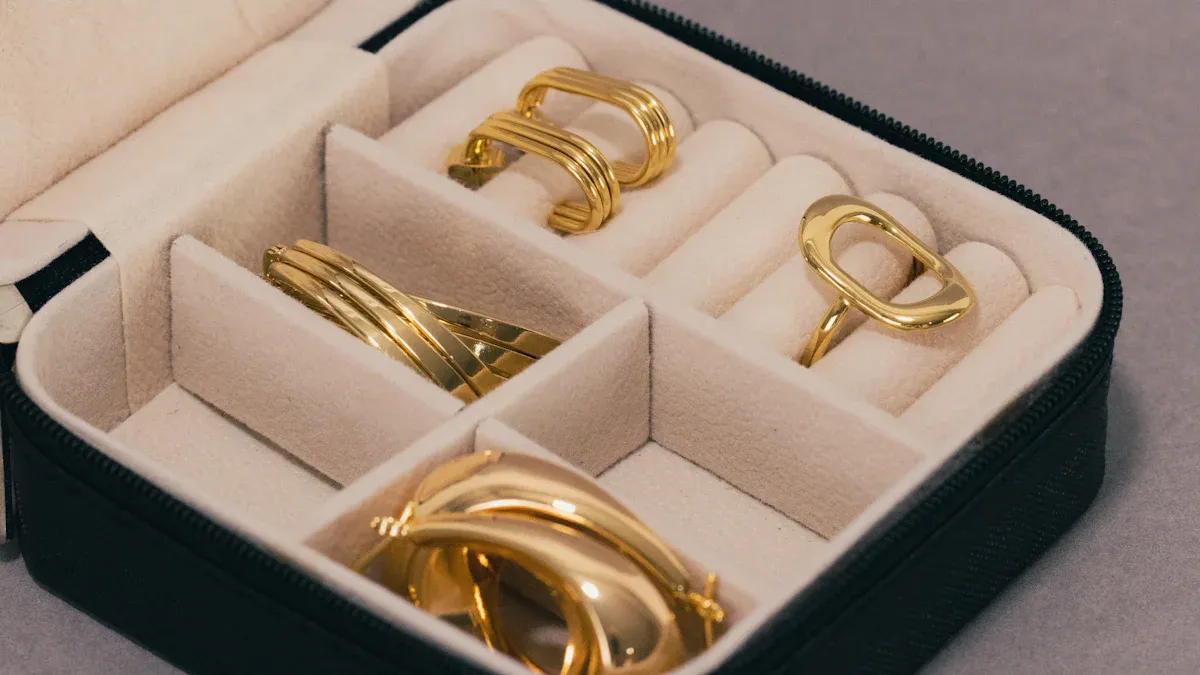
Anti-Tarnish Cloth Solutions
How It Works
Anti-tarnish cloth contains special chemical treatments that neutralize sulfur and other airborne agents. These cloths create a barrier that prevents harmful particles from reaching the jewelry surface. The cloth absorbs moisture and blocks out pollutants, which slows the tarnish process. Many anti-tarnish products use this technology to provide reliable protection for valuable pieces.
Pros and Cons
| Pros | Cons |
|---|---|
| Easy to use and widely available | Needs replacement after extended use |
| Non-abrasive and safe for metals | May lose effectiveness over time |
| Lightweight and flexible | Not suitable for all gemstones |
Best Uses
Anti-tarnish cloth works best for wrapping individual items or lining jewelry boxes. Many collectors use these cloths for silver, gold, and platinum pieces. They also serve as an excellent choice for travel pouches and drawer liners. For those seeking simple solutions, anti-tarnish cloth offers a practical option.
Felt for Jewelry Storage
How It Works
Felt acts as a soft, non-abrasive layer that cushions jewelry and absorbs small amounts of moisture. The dense fibers trap dust and limit air circulation around each piece. This material reduces the risk of scratches and helps maintain the shine of metals. Felt-lined compartments separate items, which prevents physical contact and minimizes tarnish.
Pros and Cons
| Pros | Cons |
|---|---|
| Gentle on delicate surfaces | Can attract dust over time |
| Affordable and easy to cut/shape | May retain moisture in humid areas |
| Provides basic tarnish resistance | Needs regular cleaning |
Best Uses
Felt works well for lining trays, drawers, and jewelry boxes. Many people choose felt for organizing rings, earrings, and bracelets. It also suits custom storage projects where users want to create compartments for each item. For those who want a balance of protection and affordability, felt remains a popular choice.
Velvet-Lined Jewelry Storage
How It Works
Velvet-lined storage uses a plush, dense fabric that cushions jewelry and limits exposure to air. The soft texture prevents scratches and keeps metals looking polished. Velvet absorbs small amounts of moisture, which helps reduce the risk of tarnish. Many luxury cases feature velvet linings for both aesthetic appeal and functional protection.
Pros and Cons
| Pros | Cons |
|---|---|
| Luxurious appearance | Requires regular maintenance |
| Excellent scratch prevention | Velvet can attract dust |
| Adds value to presentation | May show wear with heavy use |
Tip: Owners should clean velvet-lined boxes with a soft brush to remove dust from crevices. Monthly cleaning of wood exteriors with a dry microfiber cloth helps maintain the case. Every six months, inspect the lining for signs of wear, mold, or pests. Replace damaged linings immediately to ensure continued protection. In humid climates, silica gel packs help control moisture. In dry areas, a small sealed container of water prevents excessive dryness. Store cases away from windows, radiators, and bathrooms. Ideal conditions include 40–50% relative humidity and temperatures between 68°F and 72°F.
Best Uses
Velvet-lined storage suits high-value pieces and heirlooms. Many jewelers recommend velvet for rings, necklaces, and watches. It works well in display cases and presentation boxes. For those who want both elegance and effective anti-tarnish jewelry storage, velvet offers a premium solution.
Silica Gel to Prevent Tarnish
How It Works
Silica gel serves as a powerful desiccant in jewelry storage. These small packets contain porous beads that attract and hold water vapor from the surrounding air. By reducing humidity, silica gel slows the chemical reactions that cause tarnish on metals. This method provides a passive but highly effective layer of protection for valuable pieces.
- Silica gel can absorb up to 20–30% of its own weight in water vapor, depending on ambient humidity levels.
- Synthetic silica gel can hold up to 40% of its weight in water, making it effective for long-term jewelry preservation.
Silica gel packets fit easily into jewelry boxes, pouches, or display cases. They require no maintenance during use and do not interact with metals or gemstones.
Pros and Cons
| Pros | Cons |
|---|---|
| Highly effective at moisture control | Needs regular replacement |
| Non-reactive and safe for all jewelry | Packets can be misplaced or overlooked |
| Inexpensive and widely available | Not a physical barrier to dust |
Best Uses
Silica gel works best in enclosed spaces where moisture control is critical. Jewelers recommend placing packets in anti-tarnish jewelry boxes, travel cases, or drawers. For optimal results, users should replace silica gel regularly based on the type of jewelry stored.
| Jewelry Type | Replacement Frequency |
|---|---|
| Silver Jewelry | Every 4–6 weeks |
| Gold & Platinum | Every 2 months |
| Pearls & Organic Gems | Monthly monitoring |
| Costume & Fashion Jewelry | Every 3–4 weeks |
Tip: Store silica gel packets away from children and pets. Monitor color-changing indicators, if available, to know when replacement is necessary.
Tarnish-Resistant Plastics Solutions
How It Works
Tarnish-resistant plastics offer a modern approach to jewelry storage. Manufacturers design these plastics with additives that neutralize sulfur and other airborne chemicals. The material forms a sealed environment that blocks out moisture and pollutants. This barrier prevents tarnish and extends the life of precious metals.
Tarnish-resistant plastics do not emit harmful gases. They remain stable over time, making them suitable for both short-term and long-term storage. Many jewelry boxes and pouches now feature these advanced plastics as liners or inserts.
Pros and Cons
| Pros | Cons |
|---|---|
| Provides a strong barrier against air | May not suit all gemstones |
| Lightweight and durable | Can be more expensive than standard plastics |
| Easy to clean and maintain | Limited availability in some markets |
Best Uses
Tarnish-resistant plastics excel in custom jewelry boxes, display cases, and travel organizers. Jewelers often use these solutions for silver, gold, and platinum pieces that require maximum protection. They also work well for storing heirlooms and high-value collections. For best results, users should combine these plastics with other anti-tarnish materials, such as silica gel or anti-tarnish strips.
Acid-Free Tissue Paper for Jewelry Storage
How It Works
Acid-free tissue paper provides a gentle, non-reactive barrier for jewelry. This material does not contain acids or chemicals that could interact with metals. Its pH neutrality helps prevent chemical reactions that lead to tarnish. Acid-free tissue paper also shields jewelry from dust, fingerprints, and airborne contaminants.
The soft texture of acid-free tissue paper cushions delicate items. It wraps easily around rings, necklaces, and bracelets, offering flexible protection for various shapes and sizes.
Pros and Cons
| Pros | Cons |
|---|---|
| Non-reactive and safe for all metals | Offers limited moisture control |
| Lightweight and easy to use | Needs replacement if torn or soiled |
| Affordable and widely available | Not a strong barrier against air |
Best Uses
Acid-free tissue paper suits wrapping individual pieces before placing them in boxes or pouches. Jewelers recommend this material for silver, gold, and costume jewelry. It also works well for separating items in larger storage containers. For collectors who want a simple, effective way to prevent tarnish, acid-free tissue paper remains a trusted choice.
Anti-Tarnish Strips for Jewelry Storage
How It Works
Anti-tarnish strips serve as a practical solution for jewelry preservation. Manufacturers treat these strips with chemical compounds that neutralize tarnish-causing agents, such as sulfur and other airborne chemicals. When placed inside jewelry boxes or pouches, the strips absorb and inhibit the formation of tarnish on metals. The strips create a protective environment by interacting with the air and preventing harmful reactions on the jewelry surface. Treated paper or foam inserts, anti-tarnish tissue paper, poly bags with anti-tarnish coatings, and desiccant packs all contribute to this process. Each option targets specific threats, ensuring comprehensive protection for valuable items.
Pros and Cons
| Pros | Cons |
|---|---|
| Effective for long-term jewelry storage | Requires periodic replacement |
| Easy to use and compatible with most metals | May not suit all gemstones |
| Lightweight and fits in small compartments | Effectiveness depends on environmental factors |
| Neutralizes tarnish-causing agents | Not a physical barrier against scratches |
Note: Anti-tarnish strips should be replaced every 6 months to 2 years. The replacement interval depends on humidity, air quality, and the frequency of opening the storage container.
Best Uses
Anti-tarnish strips excel in enclosed jewelry storage solutions. Jewelers recommend placing strips in jewelry boxes, travel cases, and drawer organizers. These strips protect silver, gold, and platinum pieces from tarnish. For collectors with large inventories, strips offer a cost-effective method to maintain shine and value. They also work well in poly bags for bulk storage and in display cases for long-term preservation.
Wooden Jewelry Boxes with Felt Liners
How It Works
Wooden jewelry boxes with felt liners combine durability and elegance. The wooden exterior shields jewelry from physical damage, while the felt lining cushions each piece and prevents scratches. Wood naturally regulates moisture, which helps slow tarnishing of metals. Cedar-lined variants absorb excess humidity, maintaining equilibrium inside the box. Tight-fitting lids minimize exposure to dust and oxidizing gases, enhancing protection for stored jewelry.
Pros and Cons
| Feature | Wooden Jewelry Boxes | Fabric Boxes |
|---|---|---|
| Durability | Sturdy and often handcrafted | Softer and lighter |
| Protection | Better against physical damage | May not protect as well from scratches |
| Moisture Regulation | Natural moisture regulation helps prevent tarnishing | May absorb moisture, harming metals and stones |
| Elegance | More elegant appearance | Less elegant appearance |
| Compartmentalization | Includes compartments to reduce tangling and scratches | Typically lacks compartments |
- Wooden jewelry boxes provide better protection against physical damage.
- They help slow tarnishing of silver jewelry due to natural properties.
- The elegance of wood adds aesthetic value to jewelry storage.
- Compartmentalization features prevent tangling and scratches.
- Wood-lined cases offer natural moisture regulation.
- Cedar-lined variants absorb excess humidity, maintaining equilibrium.
- Tight-fitting lids minimize exposure to dust and oxidizing gases.
Tip: Choose wooden jewelry boxes with felt liners and tight-fitting lids for optimal anti-tarnish jewelry protection. Felt lining cushions diamond rings and gemstone bracelets, while the wooden exterior offers durability. Although no scientific studies confirm long-term preservation, many jewelers consider these boxes a practical and stylish option.
Best Uses
Wooden jewelry boxes with felt liners suit heirloom pieces, diamond rings, and gemstone bracelets. Jewelers recommend these boxes for individuals seeking elegant storage solutions. The compartments reduce tangling and scratches, making them ideal for organizing multiple items. Cedar-lined variants work well in humid climates, while tight-fitting lids protect jewelry from dust and air exposure. For collectors who value both style and protection, wooden jewelry boxes with felt liners remain a top choice.
Choosing the Right Jewelry Storage Solution
Jewelry Boxes for Anti-Tarnish Jewelry
Lined Compartments
Jewelry boxes with lined compartments offer a practical approach to jewelry organization. These compartments use soft, lint-free materials that protect jewelry from scratches and minimize physical contact. Padded interiors reduce exposure to air and light, which helps prevent tarnish. Many jewelry boxes feature specialized slots for rings, hooks for necklaces, and trays for bracelets. The layout supports easy access and visibility, allowing users to locate items quickly. Security features, such as locks, add an extra layer of protection for valuable pieces.
Tip: Assess the size and capacity of your collection before selecting a jewelry box. Choose a design that complements your space and provides enough compartments for all jewelry types.
Built-In Anti-Tarnish Features
Manufacturers often include built-in anti-tarnish features in jewelry boxes. These features may involve humidity control elements, such as silica gel packs, or anti-tarnish linings that limit exposure to air and moisture. While these boxes create a stable environment, they may not remain completely airtight over time. High-quality materials, like wood or leather, provide insulation and durability. However, low-quality plastics can trap humidity and accelerate tarnishing. Built-in solutions help maintain a tarnish-free environment, especially when combined with regular maintenance.
Pouches and Bags Solutions
Anti-Tarnish Pouches
Anti-tarnish pouches deliver effective protection for jewelry, especially when sealed. Soft EVA material reduces metal oxidation exposure and shields jewelry from scratches. These pouches excel at preventing tarnish compared to jewelry boxes that lack airtight seals. They suit fine jewelry and pieces that require extra care. Keeping pouches sealed enhances their ability to block moisture and airborne chemicals.
DIY Options
DIY solutions allow individuals to customize jewelry storage. Many people use acid-free tissue paper or anti-tarnish strips inside small bags to create personalized pouches. These options provide flexibility for unique collections and support organization. Users can select materials that match their needs and style preferences. DIY pouches work well for travel or temporary storage, offering a cost-effective alternative to commercial products.
Drawer Organizers and Trays for Jewelry Storage
Material Considerations
Drawer organizers and trays offer easy visibility and access to jewelry. They suit lightweight, short chains and decorative pieces. Material choice affects protection; organizers made from sturdy materials resist dust and moisture. However, fabric linings can snag chains, and open trays expose jewelry to environmental factors. Compact designs fit small spaces but may limit capacity for longer necklaces.
| Advantage | Disadvantage |
|---|---|
| Easy visibility and access | No inherent protection from tangling |
| Ideal for lightweight, short chains | Limited capacity for longer or layered necklaces |
| Stylish and decorative | Vulnerable to dust and moisture exposure |
| Compact footprint | Chains can snag on fabric lining or edges |
Customization Tips
Customization enhances jewelry organization. Users can add dividers, select trays with padded slots, or use anti-tarnish strips for extra protection. Drawer organizers support organization by separating items and reducing tangling. Smart design features, such as clear lids and adjustable compartments, improve functionality. Regular cleaning and monitoring help maintain a tarnish-free environment.
Note: Drawer organizers work best for collections that require frequent access. Combine them with anti-tarnish jewelry solutions for optimal results.
Travel Cases for Anti-Tarnish Jewelry
Portable Solutions
Travel cases for jewelry combine convenience and protection. These cases use secure compartments to keep each piece separate. Protective padding lines the interior, ensuring rings and pendants remain pristine during transit. Compact designs allow travelers to carry essentials without adding bulk. Many cases feature locking mechanisms, providing peace of mind for those carrying valuable items. Multiple storage sections accommodate different types of jewelry, preventing damage from tangling or scratching. Zippered or clasp closures ensure nothing slips out, even when the case moves inside a suitcase or bag.
The following table highlights features that make travel cases effective for anti-tarnish jewelry storage:
| Feature | Description |
|---|---|
| Secure Compartments | Keep every piece separate to avoid scratches and tangles. |
| Protective Padding | Soft linings ensure fine rings and pendants stay pristine. |
| Compact Design | Lightweight yet spacious enough to store essentials. |
| Locking Features | Added security for peace of mind. |
| Multiple Storage Sections | Designed to hold different types of jewelry, preventing damage. |
| Zippered or Clasp Closure | Ensures nothing slips out during transit. |
| Soft Interior Lining | Prevents scratches on delicate gemstones. |
| Anti-Tarnish Solutions | Protects jewelry from tarnishing during travel. |
Travel storage solutions often include anti-tarnish strips or tabs. These absorb moisture and neutralize chemicals that cause tarnish. Some cases use anti-tarnish pouches lined with protective material for individual pieces. Travelers can select cases with built-in anti-tarnish features or add their own strips for extra protection.
Tip: Choose a travel jewelry organizer with soft interior lining and secure closures. This prevents scratches and keeps jewelry safe during movement.
Keeping Jewelry Safe on the Go
Travelers face unique challenges when transporting jewelry. Movement and changes in climate can increase the risk of tarnish and physical damage. Portable cases address these concerns by offering specialized compartments and padding. Anti-tarnish solutions inside the case protect metals from humidity and airborne chemicals. Soft linings cushion delicate gemstones, reducing the chance of scratches.
To keep jewelry safe on the go, travelers should:
- Place each item in a separate compartment or pouch.
- Use anti-tarnish strips or tabs to absorb moisture.
- Select cases with zippered or clasp closures for added security.
- Avoid storing jewelry near toiletries or liquids that may leak.
- Inspect jewelry before and after travel for signs of tarnish or damage.
Travel jewelry organizers provide a reliable method for keeping jewelry untarnished and organized. They suit frequent travelers and those who value both style and protection. By combining secure compartments, anti-tarnish materials, and thoughtful design, these cases ensure jewelry arrives in perfect condition.
Note: Regularly replace anti-tarnish strips and inspect the case for wear. Proper maintenance extends the life of both the case and the jewelry inside.
Practical Tips to Prevent Tarnish in Jewelry Storage
Layering and Separating Jewelry
Preventing Scratches and Tangles
Jewelry experts recommend separating each piece to maintain its condition and prevent scratches. Compartments, soft pouches, and individual slots keep items apart, reducing metal-on-metal contact. This method also avoids tangling, especially for chains and delicate pieces. Velvet-lined boxes and tarnish-resistant containers provide a soft, protective environment. Airtight plastic bags can wrap individual jewelry pieces, minimizing exposure to air and moisture.
Maximizing Airflow
Proper airflow in storage helps prevent tarnishing. Overcrowding jewelry boxes restricts ventilation and increases humidity, which accelerates tarnish formation. Organizers with spaced compartments allow air to circulate around each item. Avoid stacking jewelry tightly; instead, use trays or boxes with dividers. Maintaining humidity levels below 55% slows tarnishing and preserves the shine of metals.
Tip: Place anti-tarnish strips or vapor capsules directly inside jewelry boxes or pouches for maximum protection.
Combining Anti-Tarnish Materials for Jewelry
Using Silica Gel with Cloth Linings
Combining silica gel packets and anti-tarnish cloth linings creates a controlled environment that limits moisture and sulfur exposure. Silica gel absorbs water vapor, which is crucial for preventing tarnish. Anti-tarnish cloth linings, treated to absorb sulfur gases, provide additional protection. This dual approach works well in jewelry boxes, travel cases, and drawer organizers.
- Silica gel packets fit easily into storage containers.
- Anti-tarnish cloth linings protect metals from airborne chemicals.
Double-Layered Storage
Double-layered storage enhances jewelry protection. Place jewelry in anti-tarnish pouches, then store these pouches inside felt-lined or velvet-lined boxes. This method combines the benefits of multiple materials, shielding jewelry from moisture, dust, and chemical exposure. Acid-free tissue paper can wrap individual pieces before placing them in compartments. Double-layered storage suits heirlooms and high-value collections.
| Layer 1 | Layer 2 | Benefit |
|---|---|---|
| Anti-tarnish pouches | Felt-lined box | Moisture and scratch control |
| Acid-free tissue paper | Velvet-lined compartment | Dust and chemical protection |
Replacing and Refreshing Anti-Tarnish Solutions
When to Replace
Anti-tarnish solutions lose effectiveness over time. Regular inspection ensures continued protection. Replace anti-tarnish pouches, strips, or cloths periodically. Jewelry worn frequently may require professional maintenance and more frequent replacement of anti-tarnish products.
- Inspect anti-tarnish coatings on jewelry every few months.
- Refresh silica gel packets and anti-tarnish strips as recommended by manufacturers.
Signs of Wear
Signs of wear include discoloration, loss of softness, or visible residue on anti-tarnish materials. If anti-tarnish pouches or cloths appear damaged or soiled, replace them immediately. Diminished effectiveness can lead to increased tarnish risk. Professional jewelers suggest monitoring storage materials and updating them regularly.
Note: Proper maintenance of storage solutions extends the life of jewelry and preserves its appearance.
Preparing and Maintaining Jewelry for Storage Solutions
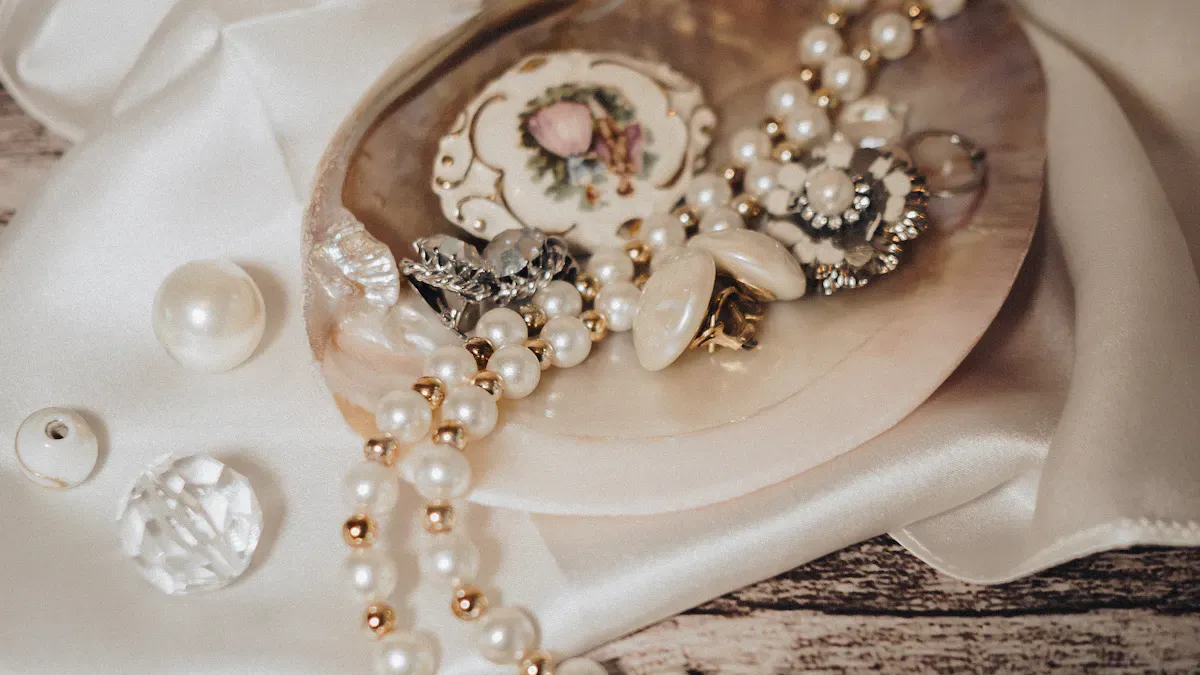
Cleaning Jewelry Before Storage
Removing Oils and Residue
Oils and residue from skin, lotions, and daily wear can accelerate tarnish and dull the shine of jewelry. Before placing items into storage, individuals should remove these contaminants to support long-term jewelry preservation. Regular cleaning ensures that each piece remains free from substances that attract dust and moisture.
Safe Cleaning Methods
Proper cleaning methods protect both metals and gemstones. The following steps outline an effective routine:
- Prepare a mild soap solution by mixing a few drops of gentle dish soap in warm water.
- Soak the jewelry for several minutes to loosen dirt and oils.
- Gently scrub intricate areas with a soft-bristled toothbrush to avoid scratches.
- Rinse thoroughly under lukewarm water to remove all soap residue.
- Dry completely with a soft, lint-free cloth to prevent moisture buildup.
- Avoid harsh chemicals and abrasive cleaners that can damage metals and gemstones.
- Use gentle alternatives like mild soap and warm water for cleaning.
Tip: Regular cleaning prevents tarnish and supports the effectiveness of anti-tarnish storage solutions.
Daily and Monthly Maintenance Routines
Quick Daily Checks
A daily inspection helps identify early signs of tarnish or damage. Individuals should check clasps, settings, and surfaces for any changes. Quick visual checks ensure that jewelry remains in good condition and that storage environments continue to offer protection.
Monthly Deep Cleans
Monthly deep cleans form a critical part of jewelry maintenance. During these sessions, individuals should repeat the safe cleaning methods described above. They should also inspect anti-tarnish materials, such as strips or silica gel packets, and replace them if necessary. This routine keeps jewelry looking its best and extends the life of each piece.
| Maintenance Task | Frequency | Purpose |
|---|---|---|
| Visual inspection | Daily | Detect tarnish or damage early |
| Deep cleaning | Monthly | Remove buildup and residue |
| Replace anti-tarnish | Every 1-2 mo. | Maintain storage effectiveness |
Long-Term Jewelry Storage Tips
Storing Rarely Worn Pieces
Rarely worn jewelry requires special attention. Each piece should be cleaned and dried before storage. Individuals should use anti-tarnish pouches or acid-free tissue paper to wrap items. Placing these wrapped pieces in a lined jewelry box or drawer organizer adds another layer of protection. Silica gel packets help control humidity and prevent tarnish.
Avoiding Common Mistakes
Many people make mistakes that compromise jewelry preservation. Overcrowding storage containers, using harsh cleaning agents, or neglecting regular checks can lead to damage. Individuals should avoid stacking pieces together and should always use soft, non-abrasive materials. Consistent jewelry maintenance and proper storage practices ensure that collections remain beautiful and untarnished for years.
Note: Thoughtful preparation and ongoing care play a vital role in preserving the value and appearance of jewelry.
Common Mistakes in Anti-Tarnish Jewelry Storage
Using the Wrong Materials
Materials That Cause Tarnish
Many individuals unknowingly select materials that accelerate tarnish on jewelry. Acid-based papers, for example, introduce harmful chemicals that react with metals. Jewelry stored on open trays or hooks remains exposed to humidity and airborne pollutants. These substances bond with the metal surface and cause visible tarnish. Storing jewelry in high humidity areas, such as bathrooms, leads to rapid oxidation. Moisture absorption becomes a significant problem in these environments. Jewelry left unprotected in such conditions often loses its shine and value quickly.
Cheap Plastics and Fabrics
Cheap plastics and low-quality fabrics present hidden risks for jewelry storage. Crinkly plastic bags and certain containers can release sulfates. These chemicals contribute to tarnishing by interacting with the metal. Some synthetic fabrics may also trap moisture or shed fibers, which can scratch delicate surfaces. Jewelry stored in these materials faces a higher risk of discoloration and damage. Selecting high-quality, non-reactive materials remains essential for long-term preservation.
Tip: Always choose acid-free tissue paper, anti-tarnish cloth, or tarnish-resistant plastics for storing valuable pieces.
Overcrowding Jewelry Storage Solutions
Risks of Tangling and Scratching
Overcrowding a jewelry box or organizer often leads to tangling and scratching. When multiple pieces touch, chains knot together and metal surfaces rub against each other. This contact creates scratches and dulls the finish. Overcrowded storage also restricts airflow, which can trap humidity and increase the risk of tarnish. Proper organization, with separate compartments or pouches for each item, helps prevent these issues. Jewelry remains in better condition when stored with enough space to avoid contact.
- Tangled chains become difficult to separate and may break.
- Scratched surfaces reduce the visual appeal and value of jewelry.
Neglecting Regular Maintenance
Consequences of Infrequent Checks
Neglecting regular maintenance allows small problems to grow. Without frequent checks, tarnish can develop unnoticed on jewelry surfaces. Dust, oils, and moisture accumulate over time, especially if anti-tarnish strips or silica gel packets are not replaced as needed. Jewelry stored for long periods without inspection may suffer from corrosion or discoloration. Routine cleaning and monitoring ensure that storage solutions continue to protect each piece effectively.
| Mistake | Impact on Jewelry |
|---|---|
| Skipping regular inspections | Tarnish and corrosion |
| Not replacing anti-tarnish aids | Reduced protection |
| Ignoring humidity control | Accelerated oxidation |
Note: Consistent care and timely replacement of anti-tarnish materials keep jewelry looking its best and extend its lifespan.
Quick-Reference Guide: Best Practices for Anti-Tarnish Jewelry Storage Solutions
Do’s and Don’ts to Prevent Tarnish
Essential Do’s
- Store jewelry in factory-engineered packaging when possible. This packaging uses chemical neutralization and airtight seals to block tarnish.
- Select jewelry boxes with anti-tarnish linings and moisture-absorbing inserts. These features maximize protection for metals and gemstones.
- Place jewelry in a dark, temperature-stable environment. Consistent conditions prevent fading and warping.
- Clean jewelry thoroughly before storage. Removing oils and residues reduces the risk of self-induced tarnishing.
- Keep jewelry away from moisture-heavy zones. Bathrooms and kitchens often accelerate oxidation.
Tip: Regularly inspect anti-tarnish strips and silica gel packs. Replace them according to manufacturer guidelines for continued effectiveness.
Key Don’ts
- Do not use low-quality plastics or fabrics for jewelry storage. These materials may release chemicals that cause tarnish.
- Avoid overcrowding storage containers. Tangling and scratching occur when pieces touch.
- Never store jewelry in direct sunlight or near heat sources. Sunlight can fade gemstones and warp materials.
- Do not neglect routine cleaning and maintenance. Skipping these steps allows tarnish to develop unnoticed.
- Avoid placing jewelry near household chemicals or cleaning agents.
Checklist for Setting Up Jewelry Storage
Materials to Gather
- Anti-tarnish jewelry box or organizer with lined compartments
- Silica gel packets or moisture-absorbing inserts
- Acid-free tissue paper or anti-tarnish cloth
- Anti-tarnish strips or tabs
- Soft pouches or bags for individual pieces
- Mild cleaning solution and lint-free cloth
Steps to Follow
- Clean each piece of jewelry with a mild solution and dry thoroughly.
- Wrap delicate items in acid-free tissue paper or anti-tarnish cloth.
- Place each item in a separate compartment, pouch, or bag.
- Insert silica gel packets and anti-tarnish strips into the storage container.
- Store the container in a cool, dark, and stable environment.
- Inspect jewelry and replace anti-tarnish materials every 1–2 months.
| Key Takeaway | Description |
|---|---|
| Use factory-engineered packaging | Combines chemical neutralization with airtight seals. |
| Avoid moisture-heavy zones | Prevents water-induced oxidation of precious metals. |
| Store in a dark, temperature-stable environment | Protects gemstones from fading and warping. |
| Choose anti-tarnish linings and inserts | Maximizes protection against tarnishing. |
| Clean jewelry before storage | Prevents self-induced tarnishing and damage. |
Following these jewelry storage tips helps maintain the beauty and value of every collection.
They achieve optimal jewelry preservation by selecting anti-tarnish jewelry materials such as anti-tarnish strips, felt, velvet, silica gel, acid-free tissue paper, or tarnish-resistant plastics. Individuals should clean and dry each jewelry piece before storage to prevent tarnish. Regular checks and refreshing of solutions maintain jewelry in top condition. Following the quick-reference guide ensures proper jewelry care and extends the life of every collection.
FAQ
What is the best material for preventing jewelry tarnish?
Anti-tarnish cloth offers reliable protection. Jewelers trust this material for silver, gold, and platinum. Silica gel and acid-free tissue paper also provide effective results.
How often should anti-tarnish strips be replaced?
Manufacturers recommend replacing anti-tarnish strips every 6 to 12 months. Environmental factors, such as humidity and air quality, may require more frequent changes.
Can silica gel damage gemstones or metals?
Silica gel does not harm metals or gemstones. It absorbs moisture without causing chemical reactions. Jewelers use silica gel in storage containers for added protection.
Is felt or velvet better for jewelry storage?
Velvet provides a luxurious appearance and excellent scratch prevention. Felt offers affordability and basic tarnish resistance. Both materials cushion jewelry and reduce physical contact.
Should jewelry be cleaned before storage?
Jewelry should always be cleaned before storage. Removing oils and residue prevents tarnish and maintains shine. Safe cleaning methods include mild soap and a soft cloth.
Are cheap plastics safe for jewelry storage?
Cheap plastics may release chemicals that accelerate tarnish. Tarnish-resistant plastics, acid-free tissue paper, and anti-tarnish cloth provide safer alternatives.
Can anti-tarnish solutions be combined?
Combining anti-tarnish cloth, silica gel, and strips enhances protection. Double-layered storage creates a controlled environment and reduces exposure to moisture and chemicals.
What is the ideal environment for jewelry storage?
Jewelry stays untarnished in cool, dark, and stable environments. Relative humidity should remain below 55%. Avoid storing jewelry near heat sources or in moisture-heavy areas.