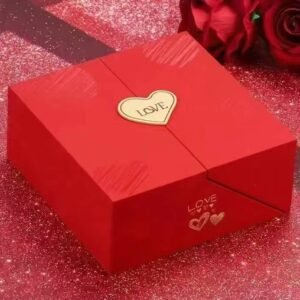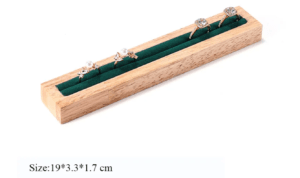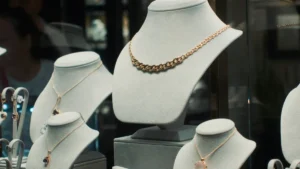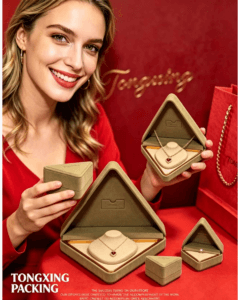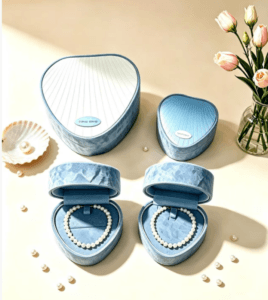
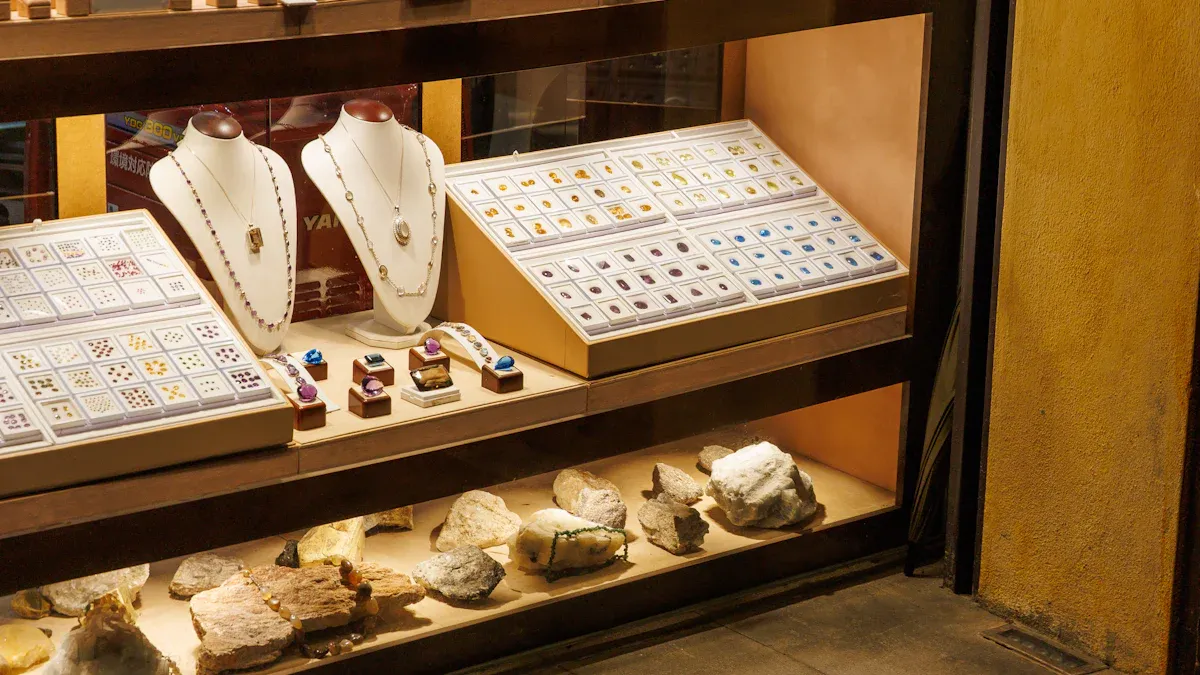
Jewelry retailers optimize your jewelry store by focusing on professional displays that drive sales and elevate the customer experience. A well-planned store layout eliminates congestion and encourages shoppers to explore, which increases the chances of impulse purchases. Retailers often see that wide aisles and clutter-free entrances make visitors comfortable and keep them engaged longer. Effective jewelry store layout uses displays like custom jewelry boxes, Jewelry Display stands, and Jewelry Pouch arrangements to highlight collections. Jewelry packaging from a trusted jewelry packaging manufacturer adds value to both the presentation and the overall store atmosphere. Store layout optimization relies on strategic placement of displays that showcase the best pieces while maintaining a seamless flow throughout the store.
Assessing Your Jewelry Store Layout for Optimization
Evaluating Current Store Space
Identifying Traffic Flow and Customer Pathways
A successful jewelry store layout begins with a clear understanding of how customers move through the space. Store owners should observe the natural flow from the entrance to key display areas. Strategic placement of displays can guide customers along intended pathways, ensuring they encounter featured collections and high-value pieces. Monitoring sales and traffic flow helps identify which areas attract the most attention and which sections customers tend to overlook.
Pinpointing Congested and Underutilized Areas
Congestion often occurs when displays block pathways or when too many fixtures cluster in one area. Overcrowding not only overwhelms customers but also lowers the perceived value of jewelry. On the other hand, underutilized areas represent missed opportunities for showcasing products. Store managers should regularly assess the layout to balance traffic flow and maximize every square foot. Common mistakes include ignoring customer flow, creating bottlenecks, and failing to adjust the layout as inventory changes.
Tip: Use floor markers or subtle décor elements to direct movement and prevent bottlenecks.
Analyzing Jewelry Inventory and Display Needs
Categorizing Jewelry Types and Quantities
A thorough inventory analysis ensures the layout supports both current stock and future collections. Grouping jewelry by type, style, or occasion simplifies the shopping experience and reduces decision fatigue. Store teams should track key metrics to optimize display strategies and inventory management.
| Metric | Description |
|---|---|
| Conversion Rate | Measures the percentage of visitors who make a purchase. |
| Average Order Value (AOV) | Indicates the average amount spent per transaction. |
| Gross Margin | Represents the difference between sales and the cost of goods sold. |
| Customer Acquisition Cost (CAC) | The cost associated with acquiring a new customer. |
| Inventory Turnover Rate | Shows how often inventory is sold and replaced over a period. |
| Sell-Through Rate | Evaluates the percentage of inventory sold within a specific timeframe. |
| GMROI | Measures profitability relative to inventory investment. |
| Aged Inventory Percentage | Tracks the portion of stock that has been in inventory for too long. |
Tracking these metrics helps retail professionals make informed decisions about which jewelry to feature and how to adjust the store layout for maximum impact.
Matching Display Requirements to Store Size and Shape
Display needs vary based on the size and shape of the store. Compact layouts benefit from vertical displays and wall-mounted fixtures, while larger spaces can accommodate freestanding cases and interactive zones. Matching display solutions to the store’s dimensions ensures every piece of jewelry receives proper attention without overcrowding the space.
Understanding Customer Behavior in Your Jewelry Store
Observing Shopping Patterns and Dwell Times
Research shows that store design elements such as lighting, color schemes, and spatial arrangement influence customer decision-making. Open and clear displays foster curiosity and engagement, while high-quality materials and thoughtful color choices communicate luxury. Store owners should observe where customers linger, which displays attract the most attention, and how long they spend in each area. Grouping jewelry by style or occasion and highlighting limited-edition pieces can motivate purchases and enhance the overall shopping experience.
Gathering Customer and Staff Feedback
Regular feedback from both customers and staff provides valuable insights into the effectiveness of the current layout. Staff members often notice recurring issues with traffic flow or display accessibility. Customers can share their impressions of the store’s ambiance and ease of navigation. By combining these observations with sales data, store managers can continuously refine the jewelry store layout to support both customer satisfaction and business goals.
Setting Clear Objectives for Jewelry Store Displays
Defining Sales and Merchandising Goals
Focusing on High-Value and New Jewelry Collections
Jewelry retailers must set clear sales and merchandising goals to maximize in-store conversion and drive revenue. A strong visual merchandising strategy begins with understanding the target audience and brand identity. Grouping jewelry by collection, theme, or price point simplifies the shopping process and increases product visibility. Retailers often create focal points to highlight standout pieces, using pristine cases and props to emphasize quality. Lighting and color psychology play a crucial role in drawing attention to high-value items.
Over 60% of purchase decisions are influenced by how products are showcased.
A jewelry store that revamped its visual merchandising displays saw a 21% improvement in walk-in-to-conversion ratio and an 18% increase in average ticket size. These results show the power of strategic visual merchandising in retail environments.
Promoting Customer Interaction and Try-On Opportunities
Effective merchandising encourages customer interaction. Jewelry stores can use open displays and accessible trays to invite customers to try on pieces. This approach not only enhances the customer experience but also increases the likelihood of purchase. Staff should guide shoppers naturally through the display, offering assistance and sharing product stories.
Enhancing Security Through Store Layout
Positioning Displays for Maximum Visibility
Security remains a top priority in jewelry retail. Poorly designed layouts can create blind spots and areas with insufficient lighting, making theft easier. Positioning high-value jewelry in well-lit, busy areas increases employee visibility and deters theft. Store layouts should maximize staff sightlines for effective monitoring.
- Place valuable items in high-traffic zones.
- Use physical barriers to restrict unauthorized access.
- Design fixtures to eliminate hidden corners.
Integrating Security Features into Display Cases
Jewelry display cases should integrate security features without sacrificing visual merchandising appeal. Built-in locks, alarms, and reinforced glass protect merchandise while maintaining product visibility. Staff training on security protocols further strengthens the overall strategy.
Strengthening Brand Image with Store Layout
Reflecting Brand Identity in Jewelry Displays
The layout of a jewelry store shapes its brand image and influences customer perception. Thoughtful visual merchandising communicates luxury and sophistication, building trust and reinforcing the brand’s identity. Consistent visual elements and cohesive themes help customers connect with the brand story.
Creating a Cohesive and Memorable Store Theme
A memorable store theme elevates the perceived value of jewelry and enhances the overall experience. Strategic zoning and display arrangement guide traffic flow and encourage exploration. Well-designed fixtures act as silent salespeople, supporting merchandising goals and increasing sales.
- Enhance customer experience by making products easy to find.
- Align fixtures with brand identity for a cohesive environment.
- Use visual merchandising to guide purchasing decisions.
Choosing Professional Jewelry Displays for Maximum Impact
Selecting Display Cases and Fixtures
Countertop, Tower, and Wall Display Cases
Jewelry stores achieve high-impact design by selecting the right display cases and fixtures. Countertop displays work well for impulse buys and special promotions. These fixtures encourage customer interaction and highlight featured jewelry. Wall-mounted displays utilize vertical space, creating a clean and organized visual presentation. Freestanding cases offer flexibility, allowing staff to showcase jewelry from multiple angles and adapt the layout as needed. Custom-built solutions reflect the brand identity and provide unique aesthetics for luxury jewelry displays.
Tip: Choose display cases that match the store’s size and style. Modular or wall-mounted options suit smaller spaces, while freestanding or custom cases enhance larger layouts.
| Type of Display Case | Description |
|---|---|
| Countertop Displays | Versatile fixtures that highlight impulse buys and special promotions, enhancing customer interaction. |
| Wall-Mounted Displays | Utilize vertical space effectively, creating a clean and organized presentation for jewelry. |
| Freestanding Cases | Flexible placement options that allow for showcasing products from multiple angles. |
| Custom-Built Solutions | Tailored to reflect brand identity, offering unique aesthetics and functionality. |
When selecting jewelry displays, store owners should consider material quality, size, style, and functionality. Metals suit modern, high-traffic environments. Wood fits vintage or eco-friendly brands. Acrylic offers transparency and enhances lighting. Fabric linings protect delicate jewelry. The right combination of these elements supports both aesthetics and operational efficiency.
Transparent Hanging Displays and Jewelry Walls
Transparent hanging displays and jewelry walls create a striking window display and maximize visibility. These displays allow natural light to enhance the sparkle of each piece. Jewelry walls organize collections by type or theme, making it easy for customers to browse. Transparent materials, such as acrylic, keep the focus on the jewelry while maintaining a modern, uncluttered look. These solutions work well for both luxury and fashion jewelry, adapting to different store styles.
Utilizing Jewelry Stands, Trays, and Holders
Necklace, Bracelet, Ring, and Earring Displays
Jewelry stands, trays, and holders play a vital role in retail display strategies. Necklace stands showcase statement pieces at eye level. Bracelet and ring holders keep items organized and accessible. Earring displays present pairs in a way that highlights their design and craftsmanship. Well-organized displays can increase sales by up to 25%. Stores with clearly defined sections attract 30% more shoppers.
| Material | Advantages | Disadvantages |
|---|---|---|
| Wood | Classic look, warmth | Can be costly |
| Acrylic | Lightweight, easy to clean | Scratches easily, glare issues |
| Velvet | Luxurious touch, prevents scratches | Attracts dust, maintenance needs |
The design of jewelry display trays impacts customer engagement. Varied heights and colors create a visual narrative that encourages exploration. Staff can use these jewelry display ideas to make the shopping experience more inviting and memorable.
Multi-Level and Nature-Inspired Jewelry Gardens
Multi-level displays add dimension and depth to the store layout. Nature-inspired jewelry gardens use organic shapes and materials to evoke a sense of luxury and tranquility. These displays support high-impact design by drawing attention to featured pieces and creating focal points throughout the store. Multi-level arrangements also help maximize limited space, ensuring every piece receives proper attention.
Incorporating Interactive and Motion Displays
Engaging Customers with Technology-Driven Displays
Interactive displays transform the retail jewelry experience. Technology-driven solutions, such as touchscreens or augmented reality mirrors, allow customers to explore collections and visualize pieces on themselves. These displays increase engagement and support the store’s visual presentation goals. Integrated lighting and motion sensors can highlight jewelry as customers approach, creating a dynamic and memorable shopping environment.
Encouraging Exploration with Rotating and Modular Displays
Rotating and modular displays encourage customers to interact with the jewelry. Rotating stands showcase multiple pieces in a compact space, making it easy for shoppers to view different angles. Modular displays offer flexibility, allowing staff to update layouts quickly for new collections or seasonal promotions. These solutions support ongoing innovation in display strategies and keep the store environment fresh.
Note: Customization features, such as adjustable compartments and integrated lighting, enhance both functionality and customer interaction.
Professional jewelry displays should align with the brand identity and target audience. Material selection, lighting, and customization features all contribute to a cohesive and effective retail environment. By investing in high-quality displays, store owners elevate the perceived value of their jewelry and create a lasting impression on customers.
Matching Displays to Jewelry Types and Store Style
Fine Jewelry vs. Fashion Jewelry Display Solutions
Jewelry stores must tailor their jewelry displays to the specific type of jewelry they offer. Fine jewelry requires a different approach than fashion jewelry. Fine jewelry often features precious metals and gemstones. These pieces demand displays that highlight their luxury and craftsmanship. Stores use high-quality materials such as crystal clear glass and premium woods to protect and showcase fine jewelry. Focused lighting enhances the sparkle of gemstones and increases perceived value. Display cases for fine jewelry tend to be larger, creating a sense of grandeur and exclusivity. Staff position these displays in high-traffic areas to attract attention and near seating to encourage customers to linger.
Fashion jewelry appeals to a broader audience and often features bold designs and vibrant colors. Stores use modular displays for fashion jewelry, allowing easy reconfiguration for new collections or promotions. Smaller cases and open trays encourage customer interaction and exploration. Retail environments benefit from displays at eye level, making it easy for shoppers to view and try on pieces. Security features remain important, but stores integrate them without compromising aesthetics.
| Factor | Fine Jewelry Display Approach | Fashion Jewelry Display Approach |
|---|---|---|
| Materials | Crystal clear glass, premium woods | Acrylic, metal, lightweight materials |
| Lighting | Focused spotlights, warm tones | Bright, colorful, adjustable lighting |
| Size and Shape | Larger cases, elegant shapes | Smaller, modular, playful shapes |
| Placement | High-traffic areas, near seating | Eye-level, open spaces, flexible placement |
| Ergonomics | Eye-level viewing, easy access | Accessible trays, interactive stands |
| Brand Consistency | Luxury branding, cohesive themes | Trend-driven, adaptable branding |
Tip: Stores should align their jewelry displays with the type of jewelry they sell. This approach ensures maximum impact and enhances the customer experience.
Custom and Themed Display Options
Custom and themed displays allow stores to express their brand identity and create memorable shopping experiences. Custom displays use unique materials, shapes, and finishes that reflect the store’s aesthetic. Stores often incorporate focused lighting to highlight gemstone sparkle and align display design with their brand’s visual identity. Modular displays offer flexibility, enabling staff to update layouts for seasonal promotions or new collections.
Themed displays create a cohesive atmosphere. Stores use nature-inspired elements, vintage motifs, or modern minimalism to reinforce their brand story. Positioning displays at eye level ensures optimal visibility and encourages customer interaction. Security features blend seamlessly into the design, protecting jewelry without detracting from the visual appeal.
- Incorporate focused lighting to highlight gemstone sparkle.
- Align display design with the store’s visual identity.
- Choose modular displays for easy reconfiguration.
- Include security features without compromising aesthetics.
- Position displays at eye level for optimal visibility.
Custom and themed jewelry displays elevate the perceived value of products and strengthen brand consistency. Stores that invest in these solutions create a cohesive customer experience and stand out in the competitive retail market.
Strategic Placement of Jewelry Displays in Your Store Layout
Guiding Customer Movement and Experience
Creating Clear Pathways and Focal Points
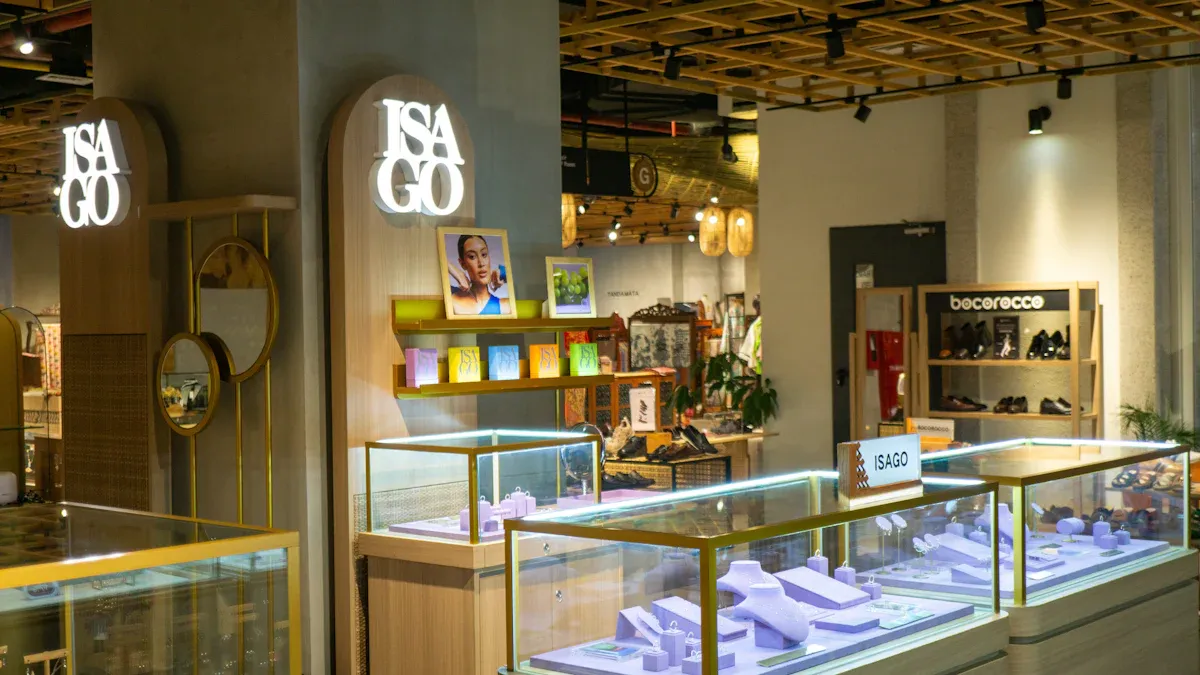
A jewelry store layout should guide the customer through a seamless journey. Clear pathways help maintain a smooth flow, preventing confusion and congestion. Merchandising experts recommend using focal points to draw attention to featured jewelry. These focal points can include illuminated display cases or unique décor elements that highlight new collections. Store owners often use clean and organized displays to enhance comfort and visibility. Easy accessibility encourages customers to interact with the jewelry, increasing the likelihood of a sale.
- Maintain tidy and organized displays for a professional look.
- Ensure displays are easy to access to promote customer interaction.
- Rotate displays regularly to keep the inventory fresh and engaging.
- Use clear signage and labels to help customers make informed decisions.
Placing Displays in High-Traffic and Eye-Level Areas
Strategic placement of displays in high-traffic zones maximizes exposure. Merchandising teams position best-selling jewelry at eye level, making it more likely to catch the customer’s attention. This approach supports the overall flow of the store and ensures that high-value pieces receive the visibility they deserve. The jewelry store layout should always prioritize customer engagement by placing interactive displays where shoppers naturally pause.
Maximizing Visibility and Accessibility
Avoiding Overcrowding and Ensuring Easy Access
A successful jewelry store layout avoids overcrowding. Too many displays in one area can overwhelm the customer and reduce the perceived value of each piece. Merchandising professionals recommend using negative space to allow each jewelry item to stand out. This method also makes it easier for customers to move through the store and interact with the displays.
Using Varying Heights and Angles for Visual Interest
Varying the height and angle of displays adds visual interest and supports a dynamic flow. Merchandising teams use lighting techniques, such as LED spotlights, to enhance the appeal of jewelry. Mirrors placed near displays allow customers to visualize how pieces look on them, boosting confidence and encouraging purchases.
| Evidence Type | Description |
|---|---|
| Effective Display Design | Utilizing negative space and lighting enhances customer engagement and sales. |
| Clutter Management | Avoiding overcrowded displays helps maintain focus on individual pieces, increasing perceived value. |
| Lighting Techniques | Proper lighting, such as LED or spotlights, makes jewelry more appealing and encourages purchases. |
| Use of Mirrors | Mirrors allow customers to visualize how jewelry looks on them, boosting confidence and sales. |
Utilizing Décor and Signage to Enhance Displays
Defining Store Zones with Décor Elements
Merchandising teams use décor elements to define different zones within the store. Modular display systems provide flexibility, allowing staff to update the layout for new collections or promotions. Effective lighting creates mood and highlights key jewelry pieces, supporting the overall strategic layout.
Implementing Clear Signage for Navigation
Clear and readable signage enhances branding and helps customers navigate the store. Well-designed window displays attract foot traffic by combining visual effects, proper lighting, and high-end jewelry displays. Signage should provide direction and reinforce the store’s identity, making the shopping experience both enjoyable and efficient.
Optimizing Lighting and Ambiance for Jewelry Displays
Highlighting Jewelry Features with Lighting
Using LED Spotlights and Task Lighting for Sparkle
Lighting plays a crucial role in elevating the perceived value of jewelry. LED spotlights and task lighting create sparkle and draw attention to unique features. Professional jewelry photography relies on these techniques to showcase craftsmanship and quality, evoking luxury and exclusivity. LED lighting offers energy efficiency and versatility, making it ideal for most jewelry displays. Halogen lighting, with its warmer tone, works well for highlighting gold and colored gemstones. The right lighting attracts potential buyers and influences purchasing decisions by making jewelry appear more vibrant.
Adjusting Lighting for Different Metals and Gemstones
Jewelry stores must tailor lighting to suit various metals and gemstones. Gold and rose gold shine under warm lighting, which enhances their natural warmth. Silver and platinum require cooler lighting to maintain their crisp appearance. Diamonds need bright, controlled illumination to maximize brilliance, while colored gemstones benefit from lighting that accurately represents their hues. Pearls and organic materials look best under soft, warm light. The table below summarizes optimal lighting conditions for different jewelry types:
| Jewelry Type | Optimal Color Temperature | Recommended CRI | Key Benefits |
|---|---|---|---|
| Gold and Rose Gold | 2700K – 3500K | 90+ | Enhances warmth and luxury appeal |
| Silver and Platinum | 4000K – 5000K | 95+ | Maintains true metallic appearance |
| Diamonds and Clear Stones | 5000K – 6500K | 95+ | Maximizes brilliance and fire |
| Colored Gemstones | 4000K – 5000K | 95+ | Accurate color representation |
| Pearls and Organic Materials | 3000K – 4000K | 90+ | Preserves natural luster and tone |
Creating an Inviting Store Atmosphere
Balancing Natural and Artificial Light Sources
A jewelry store benefits from a blend of natural and artificial light. Soft, elegant lighting creates an inviting ambiance. Comfortable seating encourages customers to spend more time browsing. Full-length mirrors and consultation tables enhance the shopping experience. Amenities such as sparkling water stations or coffee bars elevate the atmosphere. Private viewing rooms for high-value jewelry pieces add exclusivity.
Setting the Mood with Color Temperature and Ambiance
Lighting temperature shapes the mood in a jewelry store. Cooler temperatures imply precision and contemporary styling, appealing to modern customers. Warmer light fosters intimacy and classic elegance. Softer, warmer environments encourage customers to linger and browse. The strategic use of lighting types enhances the visual appeal of jewelry, creating a luxurious atmosphere.
Integrating Lighting with Display Cases and Fixtures
Built-In and Portable Lighting Solutions
Integrated lighting provides a clean, seamless look with hidden wires and optimal positioning for illumination. Add-on lighting offers flexibility for existing display cases and can be a cost-effective solution for updates. Jewelry stores often use both built-in and portable lighting solutions to adapt to changing displays and highlight new collections.
Enhancing Security and Visual Appeal with Lighting
Proper lighting can significantly impact customer engagement and sales. The right light makes diamonds sparkle and brings out the rich colors of gemstones, instantly capturing a customer’s attention.
Lighting also enhances security by increasing visibility and reducing blind spots. Jewelry stores use lighting to create a visually appealing environment that supports both security and merchandising goals. Integrated lighting with display fixtures ensures jewelry remains the focal point, attracting customers and encouraging interaction.
Maintaining Flexibility and Updating Your Jewelry Store Layout
Refreshing Displays and Store Layout Regularly
Rotating Featured Jewelry and Seasonal Promotions
Successful jewelry stores refresh their displays and layout frequently to maintain customer interest. Rotating featured jewelry aligns with key shopping seasons and keeps the store environment dynamic. Merchandising teams often introduce new collections or highlight seasonal promotions to maximize sales. Regular updates ensure that returning customers always find something new and engaging.
- Rotate jewelry collections to match holidays and special events.
- Update displays to reflect current trends and customer preferences.
- Use themed layouts to create excitement and boost foot traffic.
Updating Store Decor and Display Technologies
Modern jewelry stores invest in updated decor and advanced display technologies. These enhancements improve the overall layout and elevate the customer experience. Digital signage, interactive screens, and innovative lighting solutions help stores stand out in a competitive market. Upgrading display technologies also supports efficient layout changes and keeps the store visually appealing.
Monitoring Performance and Gathering Feedback
Tracking Sales by Display Location and Type
Store managers monitor performance by tracking sales data for each display location and type. This approach helps identify which displays drive the most engagement and sales. Inventory management software and regular stock audits ensure accurate tracking and efficient inventory turnover.
| KPI | Description |
|---|---|
| Visitor-to-Buyer Conversion Rate | Measures the percentage of visitors who make a purchase, crucial for assessing display effectiveness. |
| Average Order Value | Indicates the average amount spent per transaction, important for understanding sales performance. |
| Inventory Turnover Ratio | Reflects how quickly inventory is sold and replaced, essential for managing stock effectively. |
- Use inventory management tools to analyze sales patterns.
- Conduct regular audits to maintain inventory accuracy.
Soliciting Input from Staff and Customers
Staff and customer feedback provides valuable insights into the effectiveness of the store layout and displays. Employees often notice which areas attract the most attention or cause congestion. Customers can share their impressions of the store’s atmosphere and ease of navigation. Gathering this feedback allows managers to make informed adjustments to the layout and display strategy.
Staying Current with Jewelry Display Trends
Incorporating Innovative Display Solutions
Jewelry stores that embrace new trends in display design see increased customer engagement and sales. Advanced lighting enhances the appeal of jewelry and creates a memorable shopping experience. Interactive displays, both physical and digital, encourage customers to explore products more deeply. Strategic layout planning guides customer flow and maximizes visibility for key pieces.
- Use advanced lighting to highlight jewelry features.
- Apply psychological design principles to foster emotional connections.
- Introduce interactive displays for a hands-on experience.
- Plan the layout to optimize customer movement and engagement.
Adapting to Changing Customer Preferences
Flexibility remains essential for jewelry stores aiming to stay relevant. Managers keep tabs on market trends and attend trade shows to discover emerging styles. Monitoring customer preferences ensures that inventory and displays remain appealing. Custom display designs allow for quick adjustments based on store size, target audience, and brand aesthetics.
- Track market trends and customer feedback regularly.
- Attend industry events to stay informed about new display ideas.
- Use various display styles to keep the shopping experience fresh.
Creating a Memorable Jewelry Store Experience
Encouraging Customer Engagement with Displays
Providing Try-On Opportunities and Interactive Elements
A jewelry store creates a memorable experience by offering customers the chance to try on pieces. Staff members invite shoppers to interact with jewelry, which increases conversion and builds trust. Interactive displays, such as digital touchscreens, allow customers to explore collections and visualize jewelry on themselves. Advanced lighting techniques, including fiber optic lighting, enhance the visual appeal of jewelry and make each piece appear more lifelike. The store integrates discreet security features into display cases, ensuring customers feel comfortable while engaging with jewelry. These strategies encourage exploration and deepen connections between customers and products.
Tip: Staff should guide customers to try on jewelry and use interactive displays to personalize the shopping experience.
Designing Instagrammable and Shareable Display Areas
Modern jewelry stores recognize the importance of social media in shaping customer perceptions. They design display areas that encourage customers to take photos and share their experiences online. Thematic layouts create a narrative that resonates with shoppers, making each visit unique. Window display arrangements use striking visuals and luxury materials to attract attention from passersby. Stores incorporate mirrors, creative lighting, and elegant backdrops to make jewelry displays stand out in photos. These Instagrammable spaces increase brand visibility and attract new customers.
- Use mirrors and lighting to enhance jewelry sparkle in photos.
- Create themed display areas that tell a story.
- Position displays near window display zones for maximum exposure.
Elevating Perceived Value with High-End Displays
Using Quality Materials and Finishes
Luxury jewelry stores invest in high-end materials for their displays. They select premium woods, polished metals, and velvet linings to showcase jewelry. Quality finishes elevate the perceived value of each piece and reinforce the store’s brand identity. Lighting plays a crucial role in highlighting the craftsmanship and brilliance of jewelry. Stores use fiber optic lighting to create a sophisticated ambiance that appeals to discerning customers.
| Material | Benefit |
|---|---|
| Premium Wood | Adds warmth and elegance |
| Polished Metal | Reflects light, enhances shine |
| Velvet Lining | Protects jewelry, feels luxe |
Transforming Store Furniture and Fixtures
Store owners transform furniture and fixtures to match the luxury aesthetic. Custom display cases, modular shelving, and elegant seating areas create a cohesive environment. The store uses flexible layouts to adapt to new collections and seasonal promotions. High-end fixtures support the overall experience and make jewelry the focal point. Staff maintain displays regularly to ensure each piece remains pristine and inviting.
Note: Investing in quality furniture and fixtures helps stores stand out in a competitive market and supports long-term brand growth.
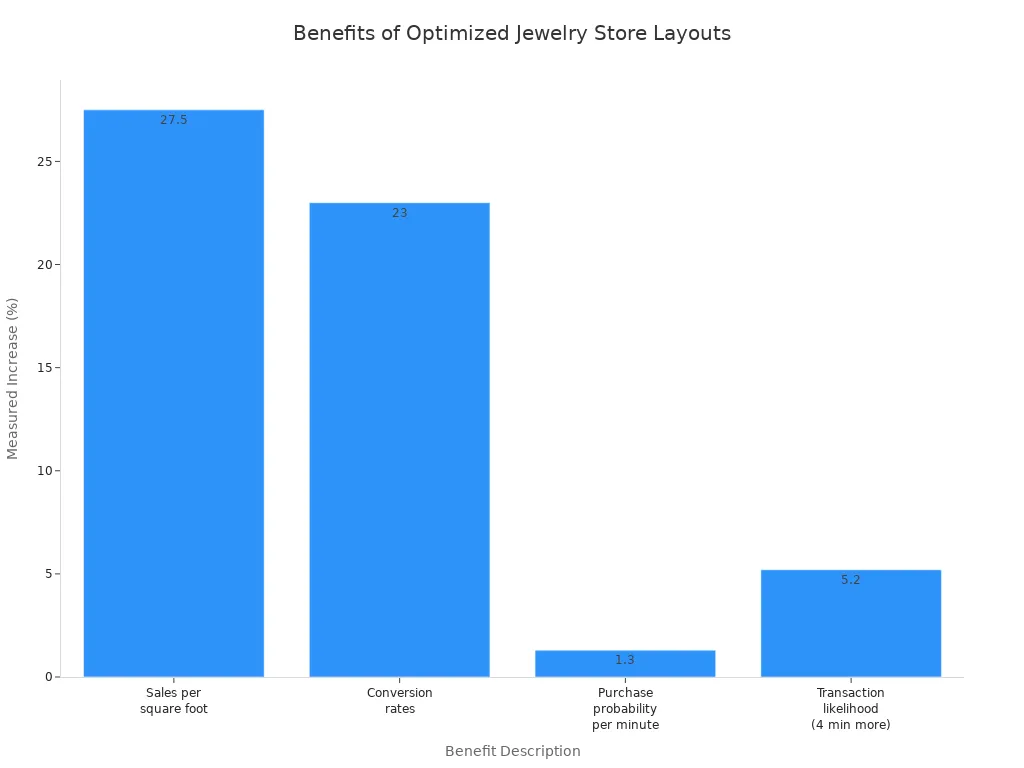
A well-optimized jewelry store layout uses professional displays to boost sales, enhance customer experience, and strengthen brand image. Retailers who refine their layout see measurable gains, including up to a 40% increase in sales per square foot and higher conversion rates.
Ongoing assessment keeps the jewelry store layout dynamic. Methods include analyzing sales, monitoring inventory turnover, and leveraging technology for real-time insights.
| Assessment Method | Description |
|---|---|
| Sales Analysis | Track sales data to identify trends and optimize layout. |
| Inventory Turnover | Monitor how quickly jewelry sells to adjust displays and stock. |
| Leveraging Technology | Use digital tools for actionable insights and layout improvements. |
Jewelry retailers who regularly update their store layout maintain a competitive edge and deliver a memorable shopping experience.
FAQ
What are the most effective types of jewelry displays for small stores?
Small stores benefit from vertical displays, wall-mounted cases, and modular fixtures. These options maximize space and keep the layout organized. Staff can easily update these displays to feature new collections or seasonal promotions.
How often should a jewelry store update its display layout?
Retail experts recommend updating displays every four to six weeks. Regular changes keep the store environment fresh and encourage repeat visits. Seasonal promotions and new arrivals also provide good opportunities for updates.
How does lighting impact jewelry sales?
Proper lighting enhances the brilliance of gemstones and metals. LED spotlights and task lighting make jewelry more attractive. Well-lit displays increase customer engagement and drive higher sales.
What security features should jewelry displays include?
Jewelry displays should use reinforced glass, built-in locks, and alarm systems. Staff training on security protocols also helps prevent theft. These features protect valuable inventory without sacrificing visual appeal.
How can a store create an inviting atmosphere for customers?
A store can use a mix of natural and artificial lighting, comfortable seating, and elegant décor. Inviting layouts encourage customers to browse longer and interact with jewelry displays.
Why is customer feedback important for store layout optimization?
Customer feedback reveals how shoppers experience the store. Staff can use this information to identify problem areas and improve navigation. Regular feedback ensures the layout meets customer needs and expectations.
What trends are shaping modern jewelry store displays?
Current trends include interactive displays, digital signage, and nature-inspired themes. Stores also use modular fixtures and advanced lighting to create dynamic, engaging environments.
How do professional displays support brand image?
Professional displays reflect the store’s brand identity through materials, finishes, and design. Consistent, high-quality displays build trust and reinforce the brand’s reputation for excellence.