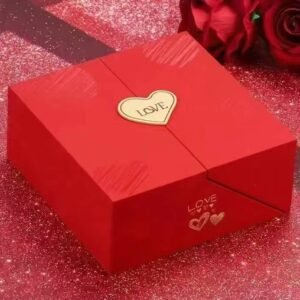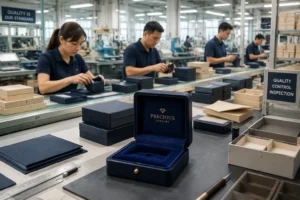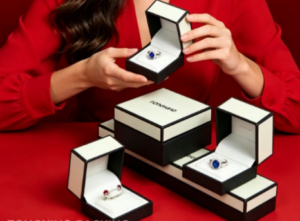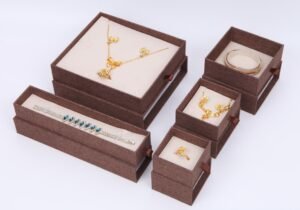
Selecting the right jewelry storage depends on priorities like durability, aesthetics, environmental impact, cost, and functionality. Wooden jewelry boxes offer sophistication and long-term protection, making them ideal for heirlooms and custom jewelry boxes. In contrast, paper jewelry boxes provide lightweight, eco-friendly solutions for jewelry packaging, especially when sourced from a reputable jewelry packaging manufacturer. A plastic jewelry box delivers affordability and versatility, often preferred for travel or Jewelry Display. For those valuing sustainability, paper options excel, while a Jewelry Pouch suits portable needs.
| Attribute | Wooden Jewelry Boxes | Paper Jewelry Boxes |
|---|---|---|
| Durability | More durable, ideal for heirlooms | Less durable, best for short-term use |
| Aesthetics | Elegant and sophisticated | Simple, often for branding |
| Environmental Impact | Less eco-friendly | Eco-friendly, often recycled |
| Cost | Higher price, luxury value | Affordable, budget-friendly |
| Functionality | Timeless, secure storage | Lightweight, portable |
Choosing the best jewelry box means weighing these factors against personal needs.
Wooden Jewelry Boxes
Durability and Longevity
Resistance to Wear and Tear
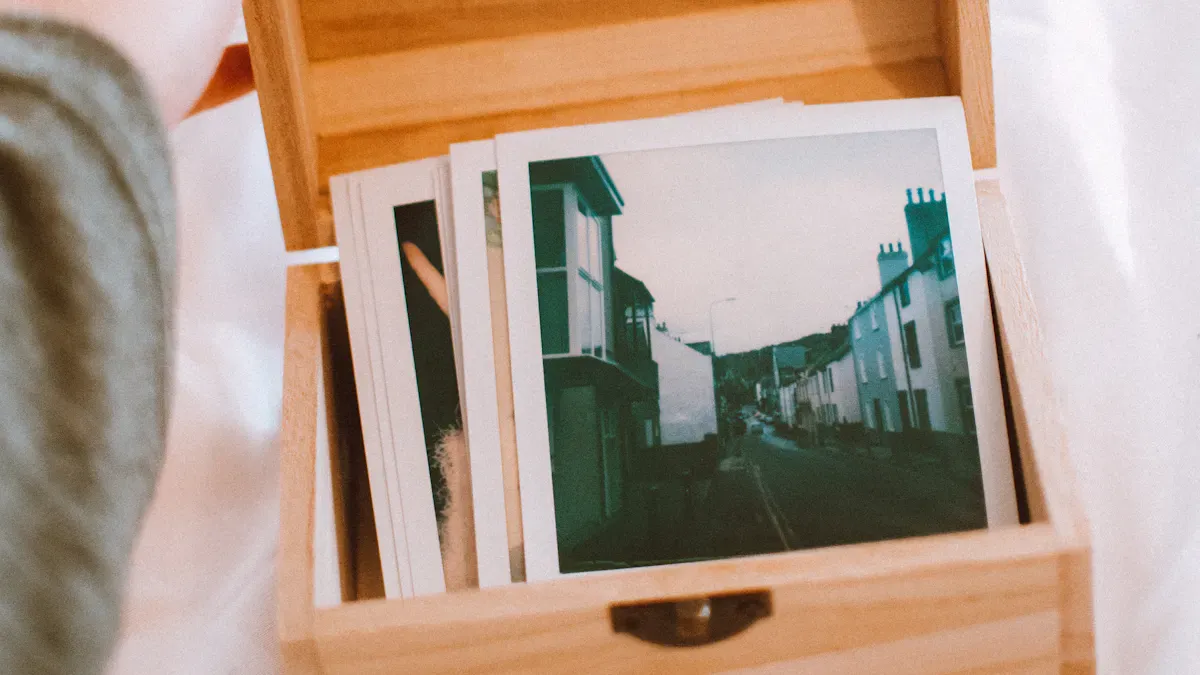
Wooden jewelry boxes stand out for their robust construction. They resist scratches and dents better than paper alternatives. Owners often notice that these boxes maintain their structure even after years of use. However, wood can react to moisture and heat. Proper care ensures the box remains in excellent condition. Many users choose wooden jewelry boxes for heirloom storage because of their reliable protection.
Longevity and Aging
Wooden jewelry boxes offer impressive durability and longevity. They often last for decades, especially when maintained properly. The following table compares the typical lifespan and durability ratings of wooden jewelry boxes with other materials:
| Material | Lifespan | Durability |
|---|---|---|
| Wooden | Decades | Sensitive to moisture and heat, requires care |
| Metal | Decades | Impact resistant, suitable for travel |
Wooden jewelry boxes age gracefully. Over time, the wood develops a patina, adding character and value. Many families pass these boxes down through generations, making them a timeless investment.
Aesthetics
Unique Grain Patterns
Each wooden jewelry box features distinct grain patterns. These natural variations create a unique look for every piece. Consumers appreciate the authenticity and warmth that wood provides. Natural wood finishes attract those who value traditional appeal. The beauty of wood lies in its ability to blend with both classic and modern décor.
Customization and Luxury Appeal
Wooden jewelry boxes offer extensive customization options. Artisans can carve intricate designs or add personalized touches. Many buyers seek boxes with bold colors or artistic patterns. Surveys show that 70% of consumers value aesthetics when choosing packaging. The following list highlights popular design preferences:
- Traditional designs reflect cultural heritage and craftsmanship.
- Modern designs cater to minimalist and functional preferences.
- Vintage designs appeal to consumers seeking unique, historical pieces.
- Compact designs are favored for practicality without sacrificing style.
Luxury appeal remains a strong factor. Wooden jewelry boxes often serve as statement pieces, elevating the presentation of valuable jewelry.
Environmental Impact
Sustainability of Materials
Sustainability matters when selecting jewelry storage. Many manufacturers source wood from responsibly managed forests. This practice reduces negative environmental impact and supports conservation efforts. Consumers increasingly demand products that align with eco-friendly values.
Biodegradability and Recycling
Wooden jewelry boxes offer advantages in biodegradability. Unlike plastic, wood decomposes naturally. Recycling options exist for wooden products, though some finishes may limit recyclability. Owners who prioritize sustainability matters often choose wooden jewelry boxes for their minimal environmental impact.
Cost
Price Range and Value
Wooden jewelry boxes often command a higher price compared to plastic or paper alternatives. This price difference reflects the craftsmanship, quality of materials, and durability that wood provides. While the average cost for plastic hinge jewelry boxes ranges from $2.00 to $4.50 per unit and paper jewelry boxes from $1.00 to $3.00 per unit, wooden jewelry boxes typically fall outside this lower price bracket. The actual price for wooden options varies widely based on size, wood type, and design complexity. Buyers can expect to pay more for handcrafted or luxury models.
Note: Investing in a wooden jewelry box means paying for both function and form. The initial cost may be higher, but the box often lasts much longer than cheaper alternatives.
A quick cost analysis shows that, although wooden jewelry boxes require a larger upfront investment, their durability and timeless appeal can offset the higher price over time.
Investment Perspective
Many people view wooden jewelry boxes as more than just storage—they see them as heirlooms or decorative pieces. The long-term value of these boxes comes from their ability to protect precious items for decades. Over time, a well-maintained wooden box can even appreciate in sentimental or monetary value, especially if it features unique craftsmanship or rare wood. Families often pass these boxes down through generations, making them a meaningful investment.
Functionality
Storage Capacity and Organization
Wooden jewelry boxes excel in organization and storage flexibility. Manufacturers design these boxes with a variety of compartments and features to suit different needs. The following table highlights common features and their benefits:
| Feature | Benefit |
|---|---|
| Small compartments | Organize rings, earrings, and delicate chains, keeping them separated and secure. |
| Large compartments | Store bracelets and necklaces, often with extra organization options. |
| Adjustable dividers | Allow users to customize storage as their jewelry collection grows or changes. |
| Multi-tier design | Maximize vertical space and keep frequently used items accessible. |
| Interior lining | Protect jewelry from scratches and damage. |
These features help users keep their jewelry organized, easy to find, and well-protected.
Security Features
Security remains a top priority for those storing valuable jewelry. Wooden jewelry boxes often include sturdy hinges, reliable closures, and sometimes even locks. High-quality joinery and solid construction add an extra layer of protection. A smooth finish not only enhances appearance but also shields the box from moisture and wear. Heavier boxes provide stability, making them less likely to tip over or be easily moved.
Tip: For those seeking both security and elegance, wooden jewelry boxes offer a blend of robust protection and classic style.
Plastic Jewelry Box
Durability and Longevity
Resistance to Damage
Plastic jewelry boxes offer impressive resistance to physical damage. They withstand drops, impacts, and daily handling better than paper alternatives. Many users choose these boxes for travel or busy environments because plastic does not dent or warp easily. Unlike wood, plastic resists moisture and humidity, making it suitable for bathrooms or humid climates. Scratches may appear over time, but the structure remains intact.
Maintenance and Lifespan
Maintaining a plastic jewelry box requires minimal effort. Owners can clean the surface with a damp cloth, and the material does not absorb stains or odors. The average lifespan of a plastic jewelry box ranges from several years to over a decade, depending on the quality of the plastic and frequency of use. While plastic does not age with the same elegance as wood, it retains its shape and function for a long period.
Aesthetics
Color and Design Variety
Manufacturers produce plastic jewelry boxes in a wide range of colors and designs. Shoppers can find options in vibrant hues, transparent finishes, or subtle pastels. This variety allows individuals to match their storage with personal style or room décor. Some boxes feature decorative patterns, metallic accents, or even embedded glitter for a playful touch.
Modern vs. Classic Looks
Plastic jewelry boxes often appeal to those who prefer modern aesthetics. Sleek lines, geometric shapes, and minimalist designs dominate the market. However, some models mimic classic styles, offering faux wood finishes or vintage-inspired details. This flexibility makes plastic a popular choice for both contemporary and traditional tastes.
Environmental Impact
Production Footprint
The production of plastic jewelry boxes has a significant environmental impact. Manufacturing plastic requires fossil fuels and high energy input, resulting in a high carbon footprint. The process generates greenhouse gas emissions and contributes to ocean pollution. The following table compares key environmental factors between plastic and rigid (often paper-based) boxes:
| Environmental Factor | Plastic | Rigid Boxes |
|---|---|---|
| Recycling rate | 9% | 70%+ |
| Biodegradation time | 400+ years | 2-6 months |
| Carbon footprint | High | Lower |
| Ocean pollution | Severe | Minimal |
| Renewable source | No | Yes (trees) |
| Energy for recycling | High | Low |
Note: Plastic jewelry boxes persist in landfills for centuries, while rigid boxes decompose much faster.
Recyclability and Disposal
Recycling rates for plastic jewelry boxes remain low, with only about 9% entering recycling streams. Most end up in landfills or contribute to ocean pollution. Disposal poses challenges because plastic takes over 400 years to break down. Although some manufacturers use recycled plastics, the overall impact remains concerning. Consumers who prioritize sustainability may want to consider alternatives with higher recycling rates and lower environmental costs.
Cost
Affordability
Plastic jewelry boxes stand out for their affordability. Manufacturers produce these boxes using cost-effective materials and streamlined processes. As a result, shoppers often find plastic options at a fraction of the price of wooden or metal alternatives. Retailers offer a wide range of sizes and styles, making it easy for buyers to select a box that fits their budget. Many consumers appreciate the ability to purchase multiple boxes for different uses, such as travel, display, or everyday storage, without a significant financial commitment.
Tip: For those seeking a practical solution for organizing jewelry collections without overspending, plastic jewelry boxes provide excellent value.
Long-Term Value
While plastic jewelry boxes cost less upfront, their long-term value depends on several factors. High-quality plastic resists cracking and fading, allowing the box to maintain its appearance and structure over time. Many users report satisfaction with the durability and reliability of these boxes, especially when used for travel or in environments where moisture is a concern. However, plastic does not develop a patina or increase in sentimental worth like wood. Instead, its value lies in consistent performance and low maintenance requirements. For buyers who prioritize function over tradition, plastic jewelry boxes deliver dependable storage and protection for years.
Functionality
Portability
Plastic jewelry boxes excel in portability. Their lightweight construction makes them easy to carry in handbags, suitcases, or backpacks. Travelers often choose plastic boxes because they do not add unnecessary weight and can withstand the rigors of movement. The compact design of many models ensures that jewelry remains organized and secure during transit. Students, professionals, and frequent travelers benefit from the convenience of portable storage.
Special Features
Manufacturers design plastic jewelry boxes with a focus on functionality and protection. Many models include adjustable compartments, snap closures, and transparent lids for easy viewing. Some boxes feature built-in mirrors or removable trays, enhancing usability. The following table highlights the most valued features according to user reviews and product analyses:
| Feature | Description |
|---|---|
| Durability | The material withstands daily wear and environmental stressors without losing integrity. |
| Protection | Provides a barrier against moisture, preventing tarnishing of jewelry. |
| Organization | Offers various sizes and configurations for effective storage solutions. |
| Aesthetic Appeal | Can mimic high-end materials, providing a premium look at a lower cost. |
| Portability | Lightweight design makes it ideal for travel and on-the-go use. |
| Easy Maintenance | Simple to clean and maintain, ensuring longevity and user satisfaction. |
These features make plastic jewelry boxes a popular choice for those who value convenience and versatility. The combination of thoughtful design and practical materials ensures that users enjoy both style and substance in their storage solutions.
Paper Jewelry Boxes
Durability and Longevity
Strength and Protection
Paper jewelry boxes provide basic protection for jewelry items. Manufacturers use rigid cardboard or specialty paperboard to create sturdy walls. These boxes can withstand light pressure and stacking during shipping or retail display. Many retailers select paper jewelry boxes for their ability to keep jewelry safe from dust and scratches. Some models include soft inserts or padding, which adds another layer of protection for delicate pieces.
Vulnerability to Moisture and Damage
Despite their strength, paper jewelry boxes remain vulnerable to moisture and physical damage. Water exposure can weaken the structure and cause warping or discoloration. Heavy impacts may crush the box or deform its shape. Retailers often recommend storing paper jewelry boxes in dry environments. For long-term storage, users should avoid humid areas and direct contact with liquids.
Aesthetics
Design Flexibility
Paper jewelry boxes offer unmatched design flexibility. Brands can select from a wide range of shapes, sizes, and finishes. Matte finishes have become a significant trend in luxury packaging. These surfaces convey elegance and sophistication, which appeals to premium brands. The tactile experience of matte textures enhances consumer engagement and brand recall. Many consumers associate matte finishes with durability and craftsmanship, which positively influences their perception of quality.
- Common design options for paper jewelry boxes include:
- Embossed logos or patterns
- Custom die-cut shapes
- Window cutouts for product display
- Ribbon or magnetic closures
Custom Printing and Branding
Paper jewelry boxes excel in custom printing and branding opportunities. Companies can print vibrant colors, intricate graphics, or detailed brand messages directly on the surface. This capability allows brands to reinforce their identity and create memorable unboxing experiences. Many jewelry businesses use paper jewelry boxes as a canvas for storytelling, seasonal promotions, or limited-edition collections. The flexibility in design helps brands stand out in a competitive market.
Environmental Impact
Eco-Friendliness
Paper jewelry boxes represent an eco-friendly choice for jewelry packaging. Traditional jewelry boxes often use non-biodegradable materials, which raises environmental concerns. In contrast, eco-friendly jewelry boxes decompose naturally, minimizing landfill impact. Many manufacturers use recycled paper or certified sustainable sources, which further reduces the environmental footprint.
Compostability and Recycling
Paper jewelry boxes support compostability and recycling efforts. Consumers can dispose of these boxes in compost bins, where they break down within months. Recycling facilities accept most paper jewelry boxes, allowing them to be repurposed into new products. This process reduces waste and conserves resources. Many brands highlight these features to appeal to environmentally conscious shoppers.
Tip: Choosing paper jewelry boxes aligns with sustainability goals and supports a circular economy.
Cost
Budget Options
Paper jewelry boxes offer some of the most affordable solutions for jewelry packaging. Bulk buyers often select basic unbranded small boxes, which cost between $0.50 and $1.20 each when ordering 500 units or more. Retailers seeking a more premium look can choose thermoformed boxes with custom printing, priced from $1.50 to $3.00 each. Custom-designed boxes with inserts, which provide added protection and branding, range from $3.00 to $6.00 or more per unit. This wide price range allows businesses to match their packaging to their budget and brand image.
| Type of Box | Price Range (Bulk) |
|---|---|
| Basic unbranded small boxes (3″ x 3″) | $0.50–$1.20 each (500+ units) |
| Premium thermoformed with printing | $1.50–$3.00 each |
| Custom-designed boxes with inserts | $3.00–$6.00+ |
Paper jewelry boxes remain a top choice for brands that need cost-effective packaging for large quantities. The low entry price makes them accessible for small businesses and startups.
Cost vs. Quality
While paper jewelry boxes excel in affordability, quality varies based on materials and design. Basic models provide essential protection for rings or earrings but may lack durability for long-term use. Premium options, which include custom inserts or specialty finishes, offer better protection and a more luxurious feel. Buyers should balance their need for budget-friendly packaging with the level of protection and presentation required for their jewelry. Investing in higher-quality paper jewelry boxes can enhance the customer experience and reinforce brand value.
Tip: For special occasions or high-value items, select custom-designed paper jewelry boxes with inserts to ensure both protection and a memorable unboxing.
Functionality
Lightweight and Compactness
Paper jewelry boxes stand out for their lightweight and compact design. Retailers and consumers appreciate how easy these boxes are to transport and store. Their small size makes them ideal for shipping, reducing overall logistics costs. Customers can carry them in handbags or pockets without adding bulk. This portability benefits both jewelry brands and end users who value convenience.
Best Use Cases
Paper jewelry boxes serve a variety of purposes in the jewelry industry. They work especially well for gift-giving, retail display, and event promotions. Many brands use them for proposals or special occasions, where the emotional impact of the presentation matters. The following table summarizes the main advantages and limitations of paper jewelry boxes for different scenarios:
| Advantages | Limitations |
|---|---|
| Purpose-built for ring protection | Limited to ring-sized items |
| Compact and portable | Smaller branding space |
| High emotional impact (e.g., proposals) | Precision fitting required |
| Cost-Effective | Limited Durability |
| Lightweight | Environmental Concerns |
| Customizable |
Paper jewelry boxes provide a customizable and cost-effective solution for brands that prioritize presentation and portability. However, they may not suit long-term storage or protection for larger jewelry pieces.
Side-by-Side Comparison Table
Durability and Longevity
Jewelry box materials differ greatly in their ability to withstand daily use and protect valuable items. The table below summarizes how wooden, plastic, and paper jewelry boxes perform in terms of durability and longevity:
| Material | Durability | Lifespan | Maintenance Needs |
|---|---|---|---|
| Wooden | High resistance to wear, sensitive to moisture | Decades with care | Occasional polishing, avoid humidity |
| Plastic | Good impact resistance, prone to scratches | 5–15 years | Easy to clean, minimal upkeep |
| Paper | Basic protection, vulnerable to water | Months to a few years | Keep dry, avoid crushing |
Wooden jewelry boxes offer the best long-term protection. Many families keep them for generations. Plastic boxes provide reliable storage for everyday use and travel. Paper boxes work well for short-term needs, such as gift packaging or retail display.
Tip: For heirloom jewelry or items with sentimental value, a wooden box ensures lasting protection.
Aesthetics
The visual appeal of a jewelry box often influences the buying decision. Each material brings unique design possibilities and limitations:
| Material | Visual Appeal | Customization | Typical Uses |
|---|---|---|---|
| Wooden | Natural grain, classic elegance | Carving, staining, inlays | Heirlooms, luxury gifts |
| Plastic | Wide color range, modern look | Molded shapes, transparent options | Travel, casual storage |
| Paper | Matte or glossy finishes, lightweight | Full-color printing, embossing | Branding, gift packaging |
Wooden boxes attract those who appreciate craftsmanship and timeless style. Plastic boxes appeal to buyers who want vibrant colors or modern shapes. Paper boxes excel in branding and creative presentation, especially for special occasions.
Environmental Impact
The environmental footprint of jewelry boxes depends on material sourcing, production, and end-of-life disposal. Life cycle analyses (LCA) help compare the impacts of paper and plastic, though data for wooden boxes remains limited. Key factors include carbon emissions, fossil fuel use, and water consumption.
- LCA studies show that:
- Paper jewelry boxes often use recycled or certified materials, supporting composting and recycling.
- Plastic jewelry boxes require fossil fuels and energy-intensive manufacturing, leading to higher carbon emissions and long decomposition times.
- Wooden jewelry boxes may offer sustainability benefits if sourced from responsibly managed forests, but comprehensive LCA data is lacking.
Note: Brands and consumers seeking eco-friendly options often choose paper jewelry boxes for their lower environmental impact and recyclability.
A thoughtful choice considers not only the look and function but also the environmental consequences of each material.
Cost
The cost of a jewelry box often influences the final decision for buyers. Wooden jewelry boxes usually command a higher price at the outset. Manufacturers select premium materials and invest in craftsmanship, which increases the initial expense. Many buyers view this cost as justified because wooden boxes offer exceptional strength and longevity. These boxes frequently become family heirlooms, serving generations and maintaining their value over time. The durability of wood reduces the need for frequent replacements, making it a wise investment for those who prioritize long-term value.
Plastic jewelry boxes present a more affordable option. Manufacturers produce these boxes in large quantities, which lowers production costs. Buyers often choose plastic for its versatility and budget-friendly price. However, plastic boxes typically have a shorter lifespan compared to wood. Frequent use can lead to scratches, cracks, or fading. Many buyers replace plastic boxes more often, which increases long-term expenses. Despite the lower initial cost, plastic may not provide the same value as wood in the long run.
Paper jewelry boxes offer the most economical solution. Brands and retailers select paperboard for its low price and lightweight design. These boxes work well for gift packaging or short-term storage. However, paper lacks durability. Exposure to moisture or heavy handling can damage the box quickly. Buyers often replace paper jewelry boxes after a few uses, which adds to the overall cost if frequent replacements become necessary.
Tip: Buyers seeking a balance between price and durability should consider their intended use. Wooden boxes suit those who want lasting value, while plastic and paper boxes fit short-term needs or tight budgets.
A comparison of cost and value highlights the differences among materials:
- Wood: Offers exceptional strength and longevity, making it a premium choice for jewelry boxes.
- Cardboard (Paperboard): Economical but less durable, often requiring replacement.
- Plastic: Affordable and versatile, but typically has a shorter lifespan compared to wood.
The initial purchase price varies widely. Wooden jewelry boxes often cost more than $20 per unit, depending on size and design. Plastic boxes range from $2 to $10, while paper boxes can cost less than $2 each in bulk. Buyers must weigh the upfront cost against the frequency of replacement and the value provided over time.
Note: Investing in a wooden jewelry box may seem expensive at first, but the long-term savings and sentimental value can outweigh the initial price.
How to Choose the Right Jewelry Box
Assessing Your Priorities
Durability Needs
Individuals seeking jewelry storage must evaluate how much protection their collection requires. Wooden boxes deliver robust durability and withstand decades of use. Plastic boxes resist impacts and moisture, making them suitable for frequent handling. Paper boxes offer basic protection but remain vulnerable to water and crushing. Preservation experts recommend choosing materials that match the longevity expectations for jewelry storage solution.
Style Preferences
Aesthetic appeal plays a significant role in selecting a jewelry box. Wooden boxes feature natural grain and classic elegance, which complement traditional décor. Plastic boxes provide vibrant colors and sleek designs for modern tastes. Paper boxes allow for creative branding and custom finishes, making them ideal for gift packaging or retail display.
Environmental Concerns
Eco-conscious buyers should look for certifications such as FSC for responsibly sourced paper, GOTS for organic fabrics, and RJC for ethical jewelry components. Paper jewelry boxes often support composting and recycling. Wooden boxes sourced from managed forests offer sustainability benefits. Plastic boxes have a higher environmental footprint, so buyers may prefer recycled options.
Budget Constraints
Budget influences the choice of jewelry storage. Wooden boxes command higher prices due to craftsmanship and materials. Plastic boxes offer affordability and versatility. Paper boxes provide cost-effective solutions for bulk purchases or short-term use. Buyers must balance price with quality and intended use.
Storage Requirements
The volume and type of jewelry determine the best box. Experts advise selecting a box with compartments to prevent tangling and scratching. Velvet-lined or felt-lined interiors protect delicate pieces. Anti-tarnish fabrics and silica gel packets help preserve metals and gemstones. Size and capacity should reflect the collection to avoid overcrowding.
Decision Checklist
Quick Reference Guide
| Priority | Best Material Choice |
|---|---|
| Long-term durability | Wood |
| Modern design | Plastic |
| Eco-friendly packaging | Paper |
| Budget-friendly | Paper/Plastic |
| Luxury presentation | Wood |
| Travel portability | Plastic/Paper |
Tip: Match the material to your top priority for the most effective jewelry storage solution.
Common Scenarios and Recommendations
For Gift-Giving
Paper jewelry boxes excel in gift-giving scenarios. They offer cost-effective packaging and versatile finishes for branding. Many retailers select paperboard for general and mid-level markets.
For Travel
Plastic jewelry boxes suit travel needs. Their lightweight construction and impact resistance protect jewelry during transit. Mass-market boxes often use plastic for portability and modern style.
For Long-Term Storage
Wooden jewelry boxes provide the best protection for heirlooms and valuable collections. Preservation experts recommend felt-lined interiors and anti-tarnish fabrics. Avoid cardboard or particleboard for long-term storage, as these materials can promote tarnish.
For Eco-Conscious Buyers
Paper jewelry boxes with FSC certification and wooden boxes from managed forests align with sustainability goals. Buyers should seek eco-labels and recycled materials to minimize environmental impact.
Wooden jewelry boxes deliver unmatched durability and timeless elegance. Plastic options provide affordability and versatility. Paper boxes excel in eco-friendliness and branding. Industry experts recommend focusing on material quality, style, sustainability, and functionality:
| Factor | Recommendation |
|---|---|
| Durability | Choose high-quality materials for longevity. |
| Aesthetics | Select styles that match personal taste. |
| Environmental Impact | Support eco-friendly brands and materials. |
| Cost | Invest in one durable box rather than several cheap ones. |
| Functionality | Ensure storage meets current and future needs. |
Consumers increasingly value sustainability, tactile experiences, and personalization. Prioritizing individual needs ensures the best jewelry storage solution.
FAQ
What jewelry box material lasts the longest?
Wooden jewelry boxes last the longest. They resist wear and aging when cared for properly. Many families keep wooden boxes for generations. Plastic boxes offer moderate durability. Paper boxes suit short-term use.
Are paper jewelry boxes safe for valuable jewelry?
Paper jewelry boxes protect jewelry during shipping or gifting. They do not provide long-term security for valuable pieces. Moisture and pressure can damage them. For heirlooms, experts recommend wooden or plastic boxes.
Which jewelry box is best for travel?
Plastic jewelry boxes work best for travel. They resist impacts and moisture. Their lightweight design fits easily in luggage. Paper boxes suit short trips. Wooden boxes offer less portability due to weight.
How can someone clean a wooden jewelry box?
A person should use a soft, dry cloth to remove dust. For deeper cleaning, a slightly damp cloth works well. Avoid harsh chemicals. Regular polishing maintains the wood’s finish and appearance.
Do plastic jewelry boxes harm the environment?
Plastic jewelry boxes have a higher environmental impact. Most plastics come from fossil fuels. Recycling rates remain low. Eco-conscious buyers should consider recycled plastic or choose paper or wood from sustainable sources.
Can jewelry boxes be customized for branding?
Manufacturers offer extensive customization. Paper boxes allow full-color printing and embossing. Wooden boxes support engraving and inlays. Plastic boxes provide molded shapes and color options. Brands often use these features for marketing.
What is the average price range for each type?
Wooden jewelry boxes usually cost $20 or more. Plastic boxes range from $2 to $10. Paper boxes cost less than $2 each in bulk. Customization and size affect the final price.
Are there eco-friendly options for jewelry boxes?
Eco-friendly options include paper boxes made from recycled materials and wooden boxes from certified forests. Some manufacturers use recycled plastics. Buyers should look for certifications like FSC or recycled content labels.