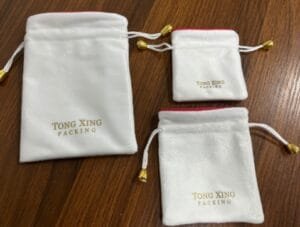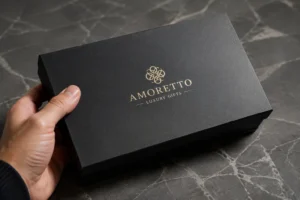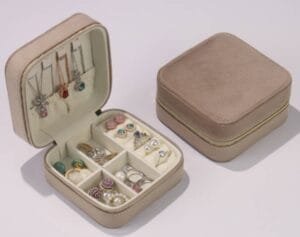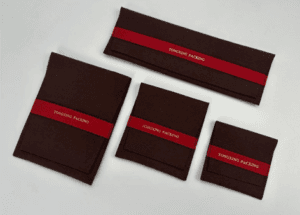
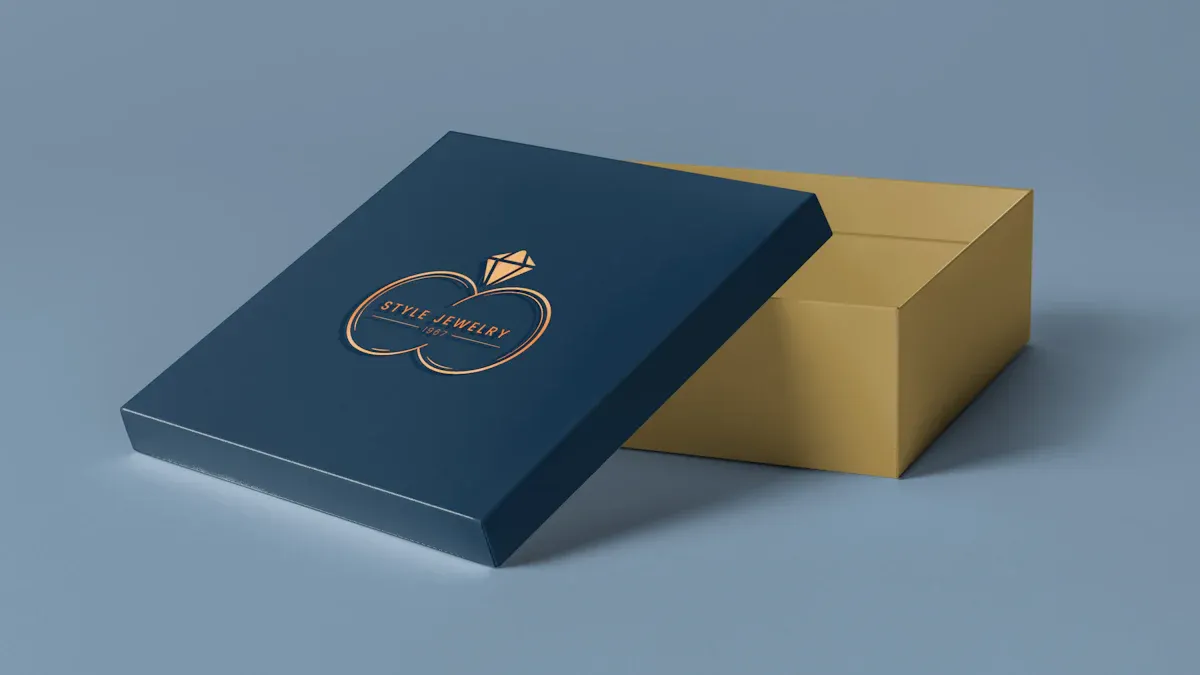
Innovative opening mechanisms transform every package into a memorable unboxing experience. Brands use custom jewelry boxes and jewelry packaging to create anticipation, often partnering with a jewelry packaging manufacturer for unique designs. Improved packaging design, including features like a Jewelry Display or a Jewelry Pouch, strengthens brand recall and reduces complaints. Sustainable packaging cues influence purchasing decisions, especially among younger consumers. Thoughtful packaging design fosters emotional connections and encourages customers to share their experiences online, helping brands stand out in a crowded market.
- Brands create memorable moments through thoughtful packaging design.
- Unboxing videos showcase anticipation and excitement, driving organic brand marketing.
- Packaging serves as a storytelling tool, communicating brand values and enhancing perceived value.
Why the Unboxing Experience Matters
Impact on Customer Satisfaction
Emotional Connection
Brands recognize that packaging design plays a crucial role in shaping the customer experience. When a package arrives, the unboxing experience can create emotions that linger long after the product is in use. Customers often feel excitement and anticipation as they open a thoughtfully designed box. Great packaging delivers an unforgettable moment, which can enhance loyalty and retention. Unboxing serves as the final touchpoint between the brand and the customer, making it a powerful marketing tool.
| Evidence | Description |
|---|---|
| 72% of consumers | A survey found that 72% of consumers’ purchasing decisions are influenced by a package’s design. |
| 40% of online shoppers | A study found that 40% of online shoppers would share an image of their purchase on social media if it came in branded packaging. |
| 45% of customers | A study found that 45% of customers believe gift-like packaging makes the product seem more upscale. |
These findings highlight how packaging design directly impacts satisfaction and shapes perceptions of value.
First Impressions
First impressions matter in every interaction. When customers receive a product, the packaging sets expectations for quality and care. A well-designed box signals attention to detail and professionalism. Many customers judge the product and the brand based on the initial look and feel of the packaging. Brands that invest in creative opening mechanisms often see higher satisfaction rates and fewer complaints. The unboxing experience becomes a memorable introduction, influencing how customers view the brand.
Influence on Brand Perception
Brand Differentiation
Packaging design helps brands stand out in a crowded market. Unique opening mechanisms and premium materials distinguish one brand from another. Neurological tests conducted by the University of North Carolina at Charlotte revealed that certain packaging designs stimulate up to 50% more brain activity in areas associated with positive brand associations. This increased engagement strengthens brand recall and encourages repeat purchases. Brands that prioritize innovative packaging create lasting impressions and build stronger relationships with their customers.
Word-of-Mouth and Social Sharing
Customers often share their unboxing moments online, especially when the packaging feels special. Research by Sealed Air indicates that 8% of shoppers would completely sever ties with a retailer after receiving a poorly packaged item. This statistic underscores the importance of packaging in maintaining customer relationships. When brands deliver exceptional packaging, customers become advocates, posting images and videos that reach new audiences. Word-of-mouth and social sharing amplify the brand’s message and drive organic growth.
Smart Product Packaging Design and Opening Mechanisms
Layered Reveals and Multiple Reveals
Sequential Unboxing
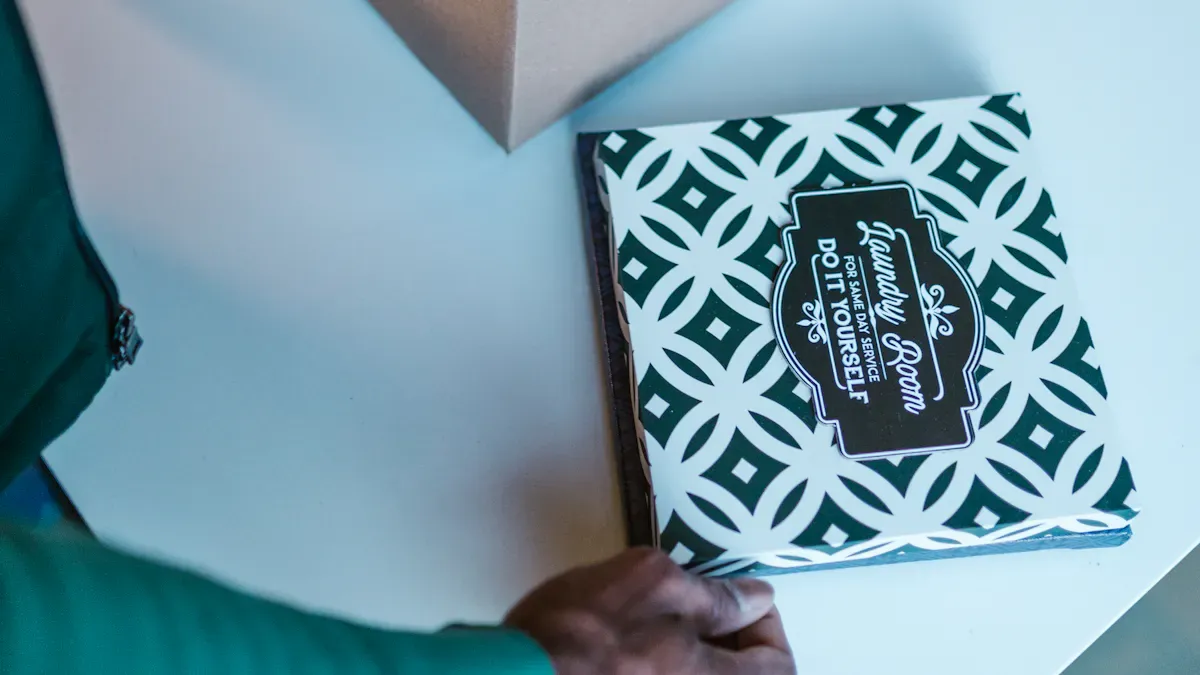
Smart product packaging design often begins with the concept of layered reveals. Brands use this approach to create a sense of depth and dimension, transforming the unboxing experience into a journey rather than a single moment. Each layer offers a new visual or tactile element, guiding the customer through a series of reveals. This layered experience can feel similar to opening a Russian nesting doll, where each step uncovers something new and unexpected. Techniques such as die-cut shapes and custom inserts add interactive elements, surprising consumers and keeping them engaged throughout the process.
- Layered reveals add depth and dimension, making the packaging more engaging.
- Interactive elements, such as die-cut shapes, surprise consumers during unboxing.
- The layered experience increases anticipation and excitement, encouraging customers to share their journey online.
Hidden Compartments
Multiple reveals often include hidden compartments that elevate the sense of discovery. Brands design these compartments to hold accessories, product literature, or exclusive gifts. This approach creates ‘wow moments‘ that resonate with both influencers and everyday consumers. Custom inserts and on-brand messaging within these compartments enhance the overall layered experience, making the unboxing process memorable and shareable.
- Hidden compartments provide additional reveals, increasing engagement.
- On-brand messaging and custom inserts make the experience unique and memorable.
- Multiple reveals encourage social sharing, amplifying brand visibility.
Magnetic Closures
Smooth Opening Action
Magnetic closures have become a hallmark of premium packaging. Rigid boxes with magnetic closures offer exceptional durability and protection, especially for high-value items. The smooth opening action delivers an effortless experience for the consumer, elevating the perceived value of the product. Magnetic closures ensure that packaging remains securely closed during transit, reducing the risk of damage and building customer trust.
- Rigid boxes with magnetic closures provide superior protection for luxury products.
- The seamless and effortless experience enhances customer satisfaction.
- Secure closures minimize the risk of product damage during shipping.
Premium Feel
The luxurious aesthetic of magnetic closures aligns with high-end branding and attracts consumer attention. Brands can customize these closures in size, shape, and color, allowing for a tailored look that reflects their identity. The modern appearance of magnetic closures enhances the overall presentation, making products appear more exclusive and desirable. Many consumers associate this type of closure with quality and sophistication, which can lead to increased brand loyalty.
Magnetic closures not only improve the visual appeal but also demonstrate a commitment to sustainability by reducing waste. This eco-friendly solution appeals to environmentally conscious customers and reinforces a brand’s dedication to responsible practices.
Pull Tabs and Tear Strips
Effortless Access
Pull tabs and tear strips simplify the process of opening packages. Packages that are difficult to open can cause frustration or even injury. Easy-pull tabs along sealed edges reduce the time and effort required to access the product, ensuring a positive first impression. These features eliminate the need for scissors and provide clear instructions or visual prompts, guiding the customer through the unboxing process.
- Pull tabs and tear strips remove the need for additional tools.
- Visual prompts make the unboxing process intuitive and user-friendly.
Satisfying Interaction
Tear strips in poly mailers create a distinctive rip sound that many consumers find satisfying. This sensory detail resonates with social media users, enhancing the overall unboxing experience and making it more likely to be shared online. The combination of effortless access and a satisfying interaction turns a simple task into a memorable moment.
- The rip sound from tear strips adds a sensory element to the unboxing.
- Satisfying interactions increase the likelihood of social sharing and positive feedback.
Interactive Elements
Pop-Up Features
Brands often use pop-up features to create a sense of surprise during unboxing. These elements transform packaging into an interactive experience. When a customer opens a box, a pop-up structure can emerge, displaying graphics or product information. This approach adds visual interest and encourages engagement. Pop-up features also serve as creative packaging ideas that reinforce brand identity. They highlight subtle details that make the packaging memorable. Many brands incorporate pop-up mechanisms to showcase limited edition products or special collaborations. These features elevate smart product packaging design by combining functionality with artistry.
- Pop-up features engage customers and create memorable moments.
- Brands use pop-up elements to highlight product details and reinforce messaging.
- Interactive packaging increases the likelihood of social sharing.
QR Codes and Digital Integration
Digital integration has become a key part of modern packaging. QR codes allow brands to connect physical products with digital content. Customers scan a QR code to access tutorials, exclusive offers, or brand stories. This seamless transition from physical to digital enhances the unboxing experience. QR codes also provide valuable data for brands, helping them understand customer preferences. Many companies use QR codes to deliver personalized messages or interactive games. These digital elements add depth to the packaging and encourage repeat engagement.
Tip: Brands can use QR codes to offer loyalty rewards or invite customers to join online communities. This strategy builds lasting relationships and increases brand loyalty.
Slide-Out Trays
Controlled Reveal
Slide-out trays offer a controlled reveal that builds anticipation. Customers pull a tray from the main box, unveiling the product in a gradual and dramatic manner. This mechanism creates a sense of luxury and sophistication. The smooth gliding action mimics the experience of opening a high-end item. Slide-out trays often feature vibrant colors and textures that attract attention. Brands use this approach to showcase product details and enhance presentation.
Enhanced Presentation
Slide-out trays elevate the presentation of products by combining visual impact with user-friendliness. The sturdy construction and precise fitting reflect attention to detail, increasing perceived quality and reliability. Customers enjoy easy access to the product without risk of damage. This feature is especially valuable for gifts or first-time users. The gradual unveiling creates a dramatic effect, making the unboxing experience ideal for social media sharing.
| Aspect | Description |
|---|---|
| Anticipation | The smooth gliding of the drawer builds excitement, akin to opening a luxury item. |
| Visual Impact | Striking designs with vibrant colors and textures immediately attract attention. |
| Product Reveal | The gradual unveiling of the product creates a dramatic effect, perfect for social media. |
| Perceived Quality | Sturdy construction and precise fitting reflect attention to detail, enhancing brand reliability. |
| User-Friendliness | Easy access without damage increases satisfaction, especially for gifts or first-time users. |
Brands that invest in slide-out trays demonstrate a commitment to quality and customer satisfaction. This mechanism supports smart product packaging design by combining aesthetics with practicality.
Custom Locks and Latches
Unique Opening Experience
Custom locks and latches provide a unique opening experience that sets brands apart. These mechanisms often feature spring loading, which engages automatically for ease of use. Customers encounter positive feedback indicators, such as audible clicks or tactile sensations, during the opening process. These subtle details enhance the overall experience and reinforce brand reliability. Custom locks and latches serve as creative packaging ideas that make the unboxing process memorable.
Security and Protection
Security remains a top priority for many brands. Custom locks and latches offer tamper-resistant designs that protect products from unauthorized access. Locking provisions ensure compatibility with various security systems. These features combine practicality with innovation, safeguarding valuable items while delivering a distinctive presentation.
| Feature | Benefit |
|---|---|
| Spring loading | Provides automatic engagement for ease of use |
| Locking provisions | Compatible with various security systems |
| Tamper-resistant designs | Enhances security against unauthorized access |
| Positive feedback indicators | Improves user experience with audible/tactile feedback |
Brands that use custom locks and latches demonstrate attention to detail and a commitment to product protection. These mechanisms enhance presentation and build trust with customers.
Protective and Decorative Elements
Crinkled Paper and Tissue Paper
Crinkled paper and tissue paper serve as both protective and decorative elements in packaging. Brands use these materials to cushion products, preventing damage during transit. The soft texture of tissue paper creates a gentle barrier that shields items from scratches and impacts. Crinkled paper fills empty spaces, ensuring products remain securely in place. These materials also add visual appeal, enhancing the overall presentation.
Utilizing package or void fillers such as tissue paper, wood wool, honeycomb paper, or cushioned materials not only secures products within the box during shipping but also adds a premium touch to your brand and offerings. These protective elements go beyond safeguarding and instill a sense of anticipation in the unboxing process.
Customers often experience delight when they encounter layers of tissue paper or crinkled paper. The act of peeling back these layers builds anticipation and creates memorable moments. Brands reinforce their identity through the choice of colors and patterns, making the packaging feel personalized. Eco-friendly materials are prioritized by consumers, reflecting their commitment to sustainability. Personalized touches in packaging enhance emotional connections and customer loyalty.
- Creates memorable unboxing moments.
- Fosters emotional connections with the brand.
- Reinforces brand identity through visual appeal.
Fabric Bows and Decorative Details
Fabric bows and decorative details elevate the unboxing experience. Brands use ribbons, bows, and custom tags to add a touch of elegance. These elements transform ordinary packaging into a gift-like presentation. Customers feel delight when they untie a bow or discover decorative accents. The tactile sensation of fabric and the visual appeal of intricate designs contribute to a sense of luxury.
Personalized touches, such as handwritten notes or branded stickers, strengthen the emotional connection between the customer and the brand. Decorative details signal attention to detail and professionalism. They also create surprise extras that enhance the perceived value of the product. Brands often select colors and materials that align with their identity, ensuring consistency across product lines.
| Aspect | Contribution to Product Safety and Customer Delight |
|---|---|
| Protection from Damage | Safeguards products during transit, maintaining integrity and brand reputation. |
| Contamination Prevention | Ensures products remain uncontaminated, crucial for safety. |
| Structured Design | Provides reliable packaging that meets consumer expectations. |
Bubble Wrap and Internal Compartments
Product Protection
Bubble wrap and internal compartments play a critical role in protecting products. Brands ensure durable and secure packaging is in place to maintain product integrity. Bubble wrap cushions fragile items, absorbing shocks and preventing breakage. Internal compartments, such as cardboard inserts with designated slots, keep products securely in place during transit. This meticulous approach elevates the overall perception of the brand and products.
- Ensure durable and secure packaging is in place.
- Use bubble wrap and inserts to protect fragile items.
- Focus on a good packaging structure for enhanced stability.
Structured design provides reliable packaging that meets consumer expectations. Protection from damage and contamination prevention are essential for maintaining customer satisfaction and brand trust. The principles and technologies behind protective packaging ensure products arrive in pristine condition.
Surprise and Delight
Brands recognize the importance of creating surprise and delight during the unboxing process. Internal compartments often conceal surprise extras, such as accessories or exclusive gifts. Customers feel excitement as they discover hidden items, enhancing the overall experience. The combination of protective elements and decorative details fosters emotional connections and encourages repeat purchases.
- Incorporating cardboard inserts with designated slots for products ensures they remain securely in place during transit.
- This meticulous approach elevates the overall perception of your brand and products.
Bubble wrap and internal compartments not only safeguard products but also contribute to a sense of anticipation. Customers enjoy the process of uncovering layers and discovering unexpected items. Brands use these mechanisms to create memorable moments that drive word-of-mouth and social sharing.
How Opening Mechanisms Enhance the Unboxing Experience
Creating Anticipation and Excitement
Step-by-Step Discovery
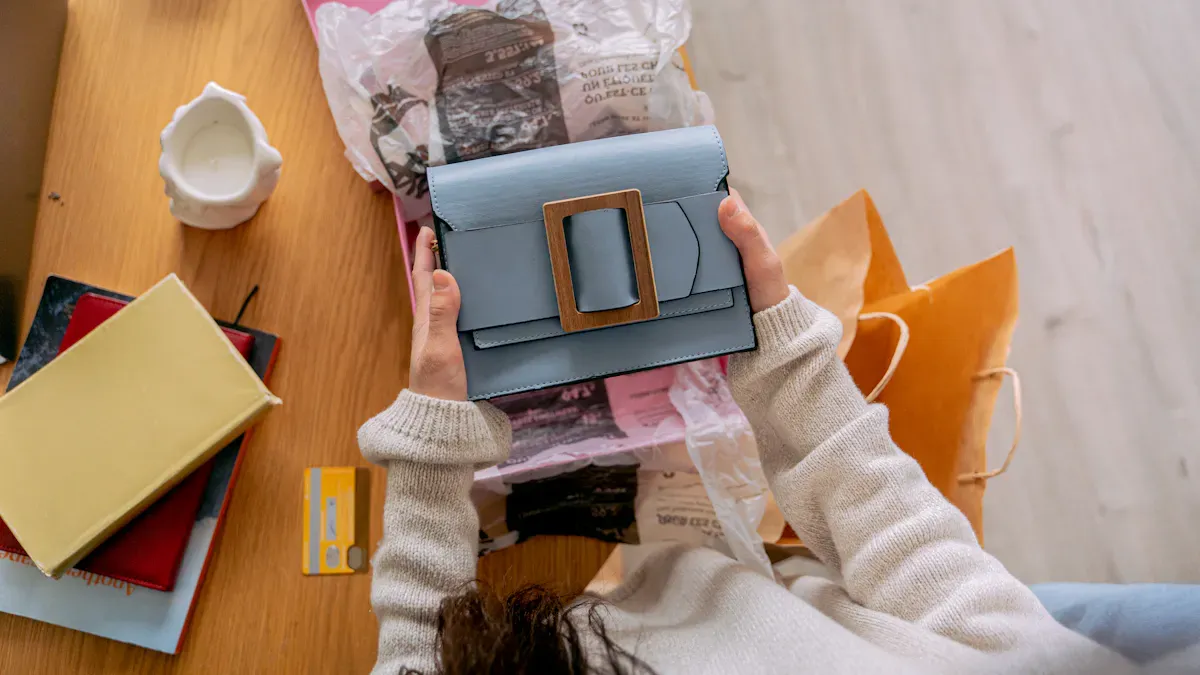
Brands design packaging to guide consumers through a step-by-step journey. Each layer or compartment reveals new elements, building anticipation with every interaction. The anticipation of unboxing starts before the consumer even touches the product. Custom features, such as branded tissue paper or personalized notes, heighten curiosity and excitement. The emotional pause before opening mirrors the thrill of receiving a gift. Unpredictable rewards, like hidden compartments or surprise extras, increase engagement and curiosity. These positive unboxing events trigger dopamine release, creating a feel-good sensation that enhances the overall experience.
- Layered reveals encourage anticipation and curiosity.
- Hidden compartments and extras deliver surprise and delight.
- Step-by-step discovery transforms the unboxing experience into a memorable journey.
Sensory Engagement
Opening mechanisms engage multiple senses, making the unboxing experience more immersive. The tactile feel of magnetic closures or pull-out drawers provides intuitive and satisfying interactions. Distinct opening sequences, such as the Snail-Fold box, influence consumer perception and satisfaction. Brands incorporate sound elements, like a subtle “whoosh” or the rip of a tear strip, to enhance sensory engagement. These details contribute to a memorable unboxing experience, linking perceived quality to the physical act of opening.
Sensory engagement elevates the unboxing experience, making each moment more memorable and enjoyable.
Building Brand Identity
Signature Opening Styles
Brands establish identity through signature opening styles. Unique mechanisms, such as custom locks or slide-out trays, become recognizable features that set brands apart. Consistent use of these styles across product lines reinforces brand recall and reliability. Consumers associate specific opening actions with the brand, strengthening emotional connections and loyalty.
| Opening Style | Brand Impact |
|---|---|
| Magnetic Closure | Signals luxury and quality |
| Slide-Out Tray | Creates anticipation |
| Custom Lock | Enhances security and trust |
Signature styles contribute to a memorable unboxing experience, supporting brand differentiation in a competitive market.
Consistency Across Product Lines
Consistency in opening mechanisms ensures a cohesive brand presentation. Consumers expect the same level of anticipation and surprise with each product. Reliable packaging design builds trust and reinforces brand values. Brands that maintain consistency across product lines create a unified experience, making every unboxing event feel special.
Encouraging Social Sharing
Instagrammable Moments
Innovative opening mechanisms create moments worth capturing. Consumers share these experiences on platforms like Instagram, amplifying brand reach. Memorable unboxing experience elements, such as dramatic reveals or decorative details, foster emotional connections and inspire authentic content creation. These moments resonate with audiences, driving organic engagement.
Unboxing Videos
Unboxing videos showcase the anticipation and excitement of opening a package. Consumers highlight unique features, sensory details, and surprise elements. Authentic content amplifies brand visibility and encourages others to seek similar experiences. Brands benefit from increased exposure and positive feedback, as viewers connect with the emotional journey of the unboxing experience.
Practical Considerations for Implementation
Ease of Use
Accessibility for All Users
Brands prioritize accessibility when designing opening mechanisms. They analyze user expectations and strive to create packaging that feels intuitive. Mimicking familiar processes, such as opening a drawer or lifting a lid, helps users feel comfortable and confident. Packaging designers consider what users hope to achieve and how the product can act as a knowledgeable helper. This approach ensures that the packaging is easy to open for a wide range of customers, including those with limited dexterity or strength.
- Designers study user habits to enhance comfort.
- Familiar opening actions reduce confusion and increase satisfaction.
- Brands balance user needs with commercial realities to ensure viable solutions.
Minimizing Frustration
Minimizing frustration remains a key goal in packaging design. Brands imagine the ideal scenario where users complete the task effortlessly. They recognize that achieving perfect ease of use may require compromises due to business constraints. Packaging must guide users with clear instructions and visual cues. When brands select opening mechanisms, they consider legality, usage context, and personal preference. These factors influence safety and speed, ensuring the product meets diverse needs.
- Clear instructions help users navigate the unboxing process.
- Visual cues reduce errors and enhance the experience.
- Brands acknowledge that some compromises may be necessary.
Sustainability
Eco-Friendly Materials
Sustainability has become a central concern for brands and consumers. Companies integrate eco-friendly materials into packaging without sacrificing protection or visual appeal. Recycled materials and biodegradable options demonstrate a commitment to responsible practices. Packaging communicates its sustainability features, which can enhance the overall unboxing experience and resonate with environmentally conscious customers.
Tip: Brands can highlight eco-friendly materials through packaging labels or inserts, reinforcing their dedication to sustainability.
Recyclable and Reusable Designs
Brands develop packaging that is easy to reuse and recycle. They focus on designs that minimize waste and encourage customers to repurpose boxes or trays. Recyclable materials support environmental goals, while reusable packaging adds value for consumers. Packaging that is easy to reuse often features modular components or sturdy construction, making it suitable for storage or gifting.
| Design Feature | Benefit |
|---|---|
| Modular components | Supports repurposing |
| Sturdy construction | Enables long-term use |
| Clear recycling info | Guides responsible disposal |
Product Protection
Secure Packaging
Product protection remains essential in packaging design. Brands ensure that packaging shields items from damage during transit and storage. Secure closures, such as magnetic locks or custom latches, prevent unauthorized access and maintain product integrity. Packaging must reflect brand identity while appealing to consumers’ senses. Visually appealing designs and thoughtful aesthetics contribute to a positive perception.
Damage Prevention
Brands balance protection with an engaging unboxing experience. They use bubble wrap, internal compartments, and layered reveals to safeguard products. Small touches, such as personalized inserts, enhance engagement and create emotional connections. Packaging structure provides stability and prevents contamination, meeting consumer expectations for safety and reliability.
- Bubble wrap cushions fragile items.
- Internal compartments keep products secure.
- Layered reveals add excitement and prevent damage.
Cost and Scalability
Balancing Innovation and Budget
Brands often face a challenge when they want to introduce innovative opening mechanisms. They must balance creativity with financial responsibility. Unique packaging features, such as magnetic closures or custom locks, can increase production costs. Companies need to evaluate whether these investments will deliver a return through higher customer satisfaction or increased brand loyalty.
Many brands start with small production runs to test new mechanisms. This approach helps them control costs and gather feedback before scaling up. They often collaborate with packaging engineers to identify materials and processes that offer both quality and affordability. For example, some brands use modular designs that allow for easy customization without significant cost increases.
Tip: Brands can reduce expenses by sourcing materials in bulk or partnering with specialized manufacturers who offer economies of scale.
A careful cost analysis helps brands decide which features are essential and which can be simplified. They may choose to reserve premium mechanisms for flagship products or limited editions. This strategy allows them to maintain a high standard for their core offerings while experimenting with innovation in select lines.
Manufacturing Feasibility
Scalability remains a key concern for brands that want to expand their innovative packaging solutions. Not all opening mechanisms can transition smoothly from prototype to mass production. Some designs require specialized machinery or manual assembly, which can slow down the manufacturing process and increase labor costs.
A closer look at the packaging industry reveals that certain materials, such as edible films, present unique scalability challenges. These films often remain at the laboratory scale because of poor elongation and processing difficulties. High production costs also limit their commercial application. The table below summarizes these challenges:
| Aspect | Evidence |
|---|---|
| Scalability Challenges | Edible films are primarily produced at a laboratory scale due to issues like poor elongation and processing difficulties. |
| Cost Implications | High production costs are a significant barrier to the commercial application of edible films. |
| Consumer Acceptance | Marketing strategies and low-cost production are essential for increasing consumer acceptance. |
| Safety Perceptions | Consumer acceptance hinges on the perception of safety regarding edible films. |
Brands must consider the feasibility of manufacturing at scale. They need to assess whether suppliers can meet demand without sacrificing quality. Automation can help reduce costs, but only if the design supports efficient production. Marketing strategies also play a role in consumer acceptance, especially when introducing new materials or mechanisms. Brands that address safety perceptions and communicate value can improve adoption rates.
Actionable Takeaways for Brands
Choosing the Right Mechanism
Aligning with Brand Values
Brands must select opening mechanisms that reflect their core values. A luxury brand often chooses magnetic closures or custom locks to signal exclusivity and sophistication. An eco-conscious brand prefers recyclable materials and reusable designs. The mechanism should reinforce the brand’s promise and create a consistent experience. When brands align packaging with their values, they build trust and strengthen customer relationships.
Matching Product Type
The product type determines the most suitable opening mechanism. Jewelry brands use slide-out trays or hidden compartments to enhance presentation and protect delicate items. Electronics companies favor secure locks and internal compartments for safety and reliability. Food brands often select tear strips or pull tabs for convenience and hygiene. Brands must evaluate the product’s needs and customer expectations before finalizing the design.
Testing and Feedback
Prototyping and User Testing
Brands benefit from rigorous testing before launching new opening mechanisms. They segment their target audience not only by demographics but also by psychographics. This approach ensures feedback comes from actual buyers. Brands employ surveys, focus groups, and online testing platforms to gather diverse insights. Advanced analytics tools convert raw feedback into actionable recommendations. Agile testing allows brands to refine strategies and adapt quickly to market changes.
- Segment consumers by demographics and psychographics for relevant feedback.
- Use surveys, focus groups, and online platforms to collect insights.
- Apply analytics tools to transform feedback into actionable improvements.
- Adopt agile testing for continuous refinement and adaptation.
Iterative Improvements
Brands improve packaging through iterative cycles. They analyze feedback, adjust prototypes, and retest with consumers. This process helps brands identify pain points and optimize the unboxing experience. Continuous improvement ensures packaging remains relevant and competitive. Brands that embrace iteration respond effectively to evolving customer preferences.
Brands that listen to their customers and refine packaging design demonstrate commitment to quality and innovation.
Measuring Impact
Customer Satisfaction Metrics
Brands measure the impact of innovative opening mechanisms using quantitative and qualitative methods. Linear regression helps analyze the relationship between packaging innovation and customer satisfaction. Brands use questionnaires to collect data from consumers, such as university students, to test hypotheses and validate improvements.
Brand Loyalty Indicators
Correlation analysis measures the strength and direction of the relationship between customer satisfaction and brand loyalty. Brands track repeat purchases, referrals, and social sharing to gauge loyalty. The table below summarizes effective measurement methods:
| Method Used | Description |
|---|---|
| Linear Regression | Analyzes the relationship between innovation and customer satisfaction, as well as brand loyalty. |
| Correlation Analysis | Measures the strength and direction of the relationship between customer satisfaction and brand loyalty. |
| Questionnaire | Data collected from 85 university students to test the hypotheses developed from literature review. |
Brands that monitor these metrics gain valuable insights into the effectiveness of their packaging strategies. They use this data to drive future innovation and maintain a competitive edge.
Innovative opening mechanisms transform the unboxing experience into a lasting experience that drives customer engagement. Studies show that positive word-of-mouth from unique packaging encourages repeat purchases and new product adoption. Brands achieve maximum impact by balancing creativity, functionality, and sustainability in their designs.
| Brand Value | Importance | Implementation Tips |
|---|---|---|
| Authenticity | Builds trust and credibility | Use honest messaging and storytelling |
| Sustainability | Influences purchase decisions | Select eco-friendly materials and minimize waste |
| Innovation | Differentiates products | Incorporate smart elements and bold visuals |
| Quality and Craftsmanship | Elevates perceived product quality | Use high-quality materials and artisanal details |
| Convenience and Functionality | Enhances satisfaction and repeat purchases | Design ergonomic packages and clear instructions |
| Emotional Connection | Creates psychological bonds | Use color psychology and cultural symbols |
FAQ
What are innovative opening mechanisms in packaging?
Innovative opening mechanisms include features such as magnetic closures, pull tabs, slide-out trays, and custom locks. These elements create memorable unboxing experiences and help brands stand out in the market.
How do opening mechanisms impact customer satisfaction?
Opening mechanisms improve customer satisfaction by making packages easier to open and more enjoyable. Customers appreciate intuitive designs and engaging features, which increase positive feedback and brand loyalty.
Are sustainable opening mechanisms available?
Many brands use eco-friendly materials and recyclable designs for opening mechanisms. Sustainable packaging options include biodegradable inserts, reusable trays, and recycled paper, which appeal to environmentally conscious consumers.
Which industries benefit most from unique opening mechanisms?
Industries such as jewelry, electronics, cosmetics, and luxury goods benefit most. These sectors rely on packaging to enhance product presentation and reinforce brand identity.
Can opening mechanisms increase social sharing?
Unique opening mechanisms encourage customers to share their unboxing experiences online. Features like hidden compartments and decorative details create “Instagrammable” moments that boost organic brand marketing.
How do brands test new opening mechanisms?
Brands conduct prototyping and user testing with target audiences. They collect feedback through surveys and focus groups, then refine designs based on insights to ensure optimal usability and satisfaction.
What should brands consider when choosing an opening mechanism?
Brands should align opening mechanisms with their values, product type, and customer expectations. They must balance innovation, cost, and manufacturing feasibility to deliver a consistent and impactful unboxing experience.