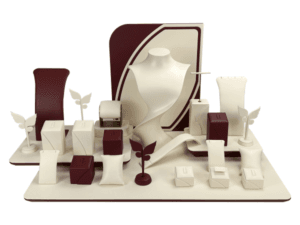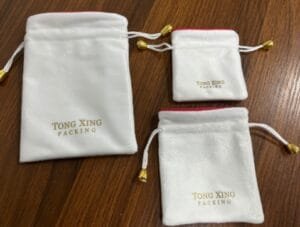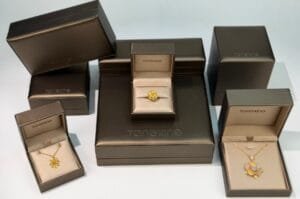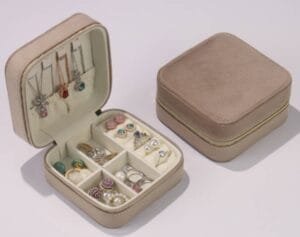
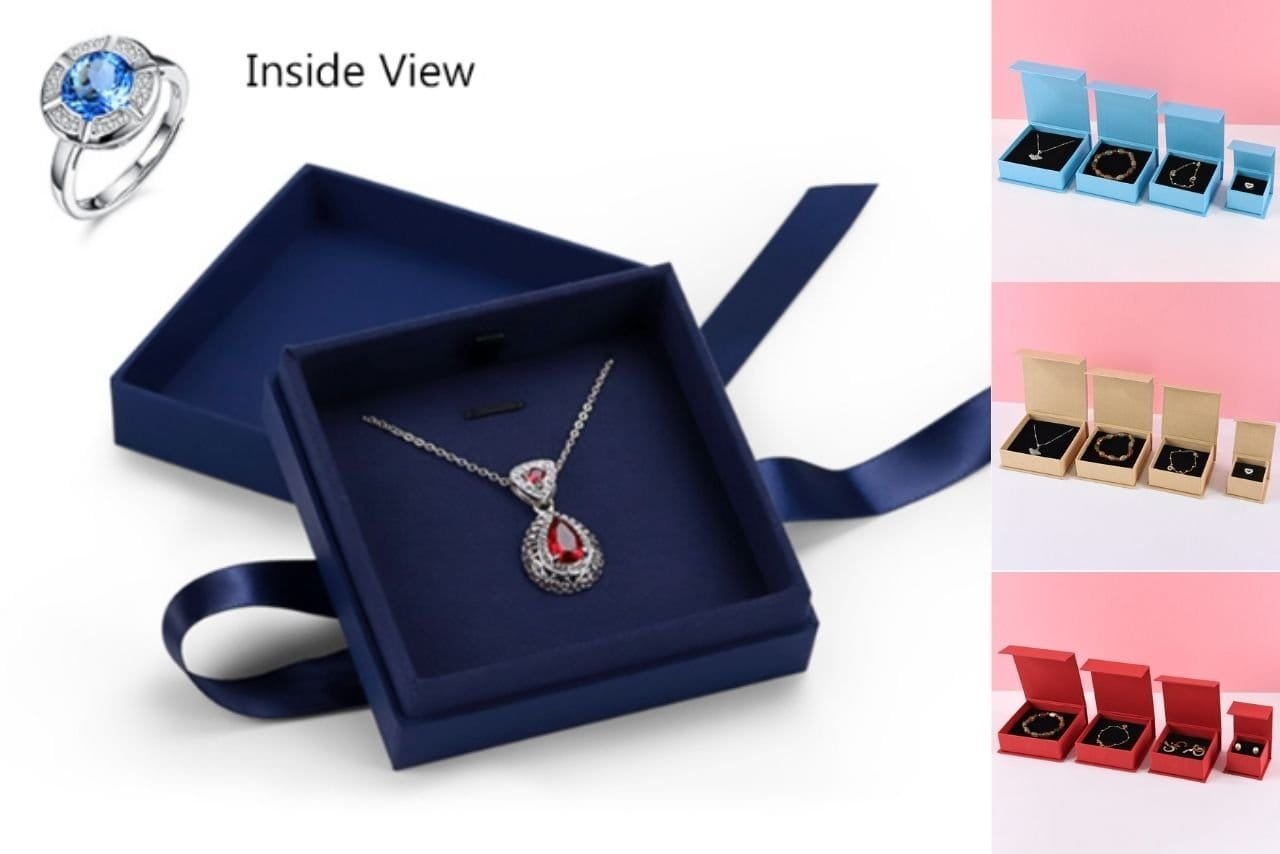
A silver plated jewelry box provides the high-luster aesthetic of solid sterling at a commercially viable price point, utilizing electroplating technology to deposit a micron-thin layer of pure silver onto a durable base metal like zinc alloy or brass. Unlike solid silver, these enclosures rely on a nickel-barrier underplate to prevent base metal migration, ensuring the surface remains brilliant and reflective. For a professional Jewelry Box manufacturer, the primary technical challenge is managing the silver’s high reactivity to atmospheric sulfur; therefore, the integration of anti-tarnish lacquers and LusterLoc? treated linings is critical for preserving the box¡¯s “showroom” finish. In the global jewelry packaging market, silver-plated units are the preferred choice for B2B corporate gifting and high-volume retail, offering a weighted, premium tactile experience while providing a chemically stable environment for the long-term storage of diamonds and precious metal alloys.
Technical and Anti-Tarnish Framework
- 1. Electroplating Science: Micron Thickness and Base Metal Stability
- 2. Tarnish Prevention: Electrolytic Lacquers and Chemical Barriers
- 3. Manufacturing Excellence: Die-Casting and Surface Preparation
- 4. Performance Data: Silver-Plated vs. Solid Silver vs. Zinc
- 5. Maintenance and Professional Procurement FAQ
Electroplating Science: Micron Thickness and Base Metal Stability
The durability of a silver-plated Jewelry Box is governed by micron thickness. In a professional Jewelry Box Factory, the plating process involves submerging the base frame into an electrolytic bath. A “flash” plating (under 0.5 microns) is common in budget items, but investment-grade boxes feature a thickness of 2 to 5 microns.
To ensure the silver layer does not peel or blister, a copper strike is often applied first, followed by a nickel barrier. This multi-stage coating process prevents atom migration¡ªa phenomenon where the base metal molecules (like zinc) leach through the silver surface, causing a permanent yellowing or dulling of the exterior finish.
Tarnish Prevention: Electrolytic Lacquers and Chemical Barriers
The greatest risk to a silver-plated enclosure is sulfidation (tarnish). When silver is exposed to hydrogen sulfide in the air, it forms a black silver-sulfide layer. To prevent this, leading Jewelry Box manufacturers apply an Electrophoretic Lacquer (e-coating). This transparent, hard-baked resin creates an oxygen-impenetrable seal that maintains the mirror finish for years without the need for abrasive polishing.
Internally, the box must be decoupled from the metal frame. High-end jewelry packaging utilizes anti-tarnish linings that are chemically impregnated with scavengers. These scavengers “capture” airborne sulfur molecules before they can react with the stored jewelry, effectively creating a 360-degree protective micro-environment.
| Feature | High-Quality Plated | Economy Plated | Impact on Jewelry |
|---|---|---|---|
| Plating Thickness | 3-5 Microns | < 0.5 Microns | Determines wear resistance |
| Underplate | Nickel Barrier | Direct to Zinc | Prevents color migration |
| Sealant | Baked E-Coating | Air-dry spray | Eliminates tarnish risk |
Manufacturing Excellence: Die-Casting and Surface Preparation
The structural integrity of the box depends on the die-casting precision. High-pressure die-casting (HPDC) using Zamak-3 alloy ensures a non-porous frame that can be polished to a “water-smooth” finish before plating. Any pits or surface porosity in the base metal will be magnified once the silver layer is applied, which is why top factories invest heavily in robotic centrifugal polishing.
For B2B clients, the hinge and latch mechanism is equally important. Unlike wooden boxes where hinges are screwed in, metal boxes often feature integrated pivot hinges that are part of the casting. This eliminates the risk of hardware coming loose over time, making these boxes ideal for high-traffic retail environments or hospitality corporate gifts.
Finish Longevity: 10-Year Simulation (Brilliance Score)
*Data represents perceived luster retention under standard atmospheric exposure.
Maintenance and Professional Procurement FAQ
Q1: How can I tell if a silver-plated box has an anti-tarnish coating?
A: A box with an e-coating will have a slightly “warmer” tactile feel compared to bare metal and will not show a dark tarnish mark when rubbed with a white cloth. Additionally, it will be much more resistant to fingerprints.
Q2: What is the best way to clean a silver-plated jewelry box?
A: Never use abrasive silver polishes. These will quickly strip away the micron-thin silver layer, exposing the yellow base metal beneath. Use only a distilled water-dampened microfiber cloth. If it has a protective coating, this is all that is required to restore the shine.
Q3: Is silver plating safe for sterling silver jewelry?
A: Yes. In fact, a silver-plated box is chemically compatible with silver jewelry. The primary factor is the internal lining; ensure the Jewelry Box manufacturer has provided a sulfur-free velvet to prevent “contact tarnish.”
Q4: Why does my silver box have a yellow tint at the corners?
A: This is a sign of plating wear. Corners are high-friction areas where the silver layer is often at its thinnest. This highlight¡¯s the importance of sourcing from a Jewelry Box Factory that guarantees a minimum 3-micron plating thickness.
Q5: Can silver-plated boxes be engraved for personalization?
A: Yes, but with caution. Diamond-tip engraving is preferred over laser engraving on plated surfaces. The diamond tip creates a clean, V-shaped groove without burning through the plating layers, maintaining the structural integrity of the finish.
Article References & Industry Data:
- Electroplating Standards and Micron Specification for Giftware – The New York Times Science
- Industrial Applications of Electrophoretic Lacquer in Packaging – Business Insider Retail
- Mechanical Properties of Zinc Die-Casting Alloys – Home Depot Professional Guide
- Engineering the Ultimate Anti-Tarnish Environment – WOLF 1834 Engineering Blog