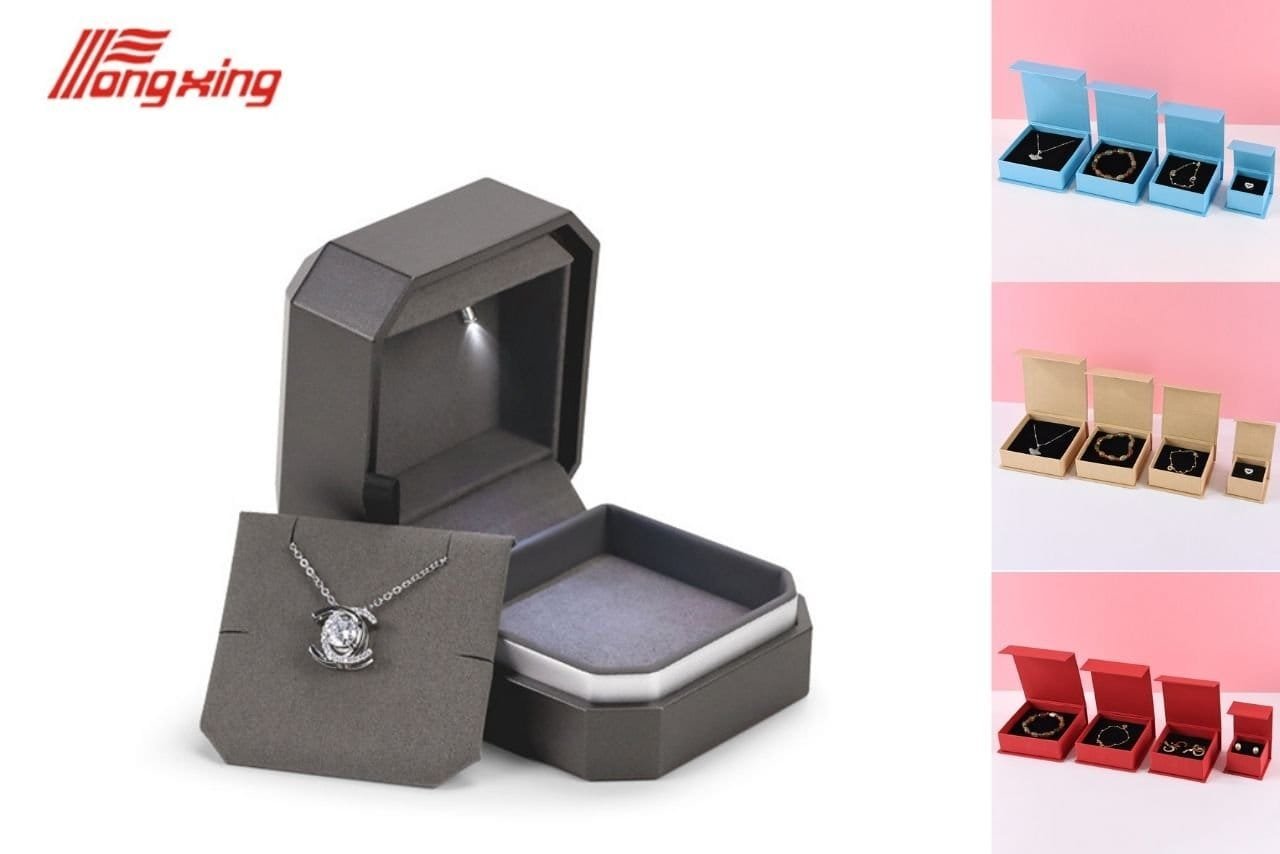
Maintaining a leather jewelry box involves a precise balance of hydration management and pH-neutral cleaning to prevent the premature degradation of the collagen fibers within the hide. Unlike synthetic materials, genuine leather is a porous, biological substrate that requires lipid replenishment to retain its flexural strength and aesthetic luster. For a professional Jewelry Box manufacturer, the longevity of a product is contingent upon the user¡¯s ability to prevent two primary environmental threats: desiccation (cracking) caused by low humidity and mold colonization resulting from moisture entrapment. Proper care not only preserves the jewelry packaging exterior but also ensures the internal anti-tarnish linings remain effective in protecting high-value precious metals and gemstones from atmospheric oxidation.
Care & Maintenance Protocol
The Science of Cleaning: pH Balance and Surfactants
The primary error in leather Jewelry Box maintenance is the use of alkaline cleaners. Leather sits at a slightly acidic pH (between 4.5 and 5.5). Using standard household soaps or alcohol-based wipes disrupts this balance, causing the leather to become brittle and lose its natural hydrophobic topcoat.
Professional cleaning should utilize non-ionic surfactants. These molecules effectively encapsulate dust and body oils without penetrating the deeper dermal layers of the hide. For routine maintenance at a Jewelry Box Factory, air-compressed dusting is followed by a damp wipe using distilled water to avoid mineral buildup in the leather¡¯s pores.
Conditioning: Restoring the Lipid Barrier
Over time, the natural oils (lipids) in leather evaporate. Conditioning is the process of reintroducing these oils to maintain suppleness and tensile strength.
When selecting a conditioner, avoid products containing silicone or petroleum distillates. Silicone creates a non-breathable seal that can trap moisture inside the frame, potentially causing the inner wood or MDF structure to rot. Instead, use neatsfoot oil or mink oil-based conditioners that allow for natural moisture vapor transmission. This is especially vital for Saffiano or pebbled leathers, where the conditioner must reach the valleys of the texture to prevent surface peeling.
| Frequency | Action Required | Technical Objective |
|---|---|---|
| Weekly | Microfiber Dry Dusting | Prevent abrasive particulate buildup |
| Quarterly | pH-Balanced Damp Wipe | Remove salt/oil residues |
| Bi-Annually | Lipid Conditioning | Restore flexural elasticity |
Environmental Control: Humidity and UV Management
Leather is highly susceptible to photodegradation. Prolonged exposure to UV light breaks down the protein bonds in the hide, leading to irreversible fading and “dry rot.” Additionally, the ambient relative humidity (RH) should be maintained between 40% and 55%.
If the RH drops below 30%, the leather will release its internal moisture, causing it to shrink and pull away from the box frame. Conversely, an RH above 60% invites mold and mildew. For B2B retailers, maintaining a climate-controlled showroom is essential for preserving the “new leather” scent and structural integrity of their inventory.
Primary Causes of Leather Jewelry Box Degradation
Advanced Stain Removal: Technical Troubleshooting
For oil-based stains (such as makeup or hair products), apply cornstarch or talcum powder to the area and allow it to sit for 12 hours. The powder will draw out the lipids through capillary action without scarring the leather grain.
For water spots, the key is blotting¡ªnever rubbing. Rubbing a water spot pushes the moisture deeper into the fibers, potentially causing a permanent “tide mark.” Use a lint-free cloth to absorb the moisture and allow the box to air-dry at room temperature. Never use a hairdryer, as the forced thermal energy will cause the leather to contract and harden.
Maintenance FAQ for Professional Collectors
Q1: Can I use shoe polish on my leather jewelry box?
A: No. Shoe polish is designed for heavy-duty outdoor wear and often contains pigments and hard waxes that can rub off onto your jewelry or clothes. Use only dedicated furniture-grade leather conditioners.
Q2: How do I remove a musty smell from the leather?
A: Musty odors indicate trapped moisture. Place the box in a room with a dehumidifier and put an open container of activated charcoal nearby (not touching the leather) to absorb the odor molecules.
Q3: My white leather box is turning yellow. Can this be reversed?
A: Yellowing is often caused by oxidation of the top-coat or UV damage. While it cannot be fully reversed, a professional leather re-coloring balm can help restore the original hue.
Q4: Should I condition the inside of the box as well?
A: Only if the inside is leather. If the interior is velvet, suede, or an anti-tarnish fabric, do not apply conditioner, as it will ruin the fabric¡¯s pile and may chemically interfere with the anti-tarnish treatment.
Q5: Is vegan leather maintenance the same as genuine leather?
A: No. Vegan leather (PU) is plastic-based and does not absorb oils. Conditioning it is ineffective. Maintenance for PU focuses on surface cleaning and avoiding high heat which causes the plastic layers to delaminate.
Q6: How often should I replace the desiccant packets inside my box?
A: In humid climates, replace silica packets every 3 to 6 months to ensure they continue to pull moisture away from the leather and your jewelry.
Article References & Industry Data:
- Chemical Analysis of Leather pH and Aging – The New York Times Science
- Lipid Management in Bovine Hides – Business Insider Retail
- Mechanical Properties of Protective Packaging – Home Depot Professional
- Preservation Standards for Luxury Storage – WOLF 1834 Technical Blog