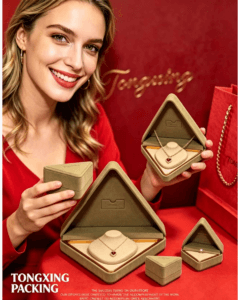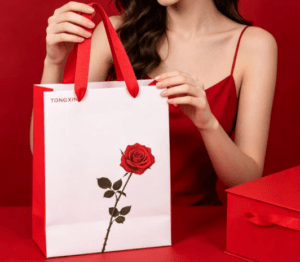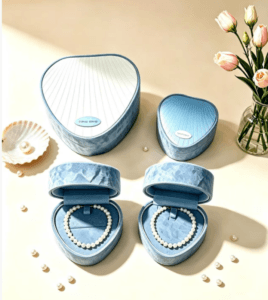
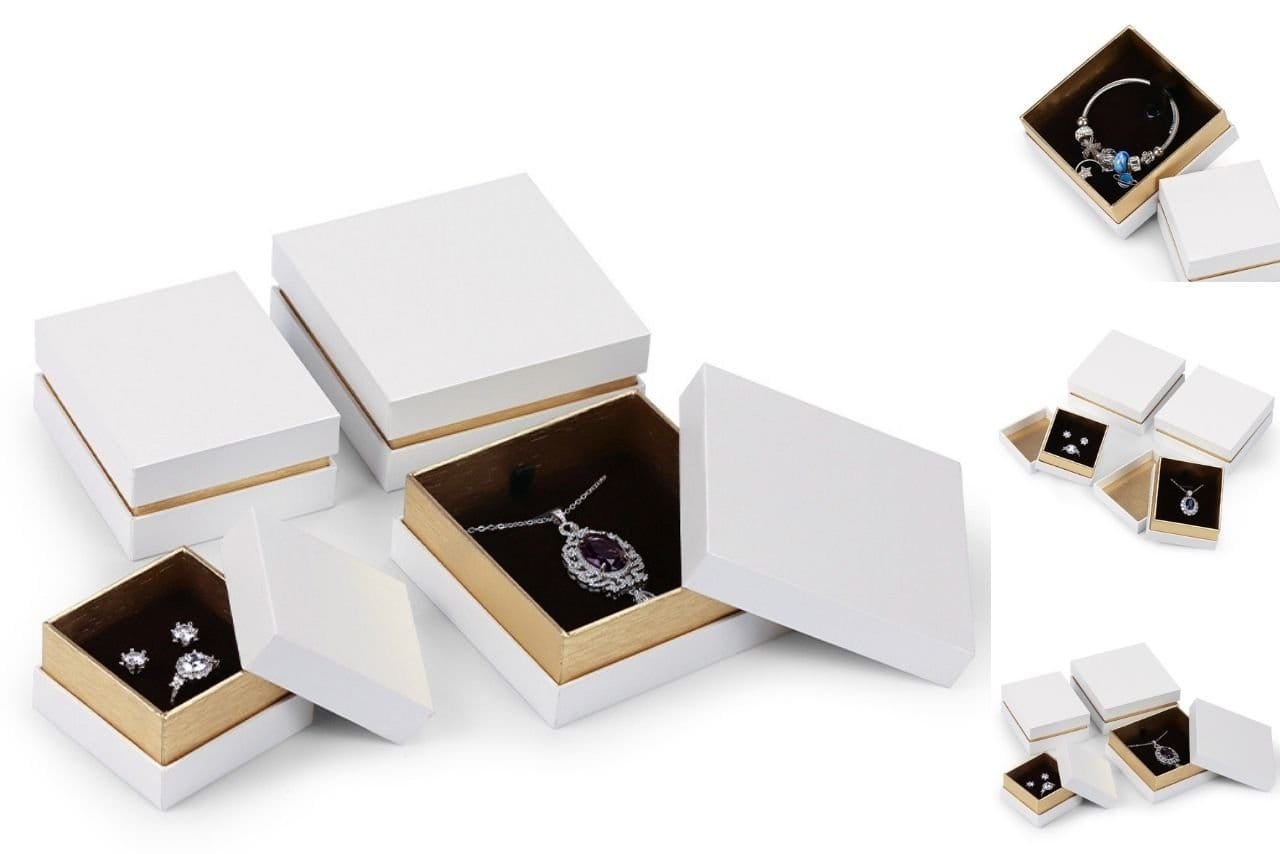
Leather jewelry box pricing is best understood as a value equation: material specification (PU vs. genuine leather), structure (rigid paperboard vs. MDF/wood), finishing (hot stamping, embossing, UV), and production controls determine whether a box is ¡°expensive¡± or simply engineered to reduce defects, returns, and brand inconsistency. For global buyers, the most reliable cost predictor is not the retail listing price, but the documented bill of materials plus sampling and inspection discipline. This analysis explains price drivers, typical sourcing ranges, and the checkpoints that protect ROI¡ªespecially for custom jewelry boxes, logo-printed packaging, and luxury unboxing programs.
Manufacturer context used in this article: Shenzhen Tongxing Packaging Co., Ltd. designs and manufactures jewelry boxes, displays, pouches, and bags, emphasizing strict material selection, multi-step inspections, rapid sampling, and reliable lead times (typical mass production 15¨C30 days; samples often 5¨C7 business days). The company also states support for Pantone matching and the use of FSC-certified papers, recyclable materials, and eco-friendly inks.
What ¡°price¡± really means in leather jewelry boxes
In consumer marketplaces, ¡°leather jewelry box price¡± is often presented as a single number. In packaging procurement, price should be treated as the sum of risk controls: tighter tolerance on color and wrap edges, higher-grade surface materials, engineered inserts, and standardized inspection reduce the probability of rework, transit damage, and negative reviews. That is why a box that appears similar in photos can behave very differently after months of retail handling or international shipping.
For brands that purchase packaging in volume, the relevant comparison is ¡°cost per successful delivery and use,¡± not ¡°unit price on a listing.¡± This is especially true for wholesale jewelry boxes used in e-commerce where unboxing experience and protection affect repeat purchase behavior and returns.
Price components buyers can verify
| Cost component | What it includes | How it changes price | How it affects value |
|---|---|---|---|
| Surface material (¡°leather¡± layer) | PU/PVC leather, microfiber leather, or genuine leather; backing fabric; coating | Higher grades increase cost and reduce batch variance | Touch, appearance consistency, aging performance |
| Structure | Rigid paperboard, MDF/wood, plastic shell; lid type (hinged/magnetic/drawer) | Heavier structures and complex mechanisms increase cost | Protection, perceived luxury, long-term durability |
| Finishing | Hot stamping, emboss/deboss, UV, lamination, custom textures | More steps and tighter alignment raise price | Brand recognition and premium signal |
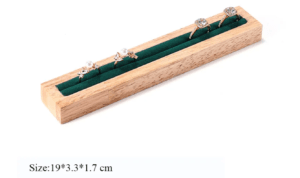
| Insert system | Foam/velvet/sponge/paperboard inserts; die-cut cavities; ring rolls | Custom fit and multi-material inserts raise price | Reduced movement, fewer scratches, display readiness |
| Quality control | Incoming material inspection, in-process checks, final audits | More controls can raise cost but reduce defects | Consistency across production batches; fewer claims |
Procurement tip: a quote should specify each component (material spec, structure, insert type, finishing method, and inspection criteria). A single line item without specification makes meaningful price comparison impossible.
The main price drivers (material, structure, finishing, inserts, QC)
1) ¡°Leather¡± material: PU vs. genuine leather (and why PU varies so much)
Faux leather is typically PU (polyurethane). Its price varies widely based on thickness, backing fabric, coating quality, and grain embossing. Genuine leather generally carries a higher base cost and can introduce natural variation. For brands prioritizing repeatable look and fast color matching, premium PU often offers the best balance.
Related LSI terms buyers often use: PU leather jewelry box, vegan leather jewelry box, leatherette jewelry box, genuine leather jewelry case.
2) Structure: rigid paperboard vs. MDF/wood vs. plastic shell
The same PU wrap can sit on very different cores. Rigid paperboard can deliver a premium feel when properly engineered and wrapped; MDF/wood adds weight and stiffness; plastic shells can provide consistent geometry and impact resistance. Structure choice is one of the largest drivers of both cost and perceived quality.
3) Finishing and branding: where ¡°cheap-looking¡± often originates
In leather-style packaging, branding defects are highly visible. Common failure points include uneven hot stamping, misaligned debossing, glue marks at corners, and color shifts between the outer wrap and interior lining. Strong suppliers mitigate this with clear process standards and in-process checks.
4) Inserts: the hidden driver of protection and customer satisfaction
Inserts are frequently under-specified in quotes even though they determine whether a ring, pendant, or bracelet arrives centered, secure, and presentation-ready. A precisely engineered insert can reduce damage claims and improve photography and display outcomes, especially when paired with coordinated sets (box + display + bag).
5) Quality assurance, sampling speed, and lead times
Tongxing Packing¡¯s homepage indicates multi-step inspections, rapid sampling (often 5¨C7 business days), and mass production lead times typically 15¨C30 days depending on complexity and order size. These operational factors should be priced into procurement decisions: consistent production that matches approved samples can reduce the ¡°hidden cost¡± of reorders and customer service issues.
Chart: Typical impact on unit price (relative, procurement view)
Values below are directional ranges used to prioritize negotiations. Final pricing depends on specification and volume.
Evidence basis: common procurement analysis used across retail packaging categories; buyers can validate with multiple quotes using identical specifications.
Chart: Where better specs usually pay back (value outcomes)
Directional: improved specs tend to reduce downstream costs when packaging is customer-facing and shipped internationally.
Practical check: require photo/video confirmation during sampling and define acceptance criteria for color, logo alignment, stitching/wrap edges, and assembly.
Typical price ranges: retail vs. wholesale vs. custom OEM
Public retail prices seen on large marketplaces (Amazon, Target, Nordstrom, etc.) include brand margin, retail overhead, fulfillment, and returns. Wholesale and OEM packaging pricing is driven by specification and volume. As a result, ¡°market prices¡± can mislead buyers unless the comparison controls for size, structure, and finish.
Retail pricing (consumer purchases)
Retail leather jewelry boxes often bundle features like mirrors, drawers, travel compartments, and multi-layer storage. These are consumer ¡°product features,¡± not packaging features. When a brand is buying boxes as packaging, the bill of materials typically prioritizes brand consistency, protection, and efficient assembly rather than storage complexity.
Wholesale / OEM pricing (brand packaging)
In OEM packaging, the most consistent way to estimate unit cost is to specify: size, core material, outer wrap material grade, interior lining, insert design, logo method, and packing protection. Tongxing Packing indicates an MOQ commonly ranging from 500 to 3,000 units depending on material and complexity; that volume sensitivity explains why per-unit pricing drops materially at scale.
| Buying scenario | What ¡°leather¡± usually means | What drives price most | Best way to compare offers |
|---|---|---|---|
| Consumer retail jewelry organizer box | Often PU/leatherette; feature-heavy | Compartments, hardware, drawers, mirror | Feature parity + warranty + reviews |
| Brand packaging for e-commerce | PU wrap on rigid core + insert | Insert precision, logo finish, QC | Specification sheet + sample approval |
| Premium retail packaging (in-store) | Higher-grade PU or genuine leather + coordinated set | Finish consistency, display coordination, texture | Full set pricing (box + bag + display) |
| Promotional / entry-level packaging | Lower-grade PU or paper wrap alternatives | Minimum viable finish + stable color | Defect tolerance + delivery reliability |
For a practical starting point on available styles and structures, buyers can review a dedicated product category page such as Jewelry Box and then align specifications with the brand¡¯s target positioning.
A practical cost model and value scorecard
A buyer-friendly cost model separates ¡°what the customer experiences¡± from ¡°what the factory must control.¡± The objective is to pay for what reduces risk: tight wrap work, consistent color, stable logo execution, and inserts that prevent movement.
Value scorecard (use for comparing quotes)
The following scorecard is designed for custom jewelry packaging projects and can be used across suppliers.
| Scorecard area | What to specify | How to test during sampling | Value risk if ignored |
|---|---|---|---|
| Surface material grade | PU thickness, backing, coating; or genuine leather grade | Rub test, scratch check, color shift under light | Peeling, visible wear, inconsistent texture |
| Color accuracy | Pantone reference; tolerance expectation | Approve physical sample; check under standard lighting | Brand mismatch across batches |
| Logo execution | Hot stamping/UV/emboss; size and placement | Alignment check, edge sharpness, durability | Cheap appearance, rework |
| Insert engineering | Insert material + cavity shape for each SKU | Shake test; opening/closing cycle; jewelry fit | Scratches, rattling, transit damage |
| Assembly & wrap quality | Corner standard, glue tolerance, stitching standard | Visual inspection at corners/edges | Visible defects at first glance |
| Packing protection | Inner packing method, export carton spec | Drop/stacking simulation discussion | Damage claims, higher returns |
Quick KPI view (based on supplier-stated service parameters)
5¨C7
Typical sample lead time (business days)
15¨C30
Typical mass production lead time (days)
500¨C3,000
Common MOQ range (units, varies by complexity)
Pantone
Color matching supported (confirm via sample)
These figures are taken from the supplier¡¯s publicly stated FAQ/homepage content; final timelines depend on season, complexity, and order size.
How to buy for ROI: sampling, inspection, lead times, and MOQ
For global sourcing, ROI is protected by disciplined documentation and approvals. A reliable manufacturer should define incoming material checks, in-process control points, and final audits, then align production to the approved sample. Tongxing Packing describes strict quality control from raw material inspection to final product audits, plus after-sales support for quality or delivery issues.
Recommended procurement flow (packaging-grade, not retail-product-grade)
Step 1: Choose the box style and core structure
The buyer should begin by selecting a structure that matches channel needs: e-commerce durability, retail presentation, or gifting. For available styles, the internal link hub Jewelry Box can be used as a reference point for typical formats and customization directions.
Step 2: Lock material and finishing specifications
The quote should specify the ¡°leather¡± layer (PU thickness/coating or genuine leather grade), lining material, and logo method. For brands managing multiple SKUs, standardized finishing reduces visual variance. Key finishing options commonly used in premium packaging include hot stamping, UV, embossing, lamination, and custom textures.
Step 3: Engineer the insert for protection and presentation
Inserts should be designed to keep items centered and secure. Precision inserts can be produced in foam, velvet, sponge, or paperboard. This step is particularly important for items with stones or high-polish metal where micro-scratches are unacceptable.
Step 4: Sampling and approvals (the non-negotiable)
Sampling should validate color accuracy (including Pantone), logo placement, and assembly. Tongxing Packing indicates fast sampling and proactive communication; buyers can reduce revisions by approving measurements, materials, and finish details early.
Step 5: Supplier due diligence for quality and delivery stability
For buyers who need evidence of capacity and process control, reviewing a supplier profile and factory information is a standard step. The following internal links provide those reference pages: Jewelry Box manufacturer and Jewelry Box Factory.
Where a one-stop packaging set improves value
Many brands purchase boxes, bags, displays, and inserts as a coordinated system to reduce coordination cost and improve visual consistency. Tongxing Packing positions itself as a one-stop partner beyond boxes, supplying displays, pouches, paper bags, and inserts as a complete set¡ªan approach that can simplify reorders and improve retail coherence. The broader category context can be explored via jewelry packaging.
Conclusion
Leather jewelry box ¡°price¡± becomes rational when the buyer treats it as a specification-and-risk decision. Premium value typically comes from controlled structure, repeatable surface materials, precise inserts, and consistent finishing¡ªsupported by sampling discipline and multi-step inspection. For global brands, the best unit cost is the one that meets the approved sample, ships reliably, and protects the product and brand impression at scale.
FAQ
What is the biggest factor that changes leather jewelry box price in bulk orders?
The largest drivers are usually structure complexity (core material and closure mechanism) and the insert system, not the word ¡°leather¡± alone. A simple PU-wrapped rigid box with a standard insert can be far more cost-stable than a multi-layer drawer design with custom cavities. Buyers should request a specification-based quote that separates surface material grade, structure, inserts, and finishing to make comparisons meaningful.
Is genuine leather always higher value than PU leather for packaging?
Not always. Genuine leather can deliver a strong luxury signal, but premium PU often provides better consistency for color matching and batch repeatability¡ªimportant for brand packaging and photography. Value depends on channel requirements: retail heritage positioning may justify genuine leather, while scalable DTC programs often prefer high-grade PU for predictable appearance and cost control.
How can a buyer reduce the risk of peeling or surface wear on PU leather boxes?
The buyer should specify PU thickness, coating quality, and storage/shipping conditions, then test physical samples for rub resistance and edge integrity. It is also important to confirm packing protection and carton standards. Suppliers that perform incoming material inspection and in-process checks are better positioned to keep surface quality consistent across batches, reducing visible defects on corners and edges.
What lead times and MOQs should global buyers expect for custom leather-style jewelry boxes?
Lead times and MOQs vary by material and complexity. As an example of publicly stated service parameters, Tongxing Packing indicates sample production often takes 5¨C7 business days, mass production typically runs 15¨C30 days after approval, and MOQs commonly range from 500 to 3,000 units depending on the product¡¯s material and complexity. Buyers should confirm timing by season and order size.
What documents or proof points support quality and sustainability claims?
Buyers should request documentation aligned to the claim. For paper components, FSC documentation is commonly used; for inks and materials, specification sheets and relevant test reports help substantiate compliance. Claims like ¡°eco-friendly¡± should be tied to specific evidence (e.g., FSC-certified papers, recyclable materials, eco-friendly inks) and validated during sampling and supplier audits where feasible.
References & further reading
Outbound links below reflect common SERP competitors and standards/resources used for context. They are provided for transparency and reader verification.
| Source | Why it is relevant | Link |
|---|---|---|
| Tongxing Packing (homepage content provided) | Supplier-stated capabilities: QC, customization, sampling, lead times, MOQ, FSC papers | https://jewelrypackage.com/ |
| Amazon | Illustrates retail pricing dispersion and feature-driven jewelry organizer product positioning | https://www.amazon.com/ |
| Target | Retail benchmarking for consumer jewelry storage products and price tiers | https://www.target.com/ |
| Nordstrom | Premium retail context for jewelry storage and gifting, useful for positioning comparisons | https://www.nordstrom.com/ |
| Business Insider | Consumer commerce coverage; useful for understanding retail margins and buying behavior narratives | https://www.businessinsider.com/ |
| FSC (Forest Stewardship Council) | Reference for FSC claims and certification context for paper-based components | https://fsc.org/en |
| Google Search Central | Helpful content guidance aligned with E-E-A-T and people-first publishing | https://support.google.com/webmasters/answer/9281931 |
Note: The SERP reference list provided contains many domains; only a subset is linked here to keep the reference section readable. Additional references can be appended upon request for a ¡°top-30 SERP map¡± style citation list.