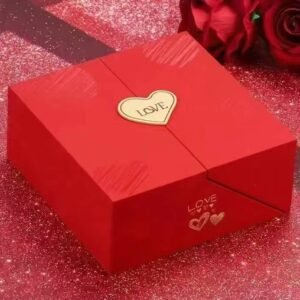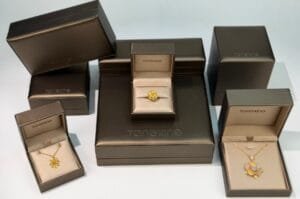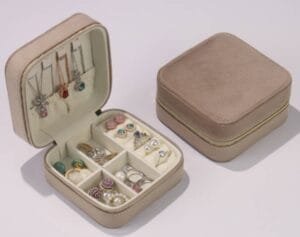
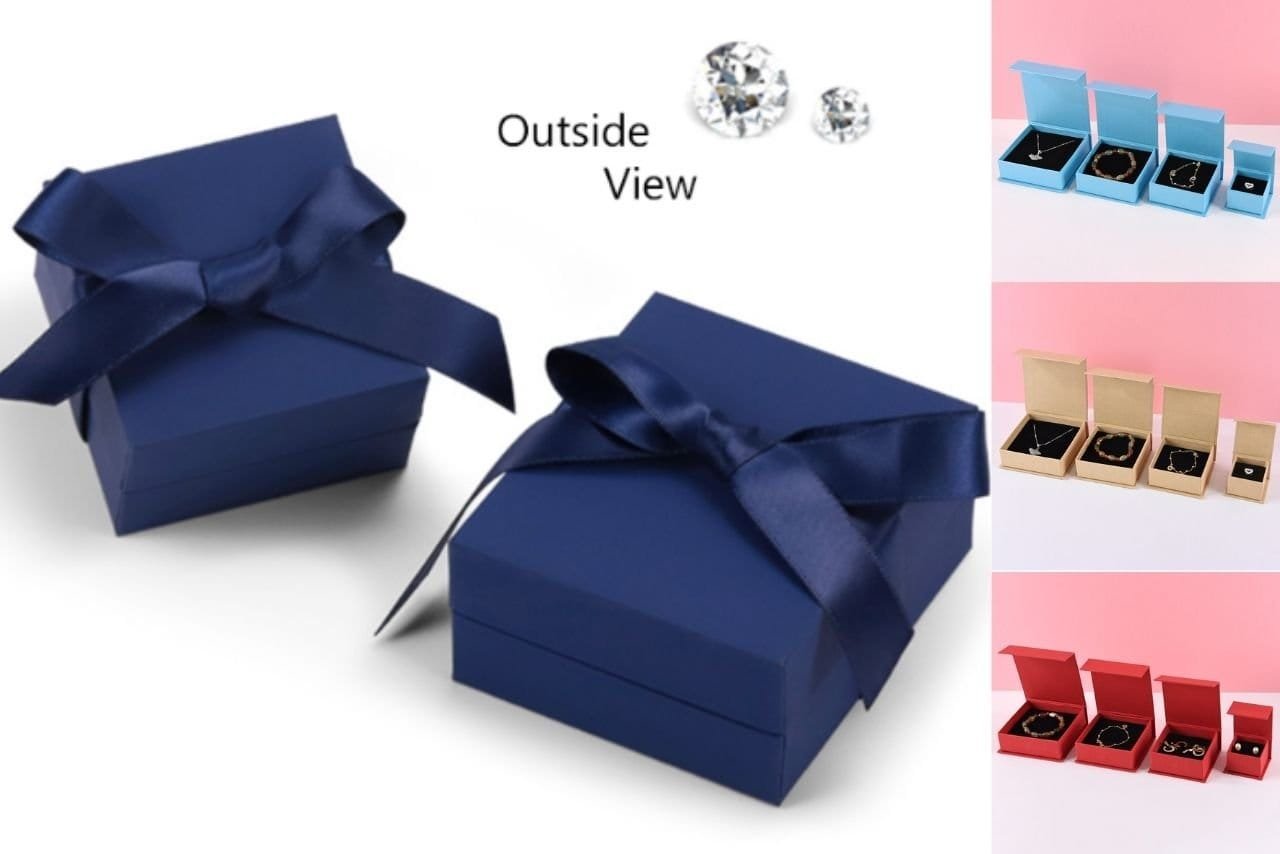
Vintage London leather jewelry boxes are appreciated because they combine heritage design with practical engineering: durable rigid structures, tactile coverings, and interior layouts built to protect fine pieces while presenting them like a small private collection. In today¡¯s market, collectors and brands value these boxes not only for their patina and craftsmanship cues, but also for what they signal¡ªdisciplined material choices, attention to joinery, and an intentional ¡°keepsake¡± experience rather than disposable storage. When modern packaging teams borrow from that tradition, the best results come from pairing the vintage aesthetic with measurable standards in fit, finish, and consistency¡ªespecially for custom jewelry boxes designed for global shipping and retail display.
Context for sourcing: Shenzhen Tongxing Packaging Co., Ltd. designs and manufactures jewelry boxes, displays, pouches, and bags with brand-driven customization, multi-step inspections, and rapid sampling support. Their product scope includes rigid boxes (paper/plastic/velvet/wood), coordinated displays, paper bags, pouches, and precision inserts¡ªuseful for brands that want a cohesive ¡°vintage-inspired¡± set without splitting suppliers.
What ¡°Vintage London Leather Jewelry Box¡± Really Means
¡°Vintage London¡± describes a style language as much as a location. In collector circles, it often refers to jewelry boxes influenced by British retail and travel culture: compact footprints, strong closures, structured interiors, and an exterior that reads as purposeful¡ªleather grain, stitched edges, and muted tones that feel at home on a dressing table or in a study. What people tend to appreciate is not only age, but the design logic behind the object: it was built to be handled daily and to keep valuables organized.
For brands, this style is valuable because it aligns with premium presentation and ¡°keepsake packaging¡± expectations. When executed correctly, it becomes part of the product¡¯s identity. That is why many modern brands start their search in category hubs for proven structures and then specify finishes and inserts to emulate the vintage feel. A practical starting point is a curated range of box styles such as Jewelry Box options that can be adapted through surface wrap, lining, and branding.
Why this style continues to resonate globally
The ¡°London¡± aesthetic travels well because it is restrained and functional. It pairs easily with fine jewelry categories (rings, earrings, pendants, bracelets) and supports both retail display and direct-to-consumer shipping. As consumers post more unboxing content, packaging that appears deliberate and archival¡ªrather than trendy¡ªtends to generate stronger perceived value. In practice, appreciation rises when the box feels quiet but confident: clean edges, balanced proportions, and an interior that secures the piece without squeezing it.
Signature Design Elements That Drive Appreciation
The details collectors notice are often the same details quality teams inspect. Vintage-inspired packaging works best when the ¡°old-world¡± cues are supported by modern manufacturing discipline: controlled tolerances, consistent color, and repeatable finishing.
1) Proportions and silhouette
Vintage London boxes are usually compact and structured. They avoid overly tall lids and instead emphasize stable, desk-friendly geometry. For modern brands, this translates into fewer shipping issues and a more premium hand-feel. A good supplier should provide size recommendations and drawings early, so the silhouette stays consistent across SKUs and collections.
2) Exterior texture: grain, sheen, and edge treatment
Appreciation often starts with touch. Whether the exterior is genuine leather or high-grade PU, the key cues are: realistic grain scale, controlled sheen (neither too glossy nor chalky), and clean edge finishing. Stitching¡ªreal or decorative¡ªshould look intentional and evenly spaced. These are the kinds of variables that improve with a supplier who offers multi-step inspection and clear standards for finishing consistency.
3) Closure experience
Vintage boxes often feel ¡°decisive¡± when opened or closed. Modern equivalents typically achieve that through engineered hinges, magnets, or well-fitted lid shoulders. The best closure is one that feels secure without forcing. In bulk packaging, closure consistency is a common failure point; sampling and functional testing should be treated as mandatory rather than optional.
4) Interior layout: compartments that look curated
Interiors matter as much as exteriors. Vintage-inspired layouts usually center the jewelry with purpose¡ªring rolls, earring cards, pendant hooks, and small accessory compartments. In modern packaging, this is where jewelry box inserts do the heavy lifting: foam, velvet, sponge, or paperboard inserts keep pieces centered and display-ready, reducing movement and surface abrasion in transit.
| Design element | What collectors notice | What brands should specify | How a manufacturer proves it |
|---|---|---|---|
| Exterior wrap quality | Natural-looking grain; no bubbling | Material type, thickness, sheen target | Swatches + approved sample + QC checkpoints |
| Edge & corner finishing | Crisp corners; clean fold lines | Corner radius, fold method, seam position | Close-up photos during sampling; final inspection |
| Closure feel | Secure, smooth, aligned | Hinge/magnet spec; opening angle; lid fit | Function test on samples; batch consistency checks |
| Insert fit | Jewelry sits centered, not rattling | Insert material + cut dimensions | Fit test with real jewelry; tolerance notes |
Materials: Leather, Faux Leather, Linings, and What Ages Well
A key reason vintage leather boxes are admired is aging: surfaces soften, edges darken slightly, and the box looks ¡°lived with.¡± However, appreciation can quickly become disappointment when materials degrade poorly (peeling coatings, sticky finishes, off-gassing odors). Material selection and finishing therefore determine whether a box develops patina or simply deteriorates.
Genuine leather vs. faux leather (PU): appreciation drivers
Genuine leather can deliver unmistakable tactile authenticity and long-term patina. High-quality PU can offer superior batch-to-batch consistency and easier color matching, which matters for brands running global reorders. In packaging procurement, the best choice is less about ideology and more about performance requirements: climate exposure, expected handling frequency, and the brand¡¯s sustainability or animal-material positioning.
What tends to age well
Regardless of leather type, the ¡°aging¡± experience improves when: surface coatings are stable, adhesives are appropriate for humidity/temperature changes, and the wrap is applied without tension points that later bubble or lift. Linings also matter: velvet and microfiber look luxurious but must resist shedding and color transfer. A disciplined customization workflow¡ªlogo proofing, color confirmation, and sampling¡ªreduces surprises in mass production.
Comparative performance (typical packaging priorities)
The values below illustrate common procurement priorities rather than absolute laboratory metrics. Brands should confirm performance through sampling and inspection criteria aligned with their supply chain conditions.
Practical proof points to request: material swatches, coating specs, and an approved pre-production sample¡ªespecially if the box will be stored or shipped through hot/humid routes.
Linings and inserts: the quiet core of a ¡°London vintage¡± feel
The interior is where vintage appreciation becomes daily utility. Soft-touch linings (velvet, microfiber) and engineered inserts keep pieces separated, reduce tangling, and prevent scuffs. For brands that want a coordinated set, inserts can be aligned with companion items¡ªpouches, bags, and display pieces¡ªso the customer experience feels consistent across channels (retail counters, gifting, e-commerce).
How Collectors Evaluate Condition and Authenticity
¡°Appreciation¡± is often grounded in a collector¡¯s inspection routine. While luxury packaging for modern brands does not need to mimic antique authentication, the evaluation logic is instructive: buyers reward consistency, craftsmanship cues, and honest material behavior over time.
Exterior condition indicators
Collectors typically assess: edge wear, corner integrity, surface cracking, and whether the grain looks natural or overly embossed. They also look for evidence of careful construction¡ªtight wrapping, symmetrical panels, and a finish that doesn¡¯t feel tacky. For modern production, these are quality checkpoints that should be written into acceptance criteria.
Interior integrity indicators
Inside, attention goes to: lining cleanliness, colorfastness, shedding, and insert firmness. A ring roll that collapses or a foam insert that warps undermines the ¡°keepsake¡± idea. Brands that ship globally should also consider protective inner packing and export cartons to reduce damage in transit.
Provenance vs. brand-grade repeatability
A vintage box may be ¡°authentic¡± because it is old. A modern vintage-inspired box earns its place by repeatable excellence¡ªmatching the approved sample across production. That is where a capable supplier¡¯s inspection process, sampling speed, and lead-time reliability directly translate into brand value.
| Collector question | Brand/QC equivalent | What to specify | What to document |
|---|---|---|---|
| Does it feel original and well-made? | Does it meet premium tactile standards? | Wrap material, grain, sheen, edge tolerance | Approved sample photos; inspection checklist |
| Has it aged with dignity? | Will it stay stable in storage/shipping? | Coating stability; humidity/temperature handling | Packing method; handling guidance for warehouses |
| Is the inside clean and protective? | Does it protect jewelry without abrasion? | Lining spec; insert material and cut dimensions | Fit test results; colorfastness notes |
| Does it ¡°belong¡± with the jewelry? | Is the packaging cohesive across touchpoints? | Matching displays, bags, pouches, inserts | Set-level sampling; brand standards guide |
How Brands Translate the Look Into Modern Packaging (Without Losing Quality)
A vintage London leather jewelry box can be a design reference, but modern packaging must solve modern constraints: predictable lead times, consistent branding, and scalability. Brands that succeed usually do three things: they select a structure that photographs well, specify materials that remain stable in transit, and insist on a sampling workflow that locks in details before mass production.
Start with the ¡°set,¡± not just the box
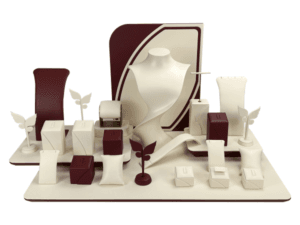
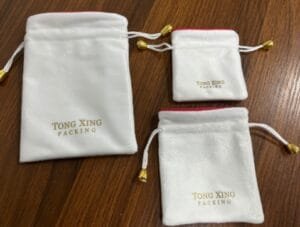
The vintage-inspired effect is strongest when the box is not isolated. Coordinated elements¡ªpaper bags, pouches, displays, trays, and inserts¡ªmake the brand feel intentional at every moment: checkout, gifting, storage, and display. This is where working with a one-stop supplier reduces mismatched textures and inconsistent logos across items.
Relevant supplier capabilities (as stated on the referenced site content)
Tongxing describes: strict material selection and multi-step inspections, custom design from logo to structure, rapid sampling support for colors/textures/inserts and special printing techniques, and reliable lead times via in-house capacity. For global programs, those capabilities map directly to the points most brands struggle with¡ªrepeatability, speed to sample, and on-time delivery.
Procurement checklist for a vintage-inspired leather box program
A professional sourcing team typically validates five areas before deposit and production scheduling: material specification, logo application method, insert engineering, closure consistency, and export-safe packing. Working with an experienced Jewelry Box manufacturer reduces guesswork, especially when the brand needs matching color across boxes, bags, and displays.
Sampling and lead time expectations
Based on the provided site content: sample production is typically stated as 5¨C7 business days (complex designs may take longer), and mass production lead time is commonly indicated as 15¨C30 days after sample approval and deposit, depending on quantity and season. For decision-makers, these ranges should be used to build an internal calendar that includes approval rounds, transit time, and buffer for peak seasons.
Quality control: where ¡°vintage¡± becomes credible
Vintage styling fails when quality is inconsistent across batches. Brands should define acceptance standards for color, stitching, printing, and assembly¡ªthen match those standards to a factory workflow that inspects incoming materials, checks critical steps in process, and audits final goods. A factory overview page is often used to validate capacity and process transparency, such as a dedicated Jewelry Box Factory profile that describes production and inspection practices.
Where to place internal links naturally (and why it helps users)
A cluster page should help readers move from inspiration to actionable sourcing steps. For that reason, readers should be able to browse box structures via the Jewelry Box category, understand supplier capabilities via the manufacturer overview, and explore the broader ecosystem of jewelry packaging solutions (displays, pouches, paper bags, inserts) that complete the vintage-inspired experience.
Practical conclusion
Vintage London leather jewelry box appreciation is ultimately appreciation for disciplined design: the box looks quiet, feels intentional, and protects the jewelry consistently. For brands, the most reliable way to achieve that outcome is to treat ¡°vintage¡± as a specification¡ªstructure, wrap material, lining, insert fit, closure feel, and QC criteria¡ªthen confirm every detail through sampling before mass production.
FAQ
What makes a leather jewelry box feel ¡°vintage London¡± rather than just ¡°retro¡±?
The London-vintage impression is typically driven by restraint and build quality: compact, structured proportions; controlled sheen; clean edges; and an interior layout that looks curated rather than decorative. In modern production, this feel is reinforced by premium finishing and consistent closure alignment. When sourcing, brands usually achieve the most convincing result by specifying wrap texture, seam placement, lining material, and insert geometry¡ªthen locking those choices through an approved sample.
Is genuine leather always better than PU for a vintage-inspired jewelry box?
Not always. Genuine leather can deliver authentic tactile cues and potential patina, but high-grade PU often provides superior batch consistency and easier Pantone matching for global reorders. The best choice depends on expected handling, climate exposure, and brand positioning. A sourcing team typically compares swatches, tests logo methods (hot stamping/embossing/UV), and checks storage performance to avoid issues such as coating instability or peeling on lower-grade synthetics.
What specifications should a brand confirm before placing a bulk order?
At minimum, buyers should confirm internal dimensions, insert material and cut tolerances, closure method, logo placement and application method, and packing approach for export transit. It is also advisable to define QC acceptance criteria for color, stitching, printing, and assembly so bulk output matches the approved sample. For programs that include boxes, bags, displays, and pouches, aligning textures and logos across the full set helps the brand deliver a consistent unboxing and retail presentation.
References & further reading
Outbound links below reflect the user-provided SERP reference domains for this topic cluster and the provided company website content excerpt for Tongxing Packing. Specific product pages and retailer/editorial pages vary by region and season.
- Tongxing Packing (provided site content excerpt): Home ¨C Jewelry Packaging Manufacturer: Boxes, Bags & Displays | https://jewelrypackage.com/
- The New York Times (SERP reference domain): https://www.nytimes.com/
- Business Insider (SERP reference domain): https://www.businessinsider.com/
- Retailer and marketplace SERP reference domains (examples): amazon.com, target.com, nordstrom.com, etsy.com, ebay.com, wolf1834.com
- FSC (Forest Stewardship Council) for paper sourcing context (mentioned in the provided company content): https://fsc.org/en