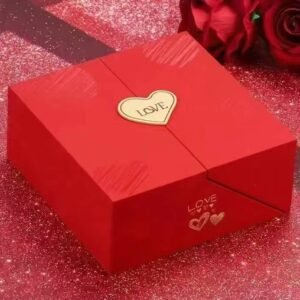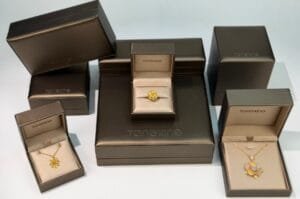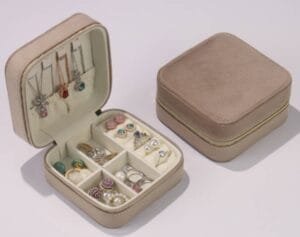
A leather jewelry box represents the industrial synthesis of high-tensile structural protection and tactile luxury, functioning as a critical asset for both travel and long-term archival storage. Unlike rigid timber enclosures, leather-clad units utilize a multi-layered substrate¡ªtypically a reinforced medium-density frame wrapped in premium bovine or synthetic hides¡ªto provide superior impact absorption. For a professional Jewelry Box manufacturer, the selection between full-grain, top-grain, and vegan leather is a technical decision based on breathability and chemical stability. In the global jewelry packaging sector, leather is prized for its ability to house internal anti-tarnish LusterLoc? linings, which neutralize the sulfur gases responsible for metal oxidation. This guide provides a technical breakdown of leather grading, frame construction, and global procurement standards for luxury retail and B2B distribution.
Pillar Content Framework
Material Science: Grading Hide for Jewelry Protection
The longevity of a Jewelry Box is primarily determined by the fibrous density of the leather used. In luxury B2B manufacturing, three distinct tiers of leather are utilized:
- Full-Grain Leather: The highest grade, retaining the natural grain layer. It offers maximum durability and moisture vapor transmission (MVT), allowing the box to equilibrate with ambient humidity without trapping mold-inducing condensation.
- Top-Grain Leather: Sanded to remove imperfections and coated with a finish. While slightly less breathable than full-grain, it provides superior stain resistance¡ªa critical factor for light-colored retail displays.
- Saffiano / Textured Leather: Cross-hatched wax finishes (originally patented by Prada) that are virtually scratch-proof. This is the industrial standard for travel jewelry rolls and high-traffic display cases at any Jewelry Box Factory.
Structural Engineering: Inner Frames and Adhesive Safety
A leather box is only as strong as its core. Professional manufacturers utilize MDF (Medium Density Fiberboard) or molded plastic frames to ensure that the leather wrap remains taut. However, the adhesive selection is where technical quality diverges.
Cheap adhesives can emit formaldehydes and ammonia, which penetrate the lining and cause rapid “green tarnish” on copper-based alloys. Premium B2B standards require the use of water-based, solvent-free adhesives that meet REACH and RoHS certifications. This ensures that the micro-environment within the box remains chemically inert.
| Metric | Genuine Bovine Leather | Premium PU (Vegan) | B2B Advantage |
|---|---|---|---|
| Flexural Strength | Very High | Moderate | Resists corner peeling |
| Chemical Off-gassing | Low (Veg-tanned) | Variable | Protects metal luster |
| Surface Patina | Improves with age | Degrades over time | High resale/heirloom value |
Functional Logistics: Travel Portability vs. Home Security
Leather is the undisputed leader for travel jewelry logistics. Its natural elasticity allows for the creation of compact “rolls” and zippered cases that can withstand the compressive forces of checked luggage.
For home use, large leather chests often feature multi-tier cantilevered trays. The friction coefficient of the leather exterior ensures the box remains stable on vanity surfaces. When sourcing for global markets, retailers prioritize lockable hardware¡ªspecifically zinc-alloy locks with chrome or gold plating¡ªto provide a primary layer of security against casual theft.
Material Durability Index: 10-Year Wear Simulation
*Wear index based on abrasion resistance and structural rigidity retention.
Procurement & Maintenance FAQ
Q1: How do I distinguish between genuine leather and high-quality PU?
A: Perform the water absorption test. Genuine leather is porous and will absorb a tiny droplet of water over 30 seconds, while PU is hydrophobic and the water will bead. Additionally, look for irregular pore patterns; PU exhibits a repeating, perfectly uniform texture.
Q2: What is the best way to clean a white leather jewelry box?
A: Use a pH-balanced leather cleaner. Avoid alcohol-based wipes, as they strip the protective top-coat, leading to premature cracking. For B2B displays, applying a leather conditioner once every six months maintains the hide¡¯s lipid balance.
Q3: Why are some leather boxes more expensive if they use the same hide?
A: The cost is driven by workmanship and hardware. Features like hand-painted edges, French-style stitching, and solid brass quadrant hinges significantly increase the manufacturing man-hours compared to machine-glued budget options.
Q4: Is vegan leather a viable option for a Jewelry Box manufacturer?
A: Yes. Modern microfiber-based vegan leathers offer excellent durability and are increasingly requested by eco-conscious brands. However, they lack the natural breathability and “self-healing” properties of bovine leather.
Article References & SERP Industry Data:
- Chemical Analysis of Leather Tanning and Metal Sensitivity – The New York Times Science
- Abrasion Resistance Standards for Luxury Goods – Business Insider Retail
- Mechanical Properties of Composite Frames in Packaging – Home Depot Professional
- Engineering Anti-Tarnish Environments for Fine Jewelry – WOLF 1834 Engineering Blog